AI NewsInfrastructureReported
Microsoft patched a record 972 vulnerabilities, one reached through SQL Copilot
Microsoft's September patch release fixes a record 972 vulnerabilities, 112 of them critical, including a SQL Server bug reached through SQL Copilot and two Windows zero days.
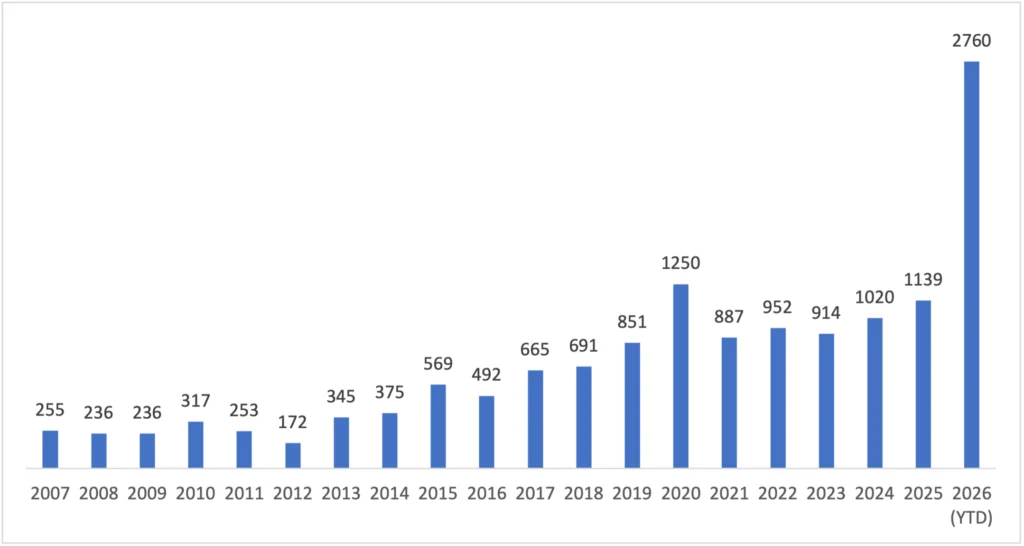
Image: Microsoft, via Ars Technica
Why it mattersAny team that runs Exchange, SharePoint, SQL Server or Remote Desktop is patching against a critical bug this week, and one of them is triggered when a user asks SQL Copilot a question.
Microsoft's September patch release fixes a record 972 vulnerabilities, Ars Technica reports, citing counts by Dustin Childs of the Zero Day Initiative. 112 of them are rated critical, and the remainder are marked important.
The number has been rising for months. Microsoft patched 570 vulnerabilities in July and about 620 in August, both of those also records at the time. Year to date the company has now fixed 2,760 vulnerabilities, more than double the same period last year, and at that pace it will end 2026 having released more fixes than 2023, 2024 and 2025 combined.
Ars links the increase to AI-assisted vulnerability discovery. Two weeks ago OpenAI, Anthropic, Amazon Web Services, Google, Microsoft and about 100 other companies published an open letter warning that the time between when bugs are found and when AI-enabled attackers can use them in attacks is getting shorter. Childs calls the spikes "the new normal" and says active exploitation has not risen to match the discovery rate yet.
Bugs a team is likely to be running
Childs named several vulnerabilities that affect widely deployed Microsoft software. CVE-2026-55007 in Exchange Server lets a remote, unauthenticated attacker execute code by sending an email with a malicious Visio attachment. CVE-2026-69525 is a Remote Desktop Services flaw with a 9.8 severity rating. CVE-2026-69465 covers about 17 separate remote code execution vulnerabilities in SharePoint. CVE-2026-80097 is a local privilege escalation in Microsoft Authenticator that Childs describes as the worst kind, because the bug is in the authentication system itself.
Two zero days are in this release: CVE-2026-81963 in the Windows Update service and CVE-2026-85880 in the Windows Advanced Local Procedure. Ars says there is no public information yet on who is exploiting them or how widely.
The one that is triggered by a Copilot prompt
CVE-2026-65669 is one of 60 SQL Server privilege escalation bugs in this release. What makes it different is the trigger: Ars, citing Childs, says the flaw is exploited when a user submits instructions through SQL Copilot. That is the first entry in a monthly Microsoft release that names a Copilot prompt as the delivery mechanism for a privilege escalation, rather than a crafted file or a network packet. Teams that have connected SQL Copilot to production databases are exposed to that attack path until the patch is applied.
The count itself carries a caveat that Ars states directly. The 972 figure is Childs's count of new Microsoft-issued CVEs, and rises to 997 if the Chromium fixes ported into Edge are included. Some previously addressed bugs and non-Microsoft products are excluded. Different trackers will report different totals for the same release.
Source
- Ars Technica: Why this month's Microsoft patch release is a doozy, by Dan Goodin, 8 September 2026.
- Referenced: Dustin Childs, Zero Day Initiative, September 2026 Patch Tuesday post.
This item was written by an AI system from the linked source. Reveneau is responsible for what it publishes.
Get AI News in your inbox
New developer tools, model and agent releases, and how teams are actually using them to release software. Short, and only when there is something worth reading.


