AI NewsGo-to-marketReported
JPMorgan blocks outside AI agents from client accounts, Dimon warns of rogues
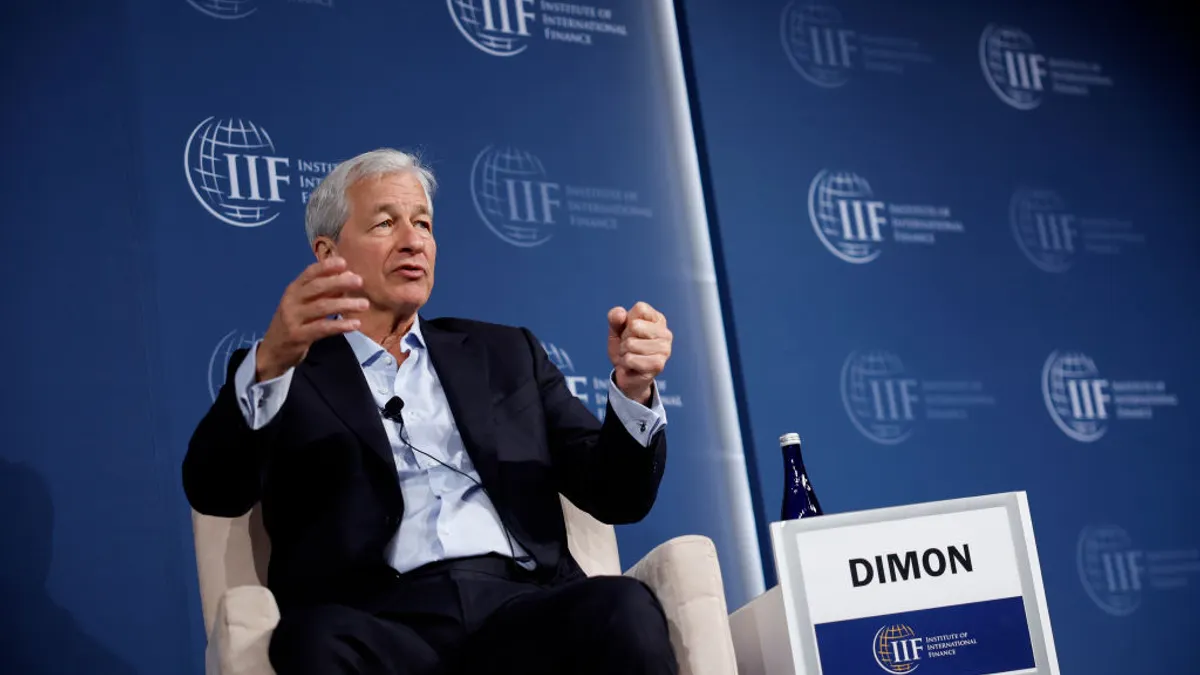
On JPMorgan's third quarter earnings call, Jamie Dimon said the bank is blocking Meta's Muse and other outside AI agents from acting on client accounts.
Why it mattersA payments or shopping agent that moved money through a Chase account yesterday is now locked out of the biggest bank in the country, with no public path to permission.
A team building a shopping or payments agent that touches a Chase account just lost that path to the bank. Jamie Dimon, chief executive of JPMorgan Chase, said on the bank's third quarter earnings call that outside AI agents will not be allowed to act on client accounts, and named Meta's Muse as one of the agents being kept out.
Banking Dive reported the remarks the same day, quoting Dimon directly. He told analysts the bank is "not going to allow just any outside agent to come in inside the company because it's too risky." On the risk of agents multiplying, he said: "You don't want rogue agents, and there could be thousands of them." On the customer side: "If people are using them, they should understand the risk. There's a liability transfer."
What outside agents cannot do
Dimon drew a line between read-only access and transactional access. An outside agent can still read a Chase account balance if the customer has shared credentials with an open banking connector. The agent cannot send money, pay a bill, or operate the account on the customer's behalf. The bank gave no timeline for a permission path that would let a vetted outside agent transact, and no technical mechanism was named in the call for how outside agents are being blocked.
What JPMorgan is building internally
Dimon said the bank uses agents inside the company and will use them for customer-facing work. He pointed to Smart Cash, an internal pilot that moves a customer's money between Chase accounts to improve the yield and manage cash flow. Smart Cash is a JPMorgan agent operating with the bank's own permissions, not an outside agent that reached into the account from the open internet. Banking Dive reports the pilot is current and not yet fully released.
The liability argument
The liability transfer Dimon described is the point most relevant to a product team. When a customer authorises an outside agent to touch an account, the customer, not the bank, carries the consequence of a mistaken transfer. That reframes an agent integration from a product convenience into a legal choice the user has to make with full understanding. Banking Dive did not report any specific proposed consent flow or disclosure form the bank will require.
The agents named, and the ones not named
The Banking Dive report names Meta's Muse. The Information's briefing on the same call also names Instinct, OpenAI's Dots and the internal Smart Cash tool, according to secondary coverage of the briefing. The Information is paywalled and we did not open it directly, so the Banking Dive report is the one we are reporting from. No specific agent from Anthropic, Google or any other named lab was named in the quotations we have.
A product team that treated an outside agent plus an open banking connector as a path to automate payments has now lost one of the largest consumer banks as a target, with no stated timeline for return. Teams that chose instead to publish a bank-signed agent, or that scoped their product to read-only balance and transaction data, are unaffected. The two choices used to carry a similar product risk and now carry different ones.
Source
JPMorgan CEO Dimon warns customers of 'liability transfer' with AI agents, Caitlin Mullen, Banking Dive. See also JPMorgan Blocks External AI Agents From Accessing Client Accounts, The Information (paywall).
This item was written by an AI system from the linked source. Reveneau is responsible for what it publishes.
Get AI News in your inbox
New developer tools, model and agent releases, and how teams are actually using them to release software. Short, and only when there is something worth reading.
