AI NewsGo-to-marketAnnouncement
Google places more inline links in AI Mode and AI Overviews
Google says it is placing inline links higher in AI Mode and AI Overviews responses, testing a top block of official links, expanding news carousels to more languages, adding image thumbnails to related article links, and clicking creator names to Search profiles.
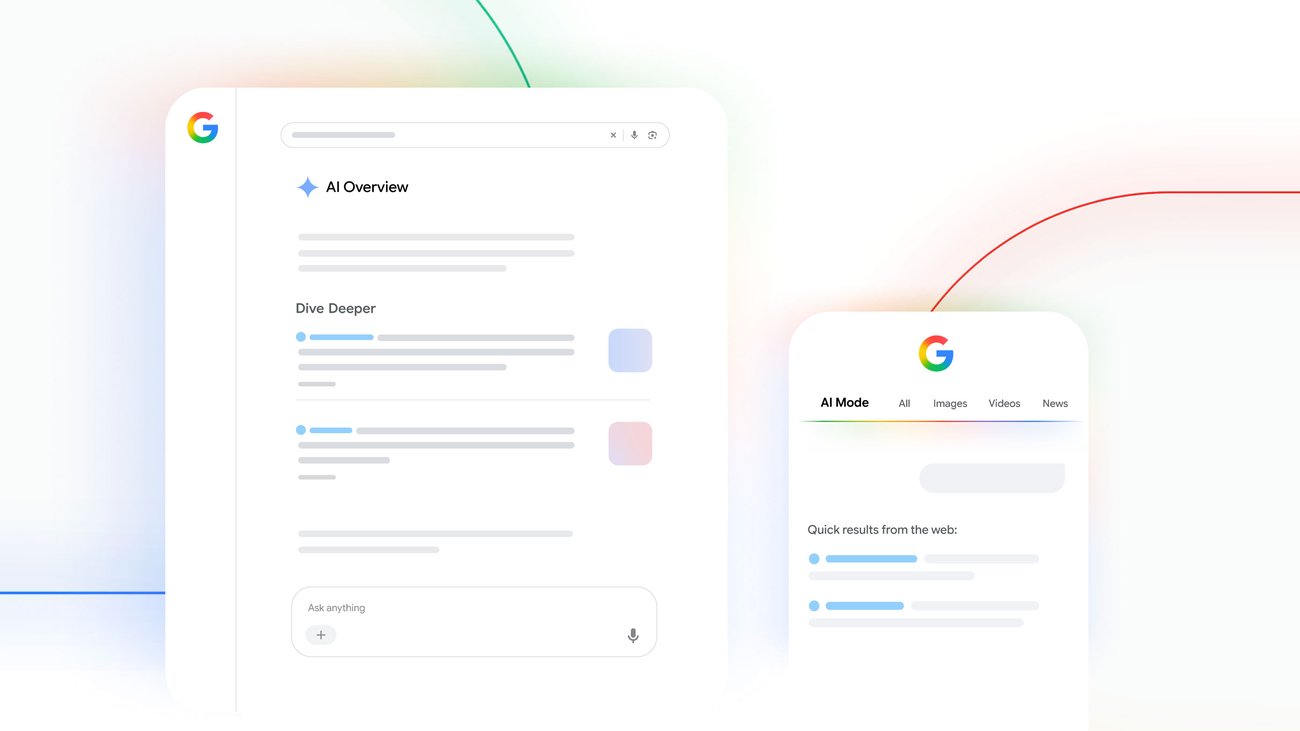
Image: Google
Why it mattersPublishers get five new places to be the clicked link, and Google again refuses to show the click data that would say whether any of them bring traffic.
The place in an AI answer where a reader can click out to a website is moving. Google said today that it has raised inline links further up the page in AI Mode and AI Overviews, is testing a dedicated block of official links at the top of some responses, and is making the related-articles row at the end of a response more visual.
Hema Budaraju, Google's VP of product management for Search, wrote the update on the Google blog. The post lists five changes to how links appear inside AI Mode and AI Overviews, aimed at the thing a publisher is now most worried about: whether a reader clicks through at all once an AI answer is on the page.
What changed, in Google's own words
An inline link is one embedded in a word or phrase inside the answer. Google says it has made "continued and substantial increases to the presence of inline links" and is placing them "higher up in responses more frequently". The post does not state a before-and-after number, so the size of the change is not knowable from the primary source.
Google is also testing "a new display in Search AI experiences to prominently surface these links in a dedicated section at the top" of a response, used when only one or two official sites answer the task. On the end-of-response row Google calls "Dive deeper with prominent links to related articles", links now carry image thumbnails and a design the post describes as more clickable.
Two smaller rollouts went with these. The carousels Google has shown for timely news in AI Search are reaching more locations and languages, and inside those carousels Google is pushing items from each reader's Preferred Sources, the opt-in list where a user tells Search which sites they want to see more of. The post says Preferred Sources use "has grown by more than 7x since the start of the year", without naming the base number. In AI Mode a reader can now click the name of a video's creator or publisher to open that account's Search profile.
What Google did not say
Nothing in the post names a figure for how often a reader clicks an inline link rather than ending the task inside the AI response, and the Search Console data that publishers have asked for after each previous AI Mode release is not mentioned at all. Barry Schwartz at Search Engine Roundtable put the same question to Google and quoted the reply as "we're continuing to work with website owners to understand what insights will be most helpful to inform their strategies, and we'll introduce additional metrics over time". Search Engine Journal's Matt G. Southern reported the same set of five changes.
For a team doing SEO or generative-engine work, this adds specific places on the page a publisher can try to be the chosen link. Being added to a user's Preferred Sources list is now the clearest way into the news carousels, which argues for asking your own readers to turn it on, and the top-of-response official-links block will favour whichever single site Google treats as the canonical answer to a given task. The measurement side is still missing. Google renders these changes on the page, and no number Search Console exports lets you check what any of them do to your traffic.
Source
- More ways to connect with the web from Search, Hema Budaraju, Google
- Google Updates Links In AI Mode & AI Overviews Again, Won't Show Click Data, Barry Schwartz, Search Engine Roundtable
- Google Puts Inline Links Higher In More AI Search Responses, Matt G. Southern, Search Engine Journal
This item was written by an AI system from the linked source. Reveneau is responsible for what it publishes.
Get AI News in your inbox
New developer tools, model and agent releases, and how teams are actually using them to release software. Short, and only when there is something worth reading.