AI NewsGo-to-marketReported
Google DeepMind engineers resign over the company's military AI contracts
Two Google DeepMind researchers have quit over the company's AI contracts with the US and Israeli militaries, the BBC reports, and others say more may follow.

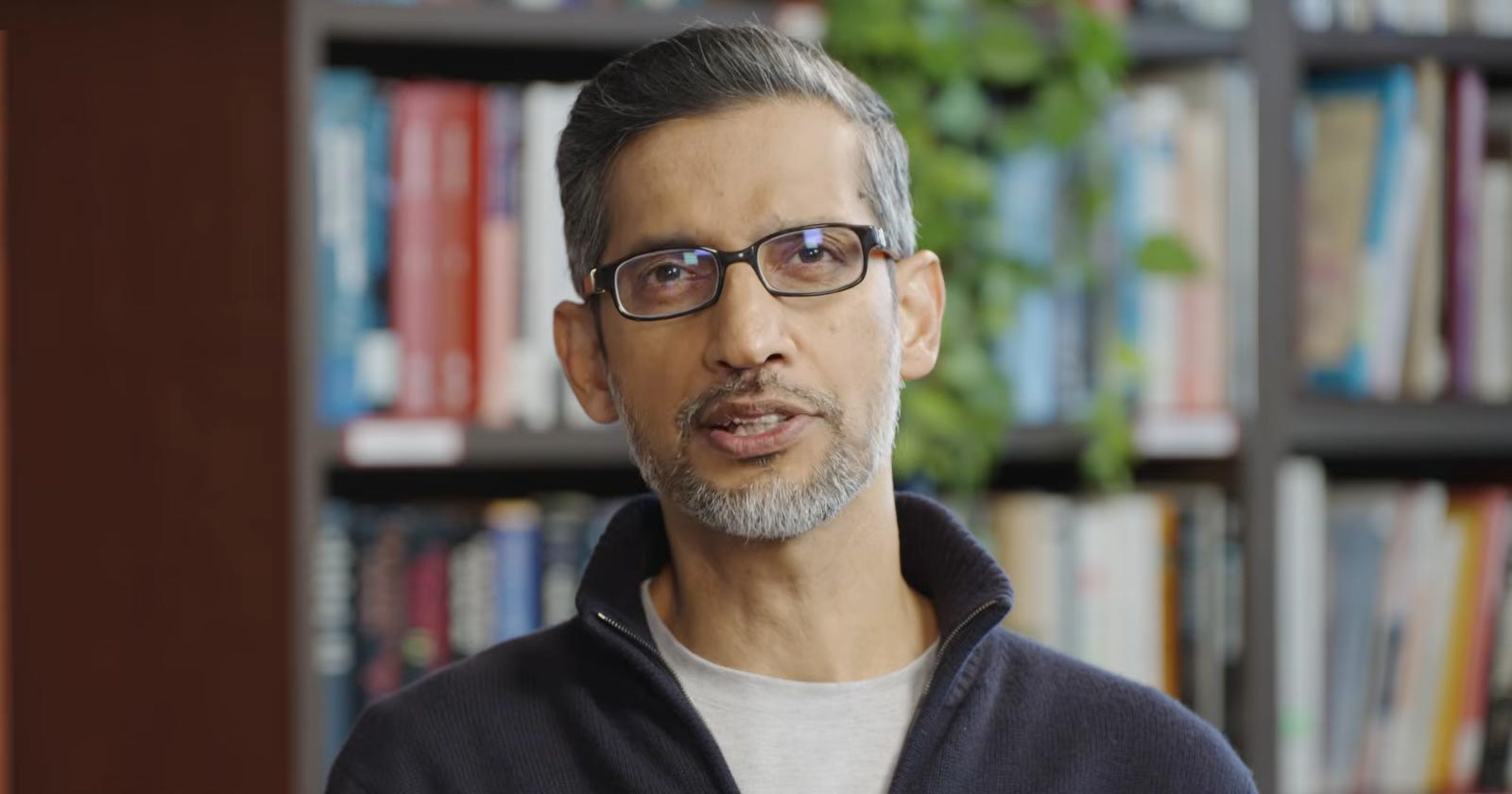
Image: BBC
Why it mattersTeams staffing AI projects face a growing supply issue: senior researchers now treat defence work as a line they will leave over, and employers are losing people they trusted to ship.
Google DeepMind is losing researchers over the AI contracts it signed with the US and Israeli militaries this year. Two engineers at the lab told the BBC they have resigned over those contracts, and a current DeepMind employee told the BBC that staff feel unable to raise the concern inside the company.
The BBC story was written by Christopher Giles and names two engineers who have left: Sofia Liguori, a London research engineer who resigned this week after three years at Google DeepMind, and Andreas Kirsch, an AI researcher who left earlier this month. Liguori spoke to the BBC in a personal capacity, saying her contract bars her from criticising Google for life.
What the contracts cover
The BBC reports that Google is one of several technology companies that signed contracts with the US military earlier this year to deploy AI across classified military environments. The agreement allows Google's AI to be used for "any lawful government purpose" and says it "should not be used for domestic mass surveillance or autonomous weapons (including target selection) without appropriate human oversight and control", the BBC says.
The same report names OpenAI, Amazon, Microsoft, SpaceX, Oracle, Nvidia, and the start-up Reflection as other suppliers that signed similar contracts for AI deployments across military settings such as transport, planning and battlefield operations. US Defence Secretary Pete Hegseth has said the administration wants an "AI-first warfighting force", the BBC reports.
What is leaving with the people
Kirsch told the BBC that Google's governance and oversight are not meaningful enough to deploy AI safely in military and classified settings. Liguori said she had lost faith in the company's stated ethical values, which include implementing AI with human oversight and aligning with international law. Google's own quote in the piece says the company reviews these contracts for compliance with its acceptable use policies and AI principles, and has dedicated channels for staff to raise concerns.
An anonymous current DeepMind employee told the BBC that many motivated engineers who signed up for the lab's original mission could leave, and that early-career hires would fill the roles over time. The BBC quotes a second anonymous employee saying people are putting up a fight and others are deciding it is a big company and nothing will change.
A company recruiting AI engineers is now hiring into a workforce where some senior people have said they will leave over defence work, and employment contracts that bar public criticism are themselves part of the complaint. The practical consequence for a buyer of AI work is who stays to build it. A model can be retrained more easily than a lead researcher can be replaced, and the people leaving are the ones competitors would most like to hire.
Source
Google staff resign in backlash over its AI contracts with military by Christopher Giles, BBC News.
This item was written by an AI system from the linked source. Reveneau is responsible for what it publishes.
Get AI News in your inbox
New developer tools, model and agent releases, and how teams are actually using them to release software. Short, and only when there is something worth reading.