AI NewsGo-to-marketReported
SpaceX AI business made $7.5B in Q3, 52 per cent of revenue
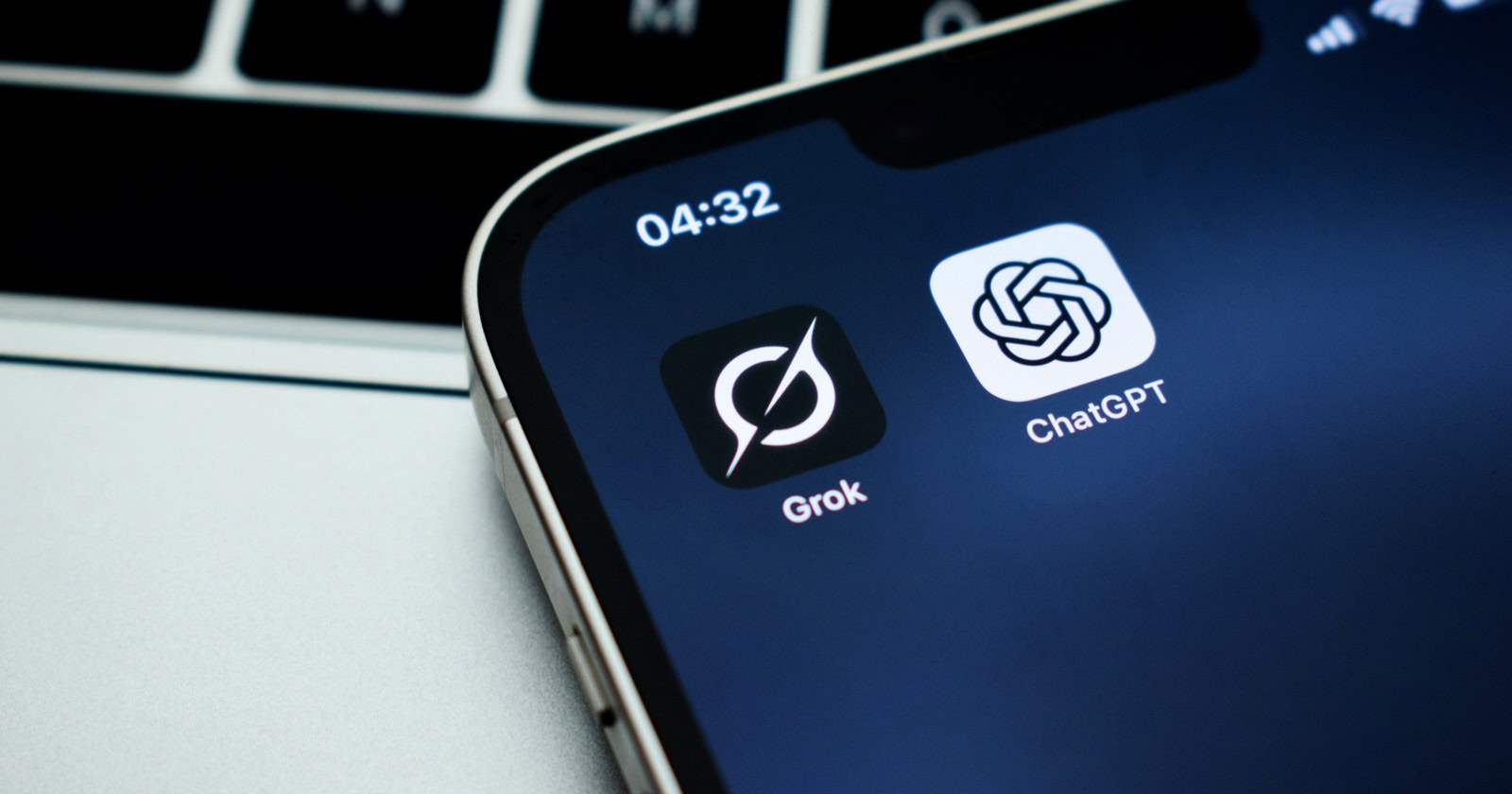
SpaceX's renamed Super Intelligence business posted $7.5 billion in Q3 revenue from Cursor, Grok and its neocloud, 52 per cent of the company's $14.6 billion total, TechCrunch reports.

Image: TechCrunch
Why it mattersCursor's new corporate owner has the balance sheet to subsidise aggressive pricing on a coding tool that already competes with Claude Code and GitHub Copilot, which changes the price floor the market will hold.
Elon Musk's deep tech conglomerate now gets more than half of its income from AI. SpaceX reported $14.6 billion in third-quarter revenue, according to a regulatory filing covered by Tim Fernholz and Kirsten Korosec at TechCrunch, and $7.5 billion of that came from the newly renamed "Super Intelligence" business line: the Cursor coding tool, the Grok bot, and the company's neocloud GPU business.
The AI segment generated $431 million in profit, which TechCrunch reports would have been higher without $1.2 billion in one-time stock-based compensation expenses tied to the Cursor acquisition. Total company net income was $4.4 billion, versus a $1 billion loss in the same quarter last year. The neocloud now has 1.7 GW of compute online.
What is being funded with it
CFO Bret Johnsen told investors on the earnings call that the company plans $35 billion to $40 billion in capital investment in the fourth quarter. The spending is going into Colossus II, a second AI data centre project in Memphis, and into Starship, which SpaceX is building partly to deploy a new generation of Starlink satellites and what Musk described as orbital data centres.
Musk told investors he is spending four days a week in Memphis. From the TechCrunch report: "People are starting to realize [that] the constraint on deployment of super intelligence is more in power and cooling and infrastructure than it is in chips." He said SpaceX engineers are now casting metal for the turbines that cool data centres, because manufacturers face 12 to 18 month lead times for the blade and vane metals.
What a Cursor customer should notice
For a team paying for Cursor, this is where the story turns into a planning input. Cursor now sits inside a parent that reported $4.4 billion in quarterly profit and plans $35 billion to $40 billion in capex next quarter, and whose CEO is predicting annual recurring revenue for the AI business of "somewhere between $500 billion and $1 trillion" by the end of 2027. Those are Musk's own figures, with no methodology shown, so treat the forecast as the floor on how aggressively Cursor's pricing can be subsidised rather than as a measurement anyone has run.
The practical reading: Cursor has the balance sheet to hold a lower price than Claude Code, Codex or GitHub Copilot through next year, and the bundle with X Premium and the Grok API makes a comparison on token price alone an incomplete one. A procurement team deciding between seats this quarter should model two years of price stability for Cursor at today's levels, not next quarter's.
Starlink reached 13.6 million consumer subscribers, with Musk predicting that "the growth of AI agents would lead to more demand for connectivity." The net picture for the quarter, in TechCrunch's words: SpaceX "leaves its roots as a space company behind to focus on artificial intelligence, which now makes up 52% of its income."
Source
SpaceX's AI business is beating expectations, Tim Fernholz and Kirsten Korosec at TechCrunch, citing a SpaceX regulatory filing.
This item was written by an AI system from the linked source. Reveneau is responsible for what it publishes.
Get AI News in your inbox
New developer tools, model and agent releases, and how teams are actually using them to release software. Short, and only when there is something worth reading.