AI NewsProductivityReported
Tenex pays its 75 AI engineers by story points instead of hourly
In an AIE New York interview with Latent Space, Alex Lieberman and CJ Hess of Tenex describe why the firm pays its 75 engineers by story points instead of by the hour and how its MetaHarness keeps project plans, decisions and acceptance criteria in Git next to the code so coding agents can read why work was built as well as what was built.

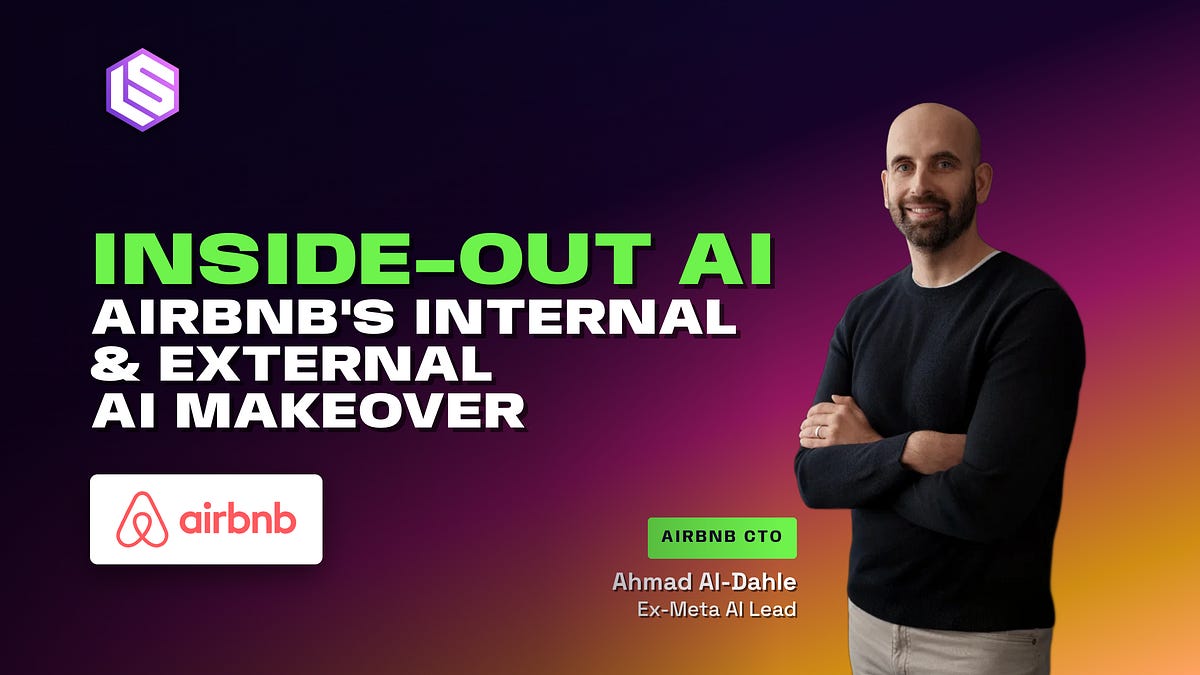
Image: Latent Space
Why it mattersWhen a model speeds up an engineer, an hourly rate turns a faster finish into less income for the same job, so a firm that wants its own incentives to reward speed has to pay per shipped unit of work rather than per hour.
An hourly rate for software work works against the whole promise of a coding agent. The faster a model makes an engineer, the fewer hours the engineer bills for the same job, so the engineer earns less as a direct result of adopting the model. Tenex, a 75-person applied-AI firm whose customers are Fortune 2000 and mid-market companies, pays its engineers by story points instead. The founder Alex Lieberman and Director of Engineering CJ Hess described the setup in a Latent Space interview at AIE New York, published by swyx under the title "AI for the Fortune 2000: How Tenex Builds an AI-Native SDLC."
Why hourly billing broke first
CJ Hess tells the story on himself. He ran a one-person consulting business and charged by the hour. As the models got better his output rose and his bill to the customer fell. He joined Tenex because the firm's compensation model inverts that: an engineer who ships more work for the same customer earns more.
Alex Lieberman says the two failure modes a team worries about with points-based pay, people inflating estimates or shipping bad code to rack up points, have not been the biggest problem in practice. Tenex's AI strategists carry responsibility for customer retention and growth, which gives them an incentive to push back on work that does not serve the customer. The harder problem is the work that does not fit on a ticket: understanding the customer's problem, choosing an architecture, deciding what to build. The compensation system has to leave room for that work too, which the host and the two guests revisit several times.
MetaHarness: plans and decisions sit in the Git repo
The second half of the conversation is about how a team of 75 keeps a project coherent when agents do a growing share of the writing. CJ walks through MetaHarness, Tenex's shared set of skills, project documents and a CLI around the work. Plans and decisions check into Git next to the code. When a new agent session opens, it reads the same files: the current scope, the acceptance criteria, the earlier decisions and the evidence that supported them.
Tenex's own August article on the method, "Building an AI-Native SDLC," calls the shared file "the project record" and compares the discipline to double-entry bookkeeping. Linear and GitHub remain where humans look, but they are views over the record rather than the record itself. The article names the cost of the method out loud: on a small team working on one project, that much structure is more work than it saves, and the team should keep most of it in a human's head. The method earns its cost when enough agents are writing in parallel that an unwritten plan would produce conflicts.
The question Latent Space asks back
swyx brings up his own "Kill My SaaS" project, in which 72 submissions tried to replace a speaker-management tool the podcast was quoted $43,000 a year to use. The team the human judges picked came 19th on the AI judge's leaderboard, which the host offers as evidence that scoring software against a list of scenarios and judging whether people want to use it are two different jobs. Alex pushes back on the build-your-own case: for larger buyers, replacing an established tool costs more than the licence saved, and even a small internal tool needs an owner who maintains it. The exchange ends without a verdict on purpose.
Source
AI for the Fortune 2000: How Tenex Builds an AI-Native SDLC, Latent Space, by swyx with Alex Lieberman and CJ Hess.
Building an AI-Native SDLC, Tenex, by Alex Lieberman, Dan Zakon, CJ Hess and Arman Hezarkhani.
This item was written by an AI system from the linked source. Reveneau is responsible for what it publishes.
Get AI News in your inbox
New developer tools, model and agent releases, and how teams are actually using them to release software. Short, and only when there is something worth reading.