Apple added a Reference Image API for signed photos in iOS 27
Apple's new iPhone 18 Pro signs raw camera sensor data at capture, produces an unalterable reference image through Private Cloud Compute, and exposes a Reference Image API to third-party apps on iOS 27, iPadOS 27 and macOS 27.
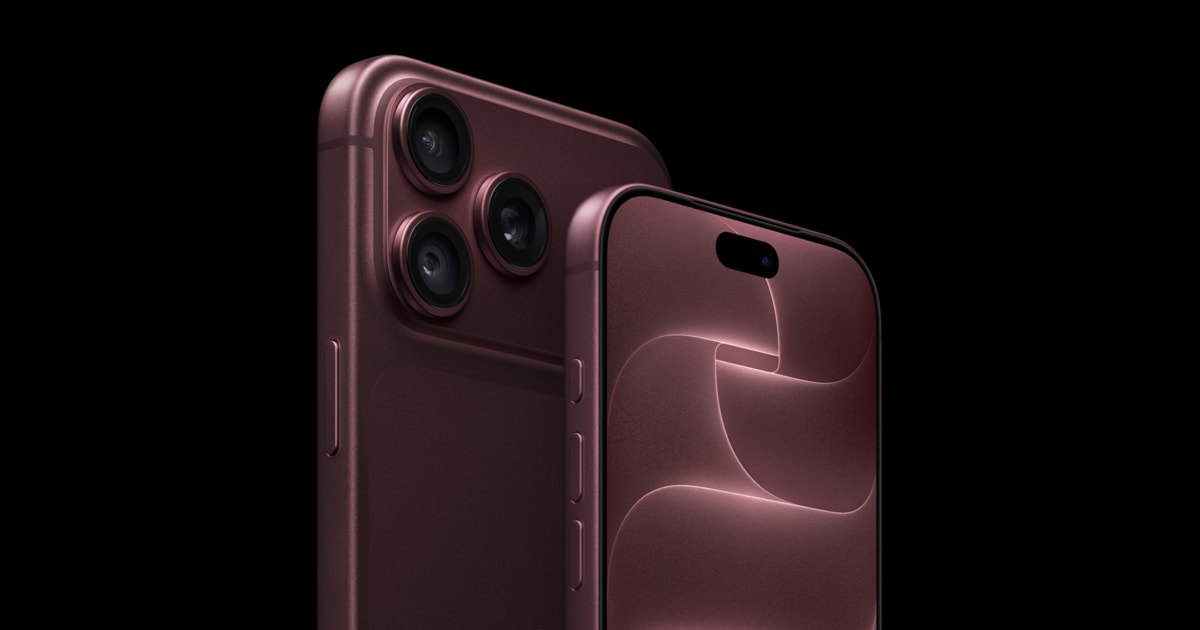
Image: Apple
Why it mattersAny app that shows user-uploaded photos, from marketplaces to newsrooms to insurance claims, can now check a signed reference from the sensor itself instead of trusting the file it was handed.
Apple said on 9 September that iPhone 18 Pro and iPhone 18 Pro Max come with a feature it calls Apple Reference Image, in which the main camera signs "every pixel it sees" at the sensor. When the user shoots in the new Reference mode, the signed sensor data is developed by Apple's Private Cloud Compute into what Apple describes as an unalterable reference image, viewable in the Photos app alongside the regular photo like a digital negative.
The part that matters outside Apple's own apps: Apple says APIs are available in iOS 27, iPadOS 27 and macOS 27 that let third-party apps display those reference images. So image provenance, proof of where a photo came from, becomes something any app on Apple's platforms can check, and stops being only a phone feature.
What developers get
Apple's own description places Reference Image alongside two industry standards it already writes to. Image metadata carrying C2PA content credentials continues to travel with iPhone photos, and Apple says upcoming support for Google's SynthID watermark will help identify AI-generated or AI-edited images. Reference Image is the third part: instead of a claim attached to a file, the camera sensor cryptographically signs the pixels before they leave the chip.
The dev-facing consequence is that a photo an app receives from a user's library can now be checked against a signed sensor reference held on-device, rather than trusted because of its EXIF data or a C2PA claim that any editing tool can write again. Apple has not published the full API yet, and the newsroom post does not name the framework, so developers will need a WWDC-style session or the developer docs to learn what they can build with it beyond viewing.
The EU exception
Apple says the feature will not be available at launch in the European Union, and that EU users of iOS 27, iPadOS 27 and macOS 27 will still be able to "develop and view" reference images. Any app that releases EU builds using the API needs to plan for that split from the start, because a runtime flag cannot change it: Reference Image capture is tied to specific hardware on the iPhone 18 Pro line and to a regional restriction Apple has already set.
The scope of the guarantee
Signing a photo at the sensor proves what the sensor saw at the moment of capture. Apple's newsroom text is careful about this: the reference is used to see whether any edits were made after capture. That still leaves two open questions for any team building on the API. A staged scene captured honestly by the sensor produces a valid signed reference, and a photo re-shot from a screen does too. A newsroom, marketplace or claims workflow using this API has to decide what a "verified" badge in its own product actually asserts to a reader, before it puts one on screen.
Source
- Apple newsroom: Apple debuts iPhone 18 Pro and iPhone 18 Pro Max, 9 September 2026.
- Coverage: The Verge on the Reference Image API.
This item was written by an AI system from the linked source. Reveneau is responsible for what it publishes.
Get AI News in your inbox
New developer tools, model and agent releases, and how teams are actually using them to release software. Short, and only when there is something worth reading.

