AI NewsOpen sourceAnnouncement
ArtCraft released PhotoCraft 0.1.1, an open-source Photoshop alternative written in Rust
ArtCraft, run by the open-source team at storyteller.ai, released a seven-app Rust rewrite of Adobe Creative Cloud, with PhotoCraft and PrintCraft now in early alpha with installers for macOS, Windows and Linux.
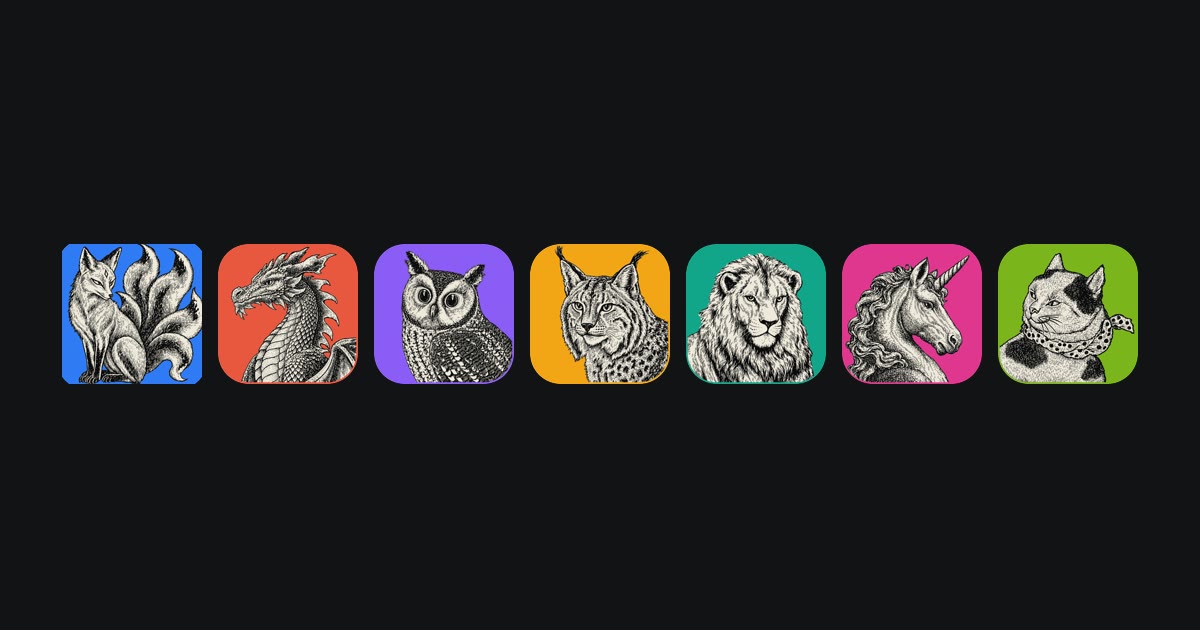
Image: ArtCraft
Why it mattersA free, open-source, native-Rust Photoshop that claims byte-for-byte round-trip of layered PSD files removes the file-format lock-in that keeps most teams on an Adobe subscription.
Opening a layered PSD file still keeps most designers on Adobe Photoshop, because almost no other editor saves the layers back out intact. A new open-source project called PhotoCraft, written entirely in Rust, now claims to round-trip 134 of 135 real-world PSD and PSB test files byte for byte, and it shipped a free alpha installer this weekend.
PhotoCraft is one of seven apps in a suite called ArtCraft, launched by the storyteller.ai open-source team at storytold on GitHub. The lineup also covers vector illustration (VectorCraft), video editing (FilmCraft), a photo library and raw developer (LightCraft), a PDF workbench (PrintCraft), motion graphics (EffectCraft) and page layout (DesignCraft). Only PhotoCraft and PrintCraft have alpha installers ready; the other five are in development. The ArtCraft landing page describes the whole set as a direct, familiar replacement for Adobe Creative Cloud, with Apache-2.0 licensed source on GitHub.
What ships today
PhotoCraft 0.1.1-rc.4 is the version a user can download now, for macOS, Windows and Linux, and the ArtCraft site also has a web build that runs in a browser. The feature list on the project page covers 16 adjustment layers, more than 70 live-preview filters, smart objects with smart filters, a full set of layer styles, and 8-, 16- and 32-bit documents in RGB, CMYK, Lab and Grayscale with ICC colour management. The canvas renders natively on Metal, Vulkan, DirectX 12 and WebGPU rather than through Electron. Subject and object selection and mask refinement run on the user's own device, which the project calls out directly against the cloud round-trips most AI-powered editors require.
The storytold/photocraft repository was created on 30 September 2026 and reached 978 stars by 5 October, with Apache-2.0 as the licence. The GitHub organisation itself has existed since January 2021.
The business model, stated plainly
ArtCraft is free and open source and will stay that way, and the project adds that the apps can be used without paying anything. The optional subscriptions, which start at $8 a month on the annual plan and rise to $48 for teams, buy generation credits for third-party image and video models (Nano Banana, Nano Banana Pro, GPT-Image-1.5, Seedance 2.0 and Kling 3.0 Pro). ArtCraft says the subscriptions help fund development; users who bring their own compute or model subscriptions do not need one.
Every Crafting App is also, in ArtCraft's own words, "agent-ready": each one can be driven from a CLI, a JSON control channel or an MCP server. That makes PhotoCraft one of the first non-trivial creative apps built to be a tool an AI agent can call, which matters more as coding and creative agents move into image and video work.
The project is early. Both finished apps carry an alpha label, five of the seven have no installer yet, and a single PSD round-trip test does not cover every file in the wild. For a team paying $35 a month for a Creative Cloud single-app plan or $90 for the full suite, the choice today is between a working-but-rough free alternative and the hope of feature parity later, and the file-format round-trip claim is the first number worth checking before any switch.
Source
Primary source: ArtCraft Crafting Apps, with the PhotoCraft page and the pricing page. Repository: storytold/photocraft, Apache-2.0. Discussion: Show HN, 59 points, 62 comments.
This item was written by an AI system from the linked source. Reveneau is responsible for what it publishes.
Get AI News in your inbox
New developer tools, model and agent releases, and how teams are actually using them to release software. Short, and only when there is something worth reading.