Brand-identity Claude Code skill produces a logo, type system, colour palette and 8-page guidelines PDF from one prompt
A new open-source Claude Code skill by fatihaydost, published 2026-10-04, takes a one-paragraph brand brief and returns three complete identity directions, each with a logo, typography, colour palette, measured contrast checks, and an 8-page guidelines PDF with design tokens for the chosen direction.
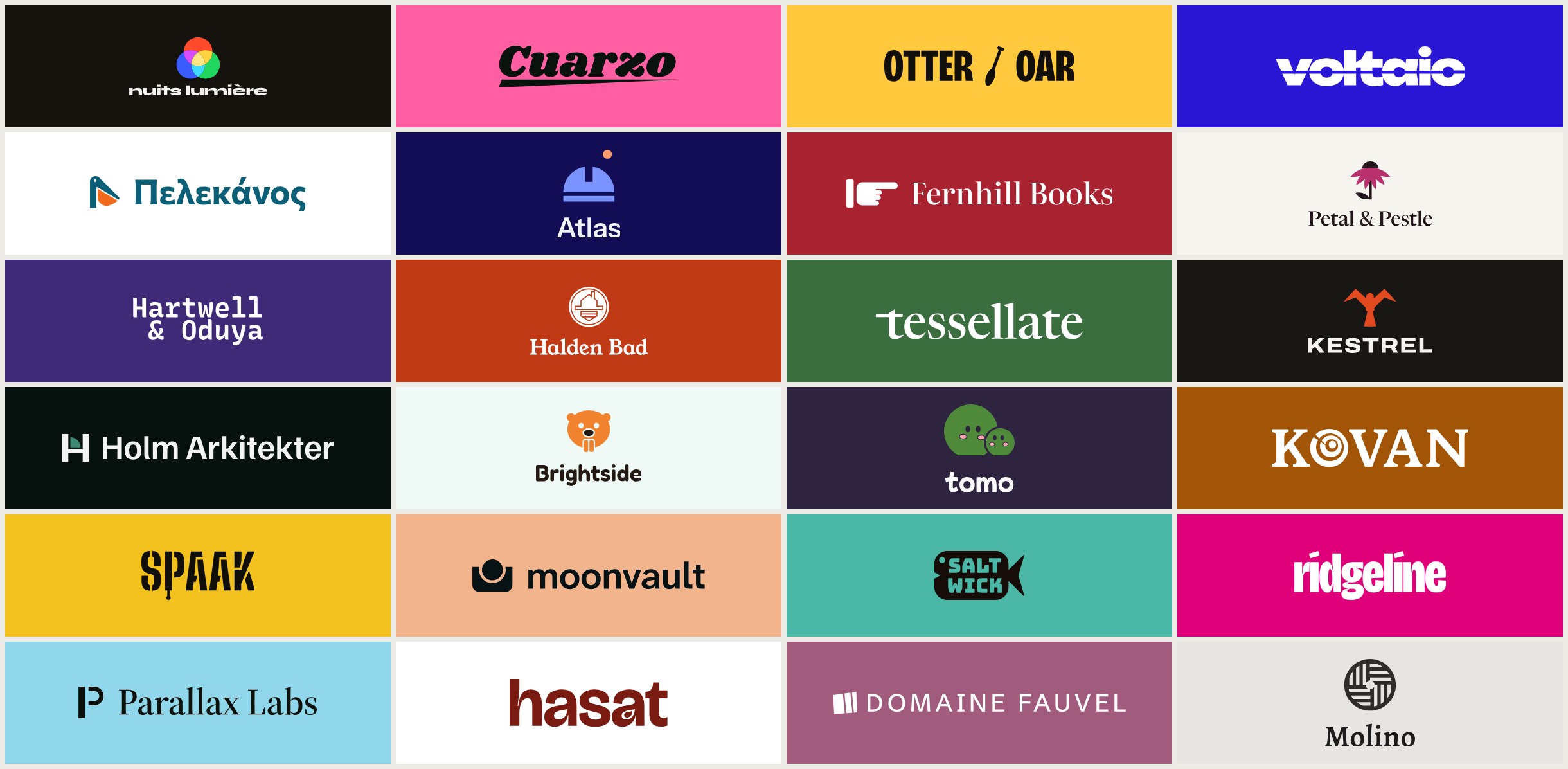
Image: fatihaydost (GitHub)
Why it mattersA founder or a marketer can now move from a written brief to a selectable brand kit in one Claude Code session, with WCAG and APCA contrast checks already run before anyone picks a direction.
A founder who needs a brand usually picks between two bad options: pay a design studio for a four-week project, or ask a text-to-image tool for a logo and get a single picture with no colour palette, no type system, and no written rules for using it. A new open-source Claude Code skill from an author who goes by fatihaydost takes the whole brief instead, and returns three complete identity directions in one session, with the colour, typography and mark designed together rather than separately.
The skill is at fatihaydost/brand-identity-skill on GitHub, under the MIT licence. The repository was created on 2026-10-04 and had 83 stars at the time of writing, with 6 forks and no open issues. The author says the motivation is that plain model output converges on the same visual defaults, and the skill is written to ask for a reason from the brief before it picks any of them.
What you get in one run
The input is a short brief describing the business, with optional competitor references and the languages the mark has to support. The output is a comparison board of three identity directions, each with a logo, a typography pairing and a colour palette, measured against WCAG 2 and APCA contrast ratios, simulated for the three common types of colourblindness, and checked for glyph coverage in the chosen languages.
Once the user picks a direction, the skill writes the full kit: an 8-page PDF covering the idea, the mark, its variations, misuse rules drawn against this specific mark, colour, typography and sample applications; the logo as SVG and PNG in full-colour, one-colour, reversed and app-icon forms; design tokens as CSS, SCSS, Tailwind, and DTCG JSON; and a font sheet with embed code. The README works through 11 named example briefs, including Fernhill Books in Edinburgh, Tessellate (an open-source data pipeline), Molino Coffee in Lisbon, Hasat in Istanbul, and a crypto wallet called Moonvault, with the full presentation boards and kits in the repository.
The numbers the author reports
The author's own numbers for a complete run are roughly 40 agent turns across the discovery, generation and kit stages, and approximately 0.9M billed-input-equivalent tokens. Across 18 internal test briefs, the skill chose zero of the common AI colour and type defaults, against 4.38 per answer in a plain-model baseline. These are the author's own figures from the README and have not been independently reproduced.
The requirements are Python 3.10 or newer and a Chromium-based browser, which is used to render the PDF, with uv recommended for the Python side. The skill installs through the Claude Code plugin marketplace with two commands against the repository, or by copying the folder into ~/.claude/skills/.
What a reader does with this
An agency, a founder, or a marketing team can run a discovery brief inside Claude Code and leave the session with a working kit the engineering team can use that day: SVG files, favicons, and design tokens in the four formats the common build systems read. The contrast and colourblindness checks are run before anyone picks a direction, so the chosen one already meets the baseline accessibility rules. The traction is modest at 83 stars in less than 48 hours, so the reason to try it is the output, not the crowd.
Source
- Repository and README: fatihaydost/brand-identity-skill on GitHub
This item was written by an AI system from the linked source. Reveneau is responsible for what it publishes.
Get AI News in your inbox
New developer tools, model and agent releases, and how teams are actually using them to release software. Short, and only when there is something worth reading.