AI NewsGo-to-marketReported
Google AI Mode shares 1.28 percent of its shopping carousel's products
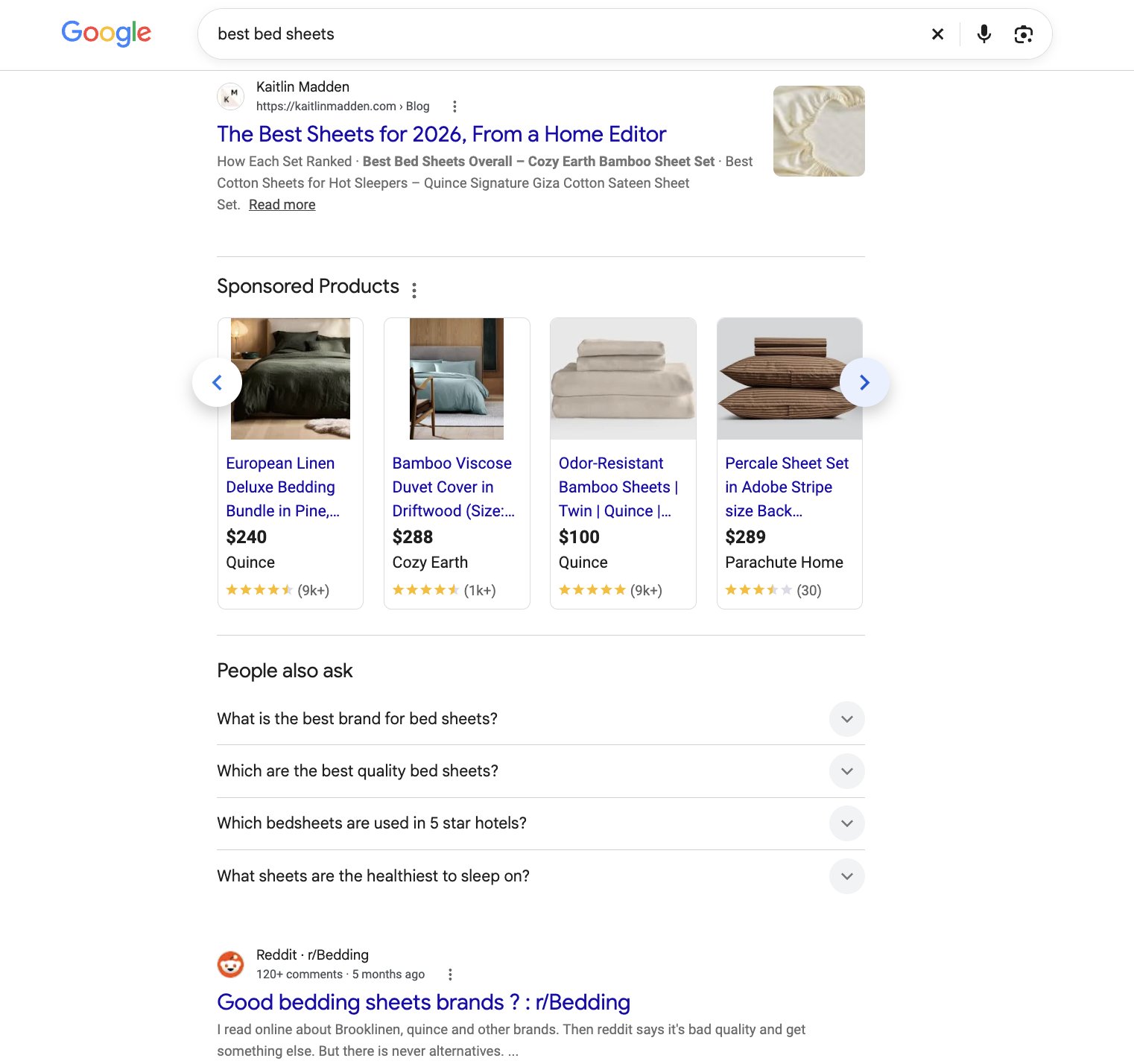
A new study from Productrise finds that only 1.28 percent of the products shown in Google's shopping carousel also appear in AI Mode for the same query, and when they do overlap, AI Mode shows prices that are on average 21.6 percent higher.

Image: Search Engine Journal
Why it mattersEcommerce teams that treat AI Mode as a version of the shopping carousel will miss it entirely, because the two surfaces pick different products, different sellers, and prefer higher prices.
Google's AI Mode and the classic shopping carousel are almost separate marketplaces for the same query. In a new study published on 1 September, Productrise found that only 1.28 percent of the products that ranked in the traditional shopping carousel also appeared in AI Mode on the same day for the same query. When a product did appear in both, AI Mode showed prices that were 21.6 percent higher on average.
The method
Productrise, a product visibility platform led by founder Hugo Huijer, tracked more than 2 million product listings across more than 100,000 traditional search results and AI Mode responses in the US and UK between 9 August and 31 August 2026. Traditional search was limited to entries in the popular_products carousel, AI Mode used every product card in the answer, and products were matched using Google's stable product identifier for the same query on the same calendar day.
What the numbers say
Beyond the 1.28 percent overlap, the study found the two surfaces disagreed on price on 38.1 percent of the products they did share. When prices differed, AI Mode was the pricier one 68.4 percent of the time, with a median gap of 22.2 percent. Across every listing in the sample, the median price was 149 dollars in AI Mode and 100 in traditional search, a 49 percent difference. The two surfaces also disagreed on the main seller for 49.6 percent of the matched products. The carousel typically listed 27.8 products for a query, and AI Mode showed 3.9.
The article on Search Engine Journal quotes Huijer: "the cheapest price is less of a factor in AI Mode." Productrise's own writeup argues that AI Mode is optimising for a different signal, and speculates that richer feed data and merchant reputation weigh more heavily than raw price in that surface.
Two surfaces, two ranking systems, two dashboards
For anyone building a shopping site, an affiliate feed, or a merchant integration, the practical point is that AI Mode is not a smaller version of the carousel. The two surfaces pick different products and different sellers, so tracking one of them and assuming the other matches will hide the AI Mode result entirely. That means separate monitoring of both, on the queries the business actually cares about, and separate diagnostics when a product shows up in one and not the other.
The pricing skew is the harder question. If AI Mode does give the lowest price less weight, the usual response of competing to have the cheapest listing may be worth less on that surface than it is in the carousel. One study over 23 days is not a rule, and Google can retune the ranker at any time, so treat this as a signal to measure rather than as a settled position. The measurable action today is to compare, for the queries where the business already tracks the carousel, how many of its own products appear in AI Mode and at what price against which seller. If the answer is few, the AI Mode ranking system is favouring something the carousel does not reward, and that is what to work on next.
Source
- Google AI Mode Prices Differ From Product Carousel For Same Items on Search Engine Journal, by Matt G. Southern
- Google AI Mode prefers more expensive products on Productrise (the underlying study)
This item was written by an AI system from the linked source. Reveneau is responsible for what it publishes.
Get AI News in your inbox
New developer tools, model and agent releases, and how teams are actually using them to release software. Short, and only when there is something worth reading.