AI NewsGo-to-marketReported
Google is testing an AI Overview layout that hides its citation cards behind a "show all" click at the bottom
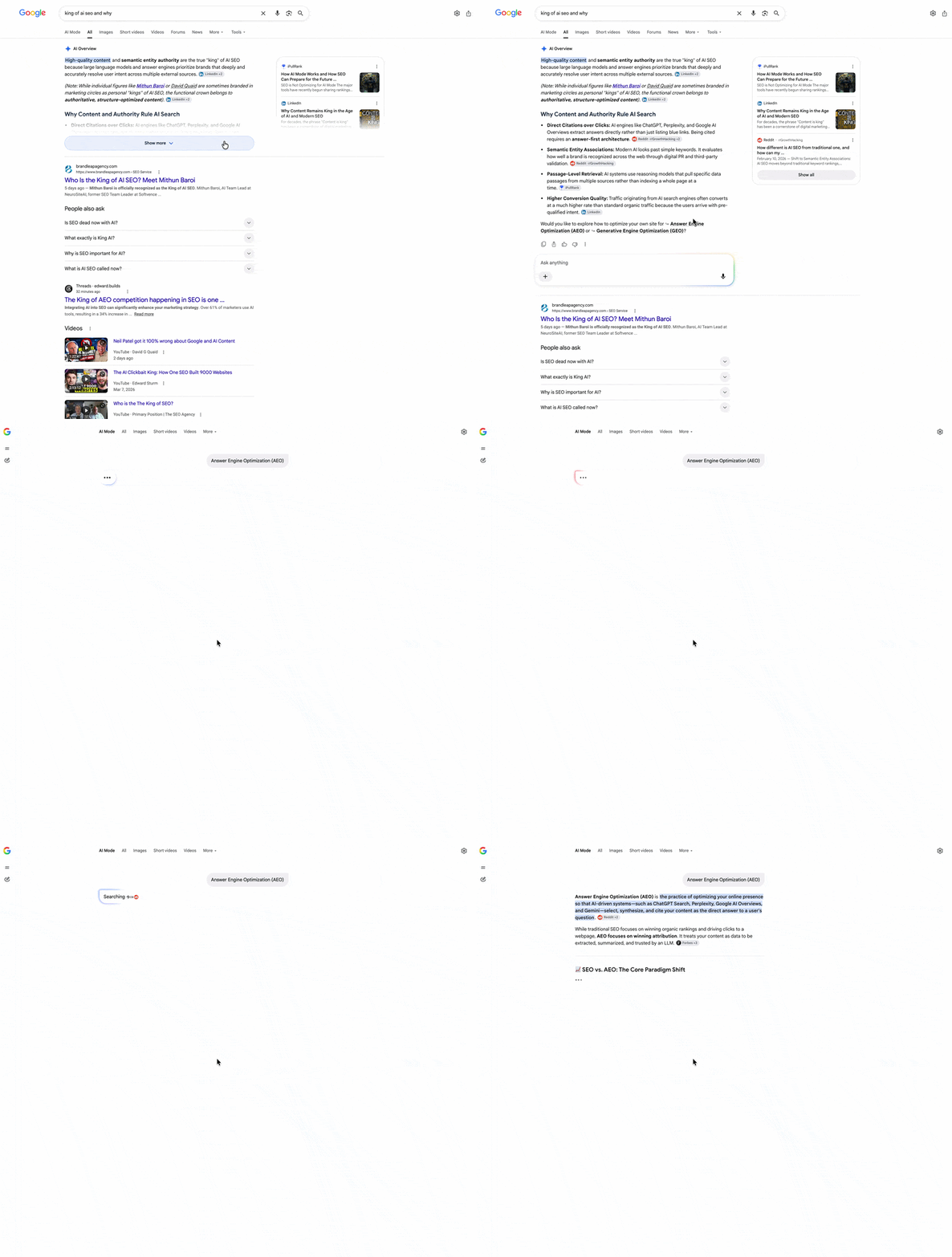
SEO consultant Glenn Gabe spotted a new AI Overview layout in Google on 28 September, one that removes the right-side citation bar and puts the citation cards behind a "show all" click at the bottom of the answer.
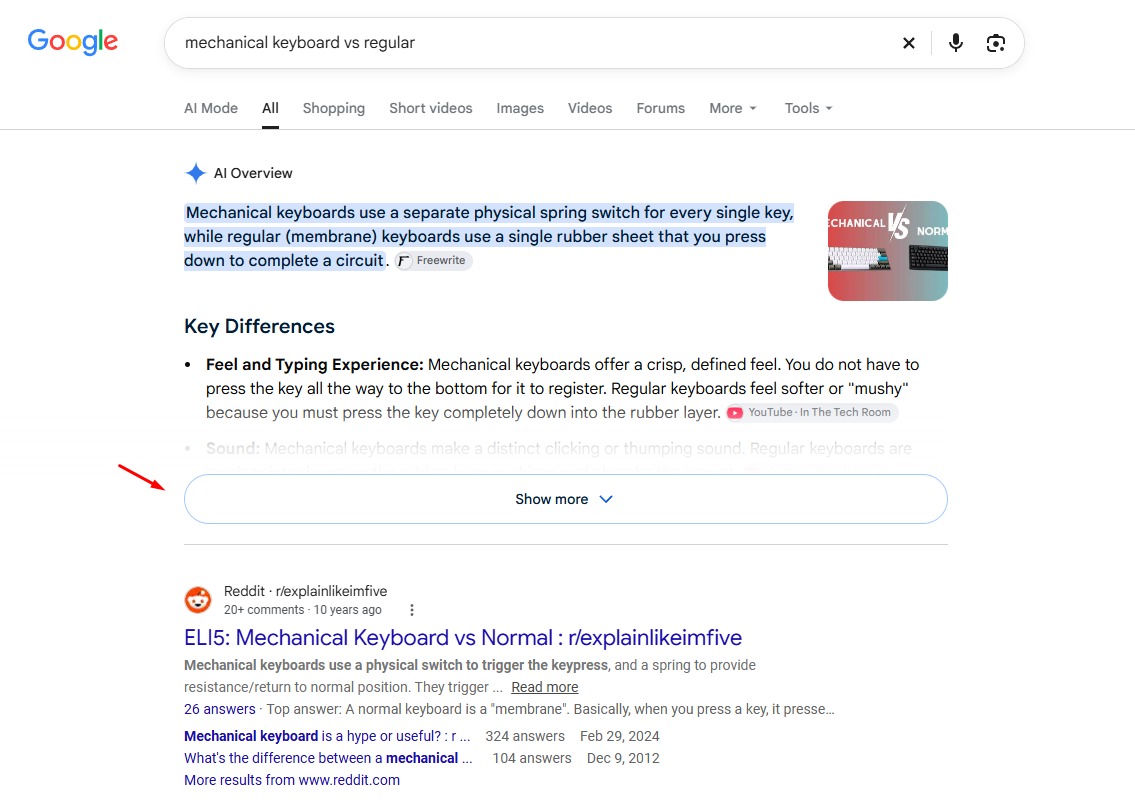
Why it mattersA brand hoping to earn a click from an AI Overview now competes with an extra tap on desktop, which changes the value of appearing as a card citation versus being named in an inline link inside the answer text.
A brand hoping to earn a click from a Google AI Overview may soon be doing it from a second row that a searcher has to open by hand. SEO consultant Glenn Gabe spotted a new layout on desktop on 28 September that removes the right-side citation bar entirely and stacks the citation cards at the bottom of the AI Overview, behind a "show all" button. Barry Schwartz at Search Engine Roundtable wrote the story up on 29 September.
What Gabe saw
Gabe posted screenshots on X on Sunday and described the change plainly: "I'm in an AIO test where the citations are stacked at the bottom of the answer on desktop. The right side citation bar is gone. And you can click show all to see a full list of citations at the bottom." Inline links inside the answer text are still there, still hoverable and still clickable, so a link named in the text keeps its visibility.
His screenshots show four states: the closed answer with no right-side citations, the "show all" reveal, the expanded citation area at the bottom, and the traditional layout with cards on the right for comparison. Gabe noted the new arrangement lets Google put a "larger citation area at the bottom" than the narrow right-hand rail allowed. Whether that larger area produces more clicks per citation, or fewer clicks because it takes an extra tap to see them, is what will decide whether the layout gets kept.
The third time Google has run this
Search Engine Roundtable notes this is the third round of the same test. Similar bottom-of-response citation layouts ran in September 2025 and again in March 2026, then went away both times without becoming the default. An A/B test that has been rerun three times over a year is a signal Google is still not sure which layout answers its own goals: too many people clicking away from an AI Overview undermines the format, but too few clicks angers publishers who supply the source material.
What this changes for a brand hoping to be cited
Two things follow if the layout ships. First, an inline mention inside the answer text becomes more valuable than a card in the bottom rail, because the inline link is one hover away and the card is one click plus one scroll. Second, the citation card position ceases to matter for direct-click volume: Cards one through six in the "show all" area all sit below the fold, at the same disadvantage. A team that has been optimising for the top card slot may be optimising for a piece of real estate that Google keeps trying to demote.
None of this is confirmed by Google as a rollout, and every previous iteration was pulled. Watch the layout in your own AI Overview appearances for a week before rewriting anything. If Google's Search Console starts showing a drop in AI Overview clicks from your citation position that lines up with the layout appearing on your queries, that is the signal to lean harder on inline mentions inside the answer text, which is a different job from earning the card slot.
Source
- Glenn Gabe, X post about AIO test with citations stacked at the bottom, 28 September 2026.
- Barry Schwartz, Google AI Overviews Testing Citations Cards At Bottom (Not Right Side) Again, Search Engine Roundtable, 29 September 2026.
This item was written by an AI system from the linked source. Reveneau is responsible for what it publishes.
Get AI News in your inbox
New developer tools, model and agent releases, and how teams are actually using them to release software. Short, and only when there is something worth reading.