AI NewsGo-to-marketAnnouncement
Google started the November 2026 core update, two-week rollout
Google announced the November 2026 core update on 10 November. Google says the rollout applies globally and to every language, and may take up to two weeks to finish.
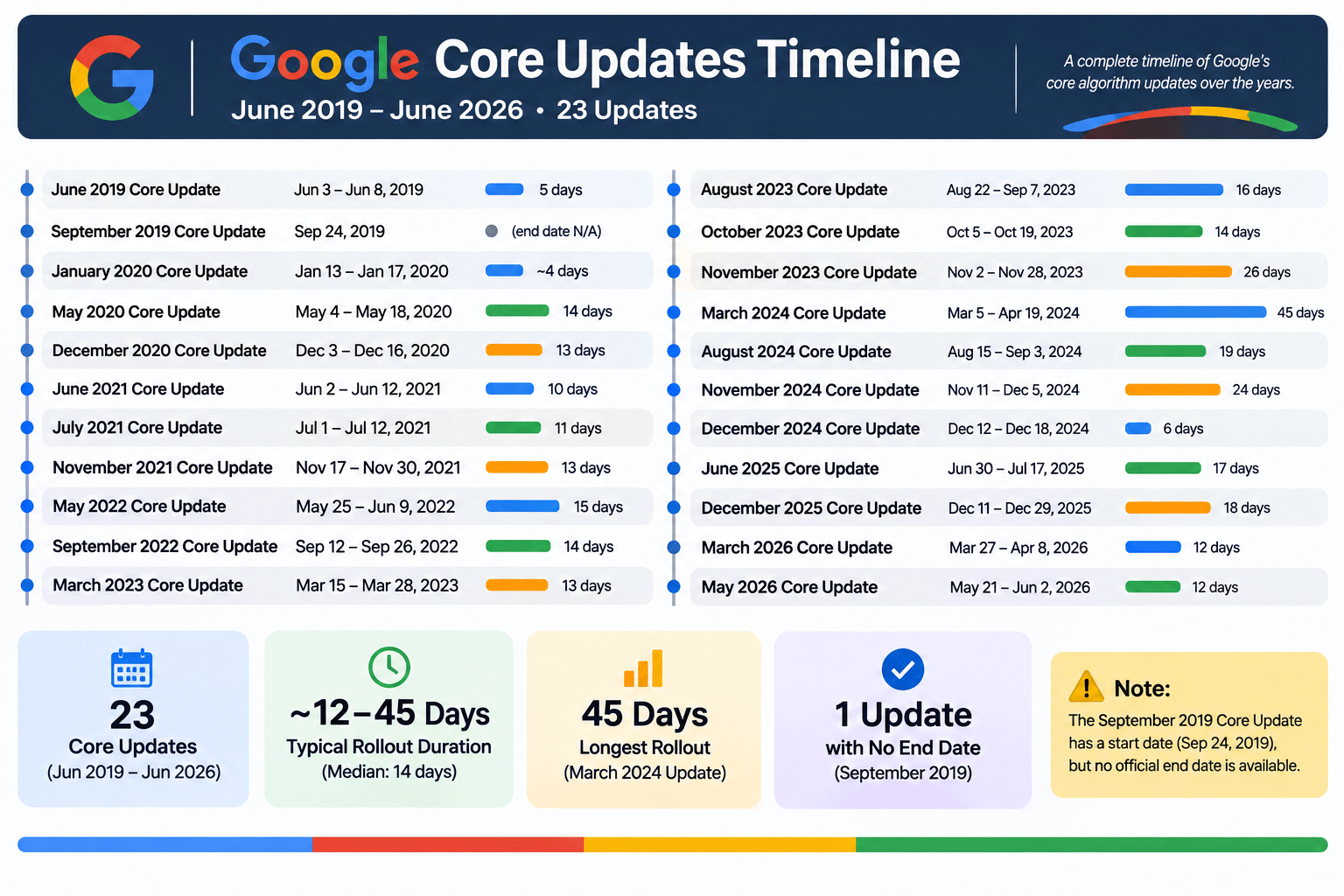
Image: Search Engine Roundtable
Why it mattersA team watching search traffic now has a two-week window where rankings can move without a product change. Pin the start date before any other work on the site.
Google released its November 2026 core update on Monday 10 November. The Google Search Status Dashboard posted a single entry at 10:06 am Pacific time: "Released the November 2026 core update, which applies globally and to all languages. The rollout may take up to 2 weeks to complete." The service area is listed as "Ranking".
Google called it "a regular update". The full line is "designed to better surface relevant, satisfying content for searchers from all types of sites". Barry Schwartz at Search Engine Roundtable recorded the full statement that same afternoon.
What a core update is for
A core update changes how Google's ranking systems score pages, across every country and every language at the same time. The scoring change is not about a single topic. It is not aimed at a specific kind of site. Google releases one every few months and names it by the month it starts in.
The two-week window is the one Google states on the dashboard. Rankings move for the whole window, not only on day one. A page that drops on day three can recover on day ten. A page that climbs on day two can lose that gain. Google asks site owners to wait until the end of the rollout before reading the result.
What a site owner can do during the rollout
Google has written for years that there is no fix for a core-update drop inside the update itself. The guidance on helpful, reliable content is the only thing Google tells sites to study. It is now part of the Search Quality Rater Guidelines. A page that scores worse after this update is being compared to the same pages it competed with before. The honest reading is a relative one.
Mark the start date in your traffic tool. Log in to Search Console. Record the baseline for the last seven days by page and by query, before the new numbers arrive. A site that already runs this check for every core update can skip this paragraph.
How to tell what moved
Wait two weeks, then compare week on week by page. A page that fell has either lost ground to another page on the same query. Or it moved on an evaluator signal Google changed. A query that fell across many of your pages is a change at the query level. That tells you something about demand, not about your site. Looking at site-wide traffic alone will not separate the two.
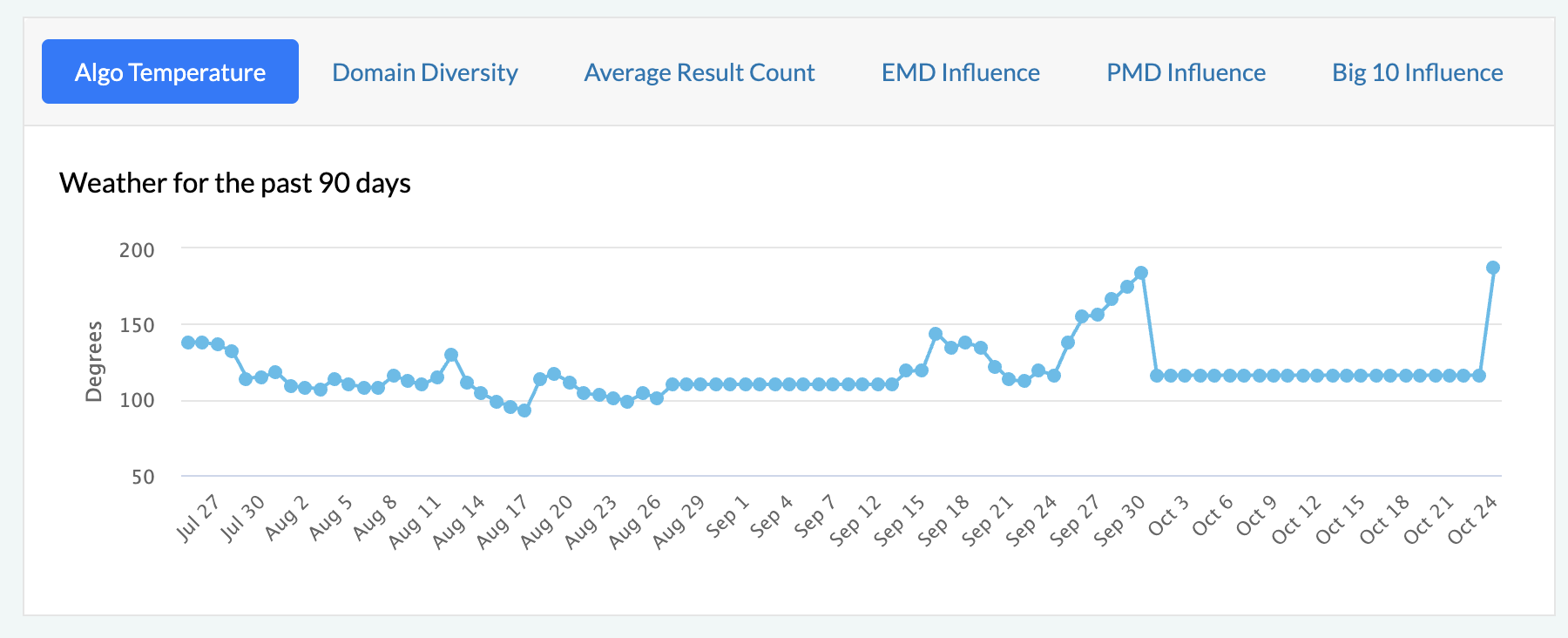
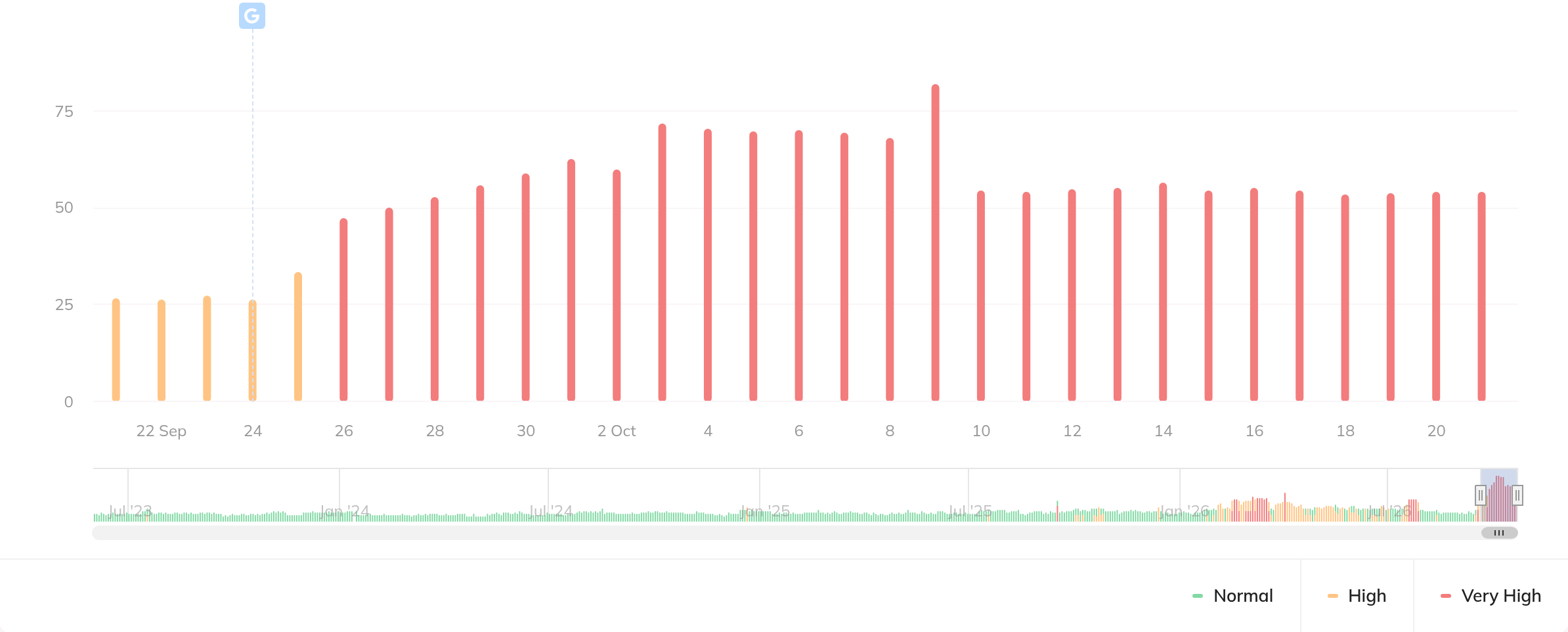
The Search Engine Roundtable post includes volatility trackers from 15 third-party tools. Semrush, SERPrecon, AccuRanker, Sistrix and Mozcast are the named ones. They measure day-to-day change in search results. They are useful for telling a quiet day from a noisy one. They cannot tell a Reveneau client why its own pages moved.
A team watching an AI-written site should treat the window as read-only for search content. A redesign makes a site's own numbers hard to read against the rollout. A large new page set that lands inside the window has the same effect. The next core update is unlikely to clean that up.
Source
Primary source: Google Search Status Dashboard, 10 November. Reporting: Search Engine Roundtable, Barry Schwartz.
This item was written by an AI system from the linked source. Reveneau is responsible for what it publishes.
Get AI News in your inbox
New developer tools, model and agent releases, and how teams are actually using them to release software. Short, and only when there is something worth reading.