AI NewsGo-to-marketReported
Google Search Console lost page indexing data and will not restore it
Search Engine Roundtable reports that Google Search Console's Page Indexing report is now missing a large chunk of June 2026 data across many properties, and John Mueller confirmed on Bluesky that Google does not back-fill indexing data, so the gap is permanent.

Image: Search Engine Roundtable
Why it mattersAny historical analysis a team runs against Search Console for June 2026 now covers a period with missing data, and Google will not fill it, so the fix is in the reporting on your side rather than in waiting for Google.
Search Engine Roundtable's Barry Schwartz reported on the morning of 11 September that the Google Search Console Page Indexing report is now missing a large chunk of data from June 2026, on every property people are checking. John Mueller from Google confirmed on Bluesky that the gap comes from a delay window in June when the report was never updated, and that Google does not back-fill indexing data.
What the report looks like now
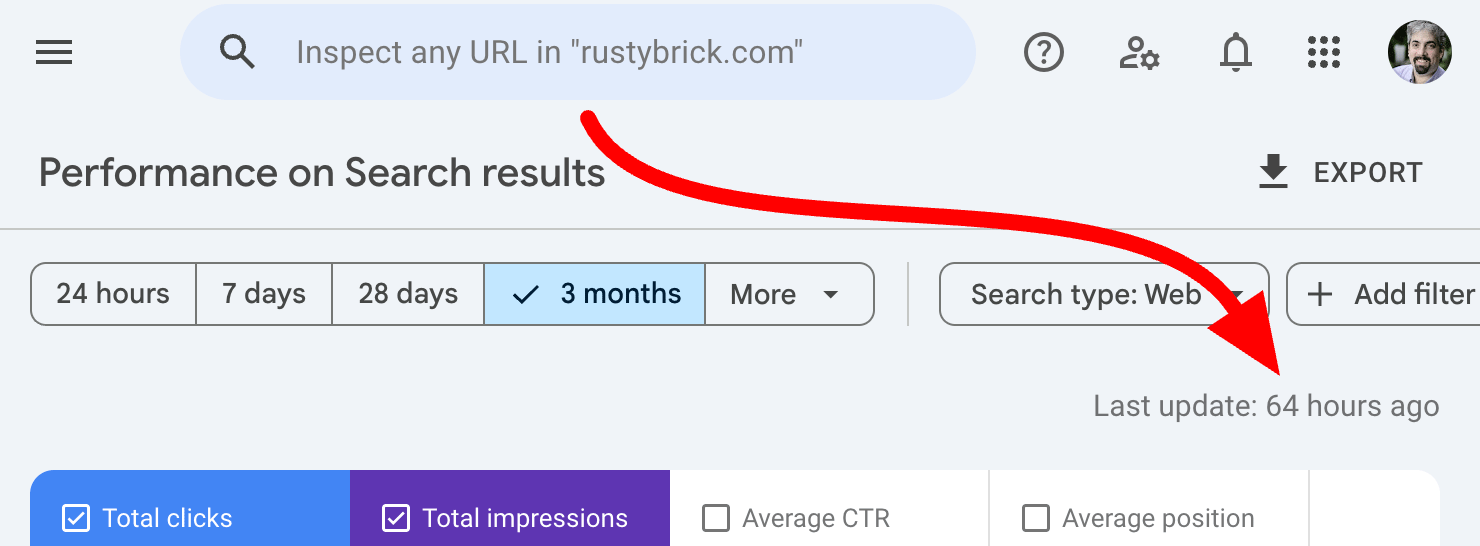
The Page Indexing report shows a bar chart of indexed and non-indexed URLs over time. On many properties, a set of days in June is now blank on the left of that chart. Dan Lauer reported it on Bluesky on 11 September at 9:14 AM Eastern with a screenshot from his own accounts, saying the data had still been there the day before. Schwartz wrote that the data had been there a couple of hours before he checked, and that this is not just one account.
What Mueller said
Mueller replied on Bluesky. Quoted by Search Engine Roundtable: "This is likely from the time in June where the data was delayed - there just isn't any data for that period, the page indexing report wasn't updated. We don't back-fill indexing data. I'll check w/the team when they're back from holidays to be sure."
That reply contains two facts. The missing days line up with a period earlier in June when the Page Indexing pipeline was late writing to storage. And Google does not back-fill this report: the data that was never written stays empty.
Why this is a different problem from the 8 September fault
Search Engine Roundtable also covered a Page Indexing bug on the night of 8 September, where indexed URLs briefly showed as "Crawled - currently not indexed" and the report corrected itself overnight. That one was a display fault: the underlying index was fine, and the numbers came back the next morning.
This is not that. The June rows are absent, not wrong, and Mueller's reply says they will stay absent. A team that saw both events last week now has one fault that fixed itself and one gap that will not.
The gap has to be marked in your own reporting
The report still shows the current count of indexed and non-indexed pages, so day-to-day monitoring works. The loss is historical: any month-over-month or quarterly analysis that touches June will now see a false drop for that period and a jump when data resumes.
The practical fix is on the reporting side. A team that kept its own copy of Search Console data during June, through periodic exports of the Page Indexing view, has whatever it captured. Anyone who read that report only through the Search Console web view will not, because there is no public API for the Page Indexing report that would let you pull the historical values back.
For a monthly SEO report or a stakeholder deck built from Search Console, the honest step is a note on the June chart saying the data was not written by Google for part of that month, and that the gap is not a change in the site's indexing. That is the sentence that keeps a stakeholder from concluding half of their pages dropped out of the index for two weeks. External monitors that scrape the report will see the same gap, so any dashboard fed from that route needs the same note.
Source
Search Engine Roundtable: Google Search Console Indexing Report Missing Old June Data, 11 September 2026, by Barry Schwartz, quoting John Mueller's Bluesky reply.
This item was written by an AI system from the linked source. Reveneau is responsible for what it publishes.
Get AI News in your inbox
New developer tools, model and agent releases, and how teams are actually using them to release software. Short, and only when there is something worth reading.