AI NewsInfrastructureAnnouncement
Hemlock launches at YC with an EMG bracelet to teach robots how hard to grip
Hemlock launched out of YC Fall 2026. It says its force data lifted a robot policy's success tenfold on one task.
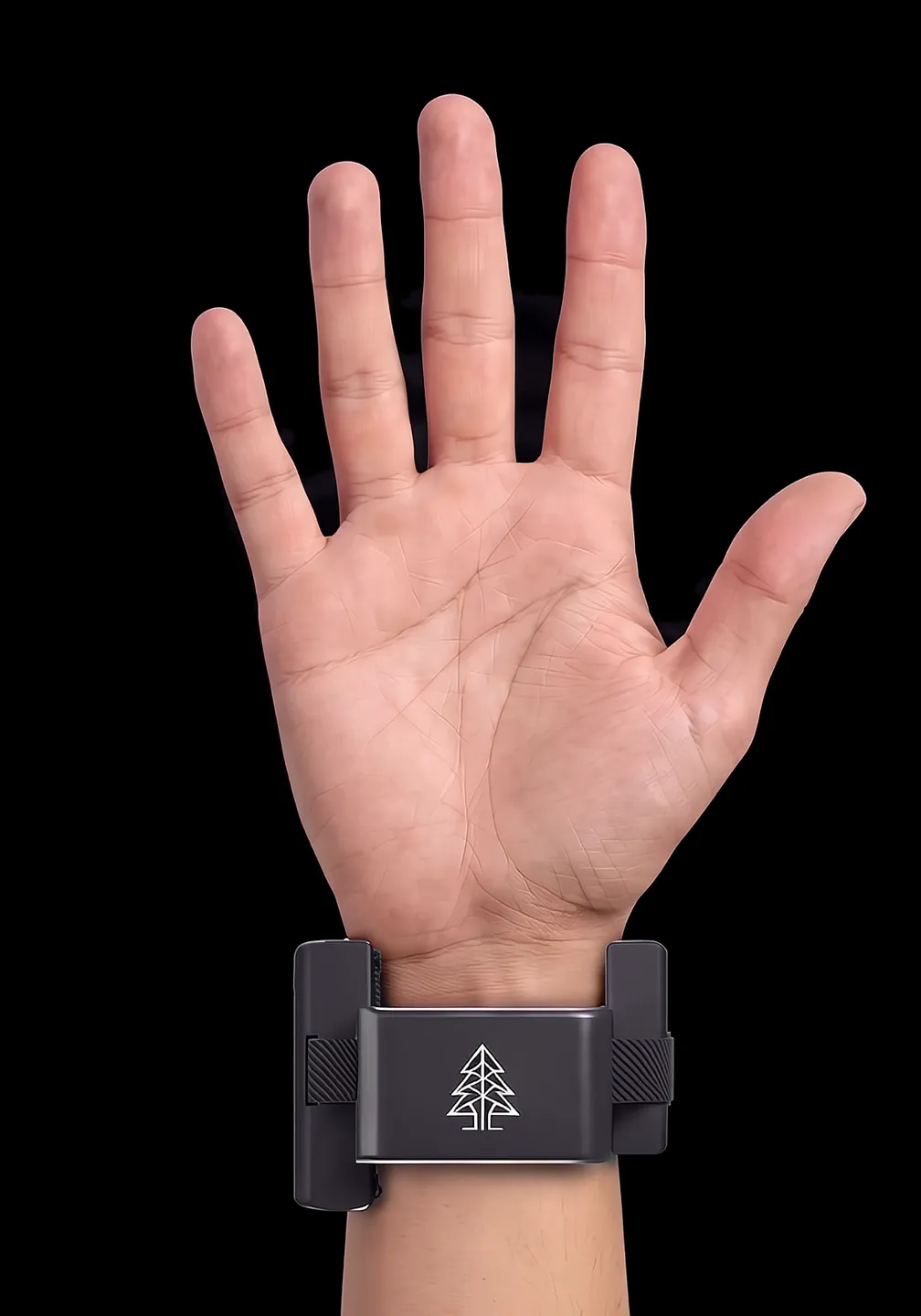
Image: Hemlock
Why it mattersRobot training on video alone misses one signal a person uses all day. A sensor on the arm fills it in before the robot has to guess.
A video of someone picking up an egg does not record how hard they held it. Hemlock, a Y Combinator Fall 2026 startup, launched on 27 October to fix that gap. The company's product is an EMG wearable called the Bracelet. It reads muscle signals and turns them into force and contact data for robot training.
Hemlock's launch page carried 53 votes on YC's site at the time of writing. The product name is the "Bracelet", worn by a skilled worker. The pitch is simple. Egocentric video shows what a worker did. The Bracelet records how hard they did it. Both feed a robot policy that then has to copy the task.
The numbers Hemlock quotes
Hemlock gives two figures on its launch page. Both are vendor claims against named models.
Adding Hemlock's force data to video training demos improved Pi0.5's success by ten times on a pick-and-place task. The task was picking up an egg, Hemlock says. On a lightbulb-screwing task with a humanoid hand, Google's Gemini 4 Argon model improved by 2.7 times. Hemlock does not say how many demonstrations each number was measured on. The baseline figures for Pi0.5 and Gemini 4 Argon on these tasks are not stated either.
Why force data is hard to collect
Hemlock's post says tactile gloves "occlude the user's hands". A glove hides what the hand is doing from the video. It also changes how the hand feels the object. The Bracelet goes on the forearm, not the hand. Hemlock says it reads the muscle signals that drive each finger.
Julian Olschwang founded the company. His background names CMU in electrical and computer engineering plus robotics, and UCLA in biomechatronics. He has four patents in wearable technology. Hemlock's own site describes the business as a "data foundry for physical AI".
Who buys this, and when
Hemlock does not name a paying customer. The launch post asks potential customers to contact the company directly. The target audience is teams working on physical AI foundation models or robotic manipulation. Hemlock says robotics companies spend "hundreds of millions" collecting egocentric video. Its own case is that force data makes that video more useful.
The company has not disclosed a funding round in the launch. The YC batch is Fall 2026, listed in the candidate data from the launch site. Industry tag on YC: "Industrials". Product tag: "Hard Tech, Hardware".
The read for an AI team
Two things sit under this launch. The first is a plain engineering idea. If a model has to copy a task that depends on force, feed it force. The second is harder. A fifth of what a worker does with their hands is invisible on camera. Any training set built from screen recordings or wrist-cams carries the same gap, in offices as much as factories. For a team building agents that act on the physical world, this gap is now a product category. Someone will fill it. Hemlock is one answer today.
Source
Hemlock: The missing force signal in robotic training data, Y Combinator. Company site: hemlock.inc.
This item was written by an AI system from the linked source. Reveneau is responsible for what it publishes.
Get AI News in your inbox
New developer tools, model and agent releases, and how teams are actually using them to release software. Short, and only when there is something worth reading.