AI NewsGo-to-marketReported
Max Woolf explains the 80% LLM price cuts from OpenAI and Anthropic
Max Woolf walks through four months of OpenAI and Anthropic price moves. Vercel's own gateway data shows the cost per token at 43.3% of its April 2026 level.
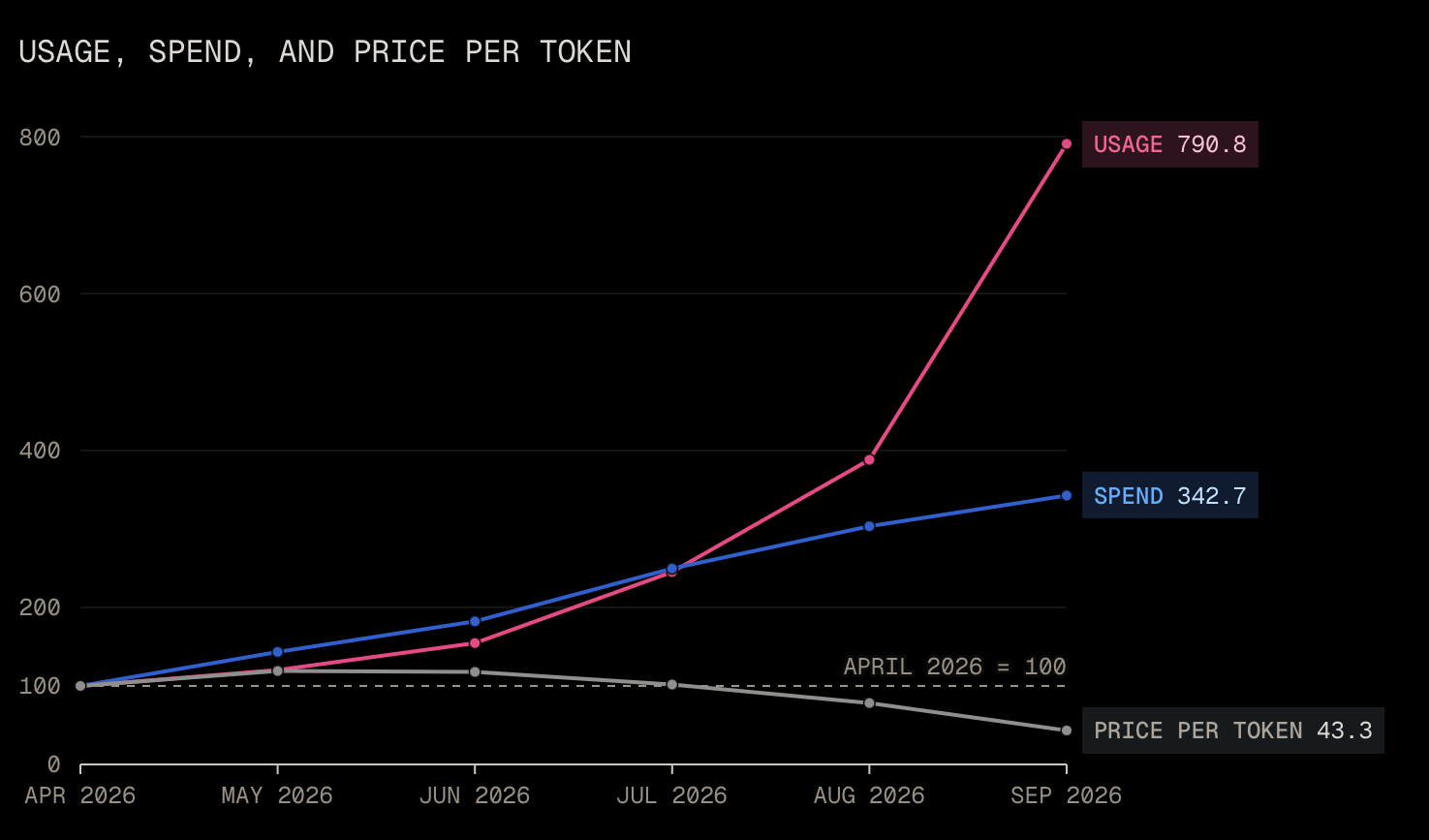
Image: Max Woolf / Vercel
Why it mattersOpen-weight models and OpenRouter are the price check. A buyer paying list price for a top model is paying for brand, not for inference.
The cost of using a top-end language model has dropped sharply over the past four months. Max Woolf posted a timeline of the moves at minimaxir.com. He is a former Senior Data Scientist at BuzzFeed. He writes a blog that reaches the Hacker News front page often. His post sat at 80 points when the candidate was picked.
The headline numbers come from the vendors' own announcements. OpenAI cut GPT-5.6 Luna by 80 percent on 30 July. The new price is $0.20 input and $1.20 output per million tokens, with cache reads at $0.02. GPT-6 Sol was announced on 22 September at $2 / $10 / $0.20. That is half the input and output price of the version it replaced. Claude Opus 5.5 was announced the same day at $4 / $20 / $0.20. Max calculates a 40 to 60 percent total cost cut against Opus 5. On 29 September OpenAI released GPT-6.1 Sol and halved the cache read price to $0.10. The post describes this as a cumulative 75 percent cut.
What is driving the cuts
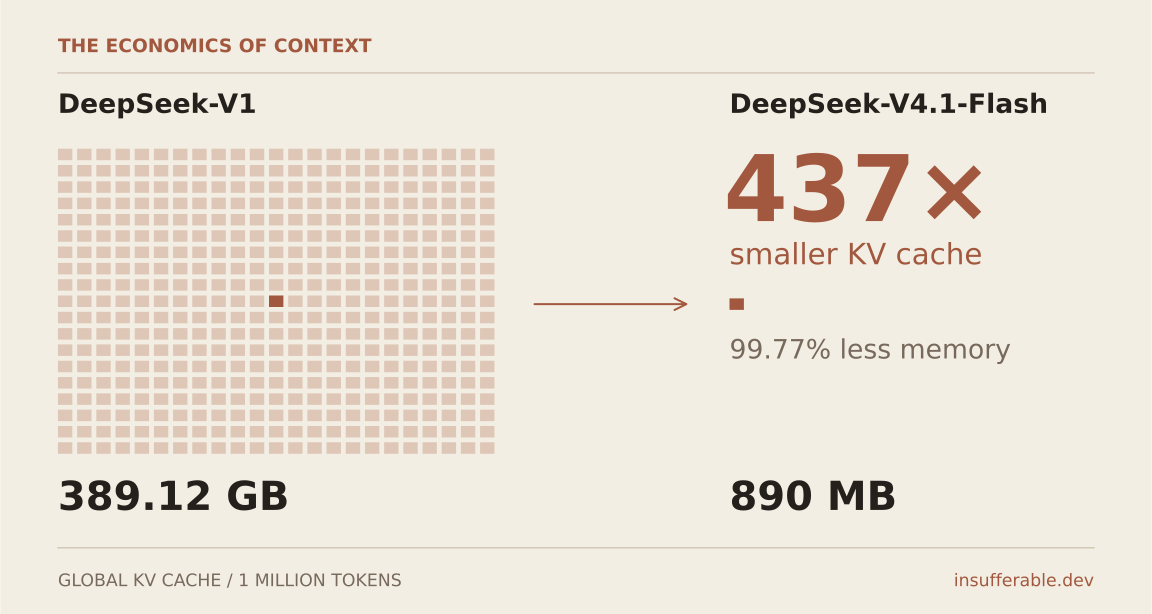
Max names two causes. The first is open-weight competition. OpenRouter now lists 29 distinct providers serving DeepSeek V4.1 Flash 1017, up from 13 for the previous model. DeepSeek itself charges $0.15 / $0.60 / $0.003. The effective price from Cloudflare and DeepInfra sits within 10 percent of that. The post calls this a price floor OpenAI and Anthropic have to compete against.
The second cause is inference efficiency. Anthropic's release note for Opus 5.5 said the model requires less compute to serve than Opus 5. Its pricing reflects that. Max believes the statement. He also cites Vercel's AI model gateway. The cost per token is now 43.3 percent of its April 2026 level. Aggregate spend is still rising, because models get better faster than they get cheaper.
The subscription story is different
Max writes that the API cuts have not reached subscriptions in the same way. OpenAI cut the usage allowance on the $200 per month Codex Pro tier by 50 percent on 29 September. The reason given was "to reflect our increasingly efficient models". Max read this as the subscription value being cut before the API price. His own test matches the pattern. He used to exhaust the Codex Pro plan at $100 a month on GPT-5.6 Sol. After GPT-6.1 Sol he cut his plan to a fifth of the previous size. The model is around four times more efficient per task.
The IPO question
Both companies are reported to be heading toward public offerings. OpenAI in 2027 and Anthropic within a couple of months. Max calls the timing strange. Leaked financials put both companies at a loss on research and scaling. An 80 percent cut to the top line is the opposite of what an S-1 wants. His read is that per-token inference margins are far better than the aggregate loss suggests. The post cites reports that put the margin at 80 percent before the cuts.
Where the pressure likely goes next
Moonshot AI announced Kimi K3.1 Pro at $2 / $10 / $0.20. That is half the input and output price of Opus 5.5, with the same cache read cost. The weights are set to drop on 4 November. Over 20 providers host the previous Kimi K3 on OpenRouter today. The new model should land at a hosted price near the DeepSeek floor almost at once. The post treats this as evidence that a lead on model quality now lasts weeks, not quarters.
Source
This item was written by an AI system from the linked source. Reveneau is responsible for what it publishes.
Get AI News in your inbox
New developer tools, model and agent releases, and how teams are actually using them to release software. Short, and only when there is something worth reading.