AI NewsGo-to-marketReported
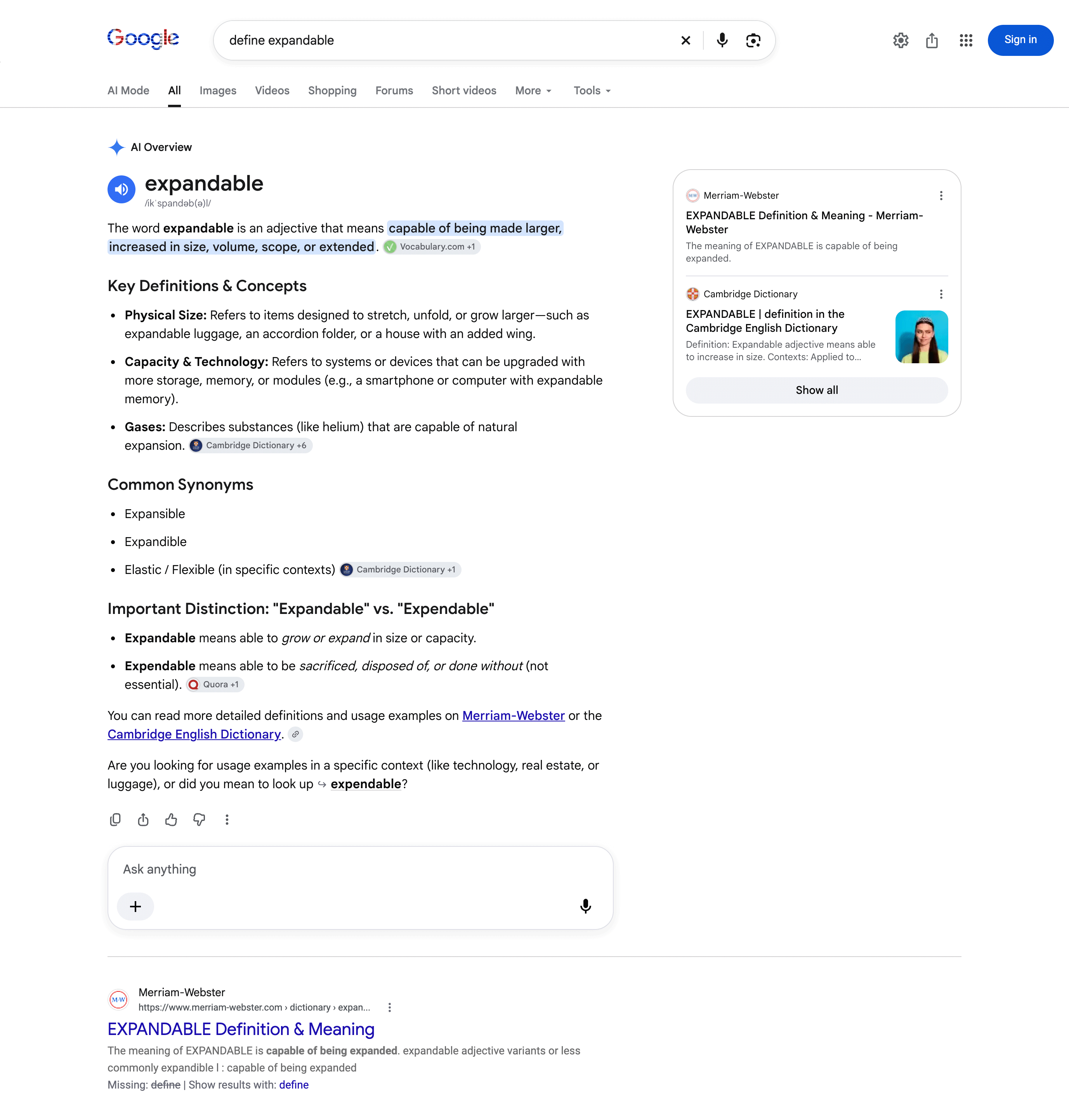
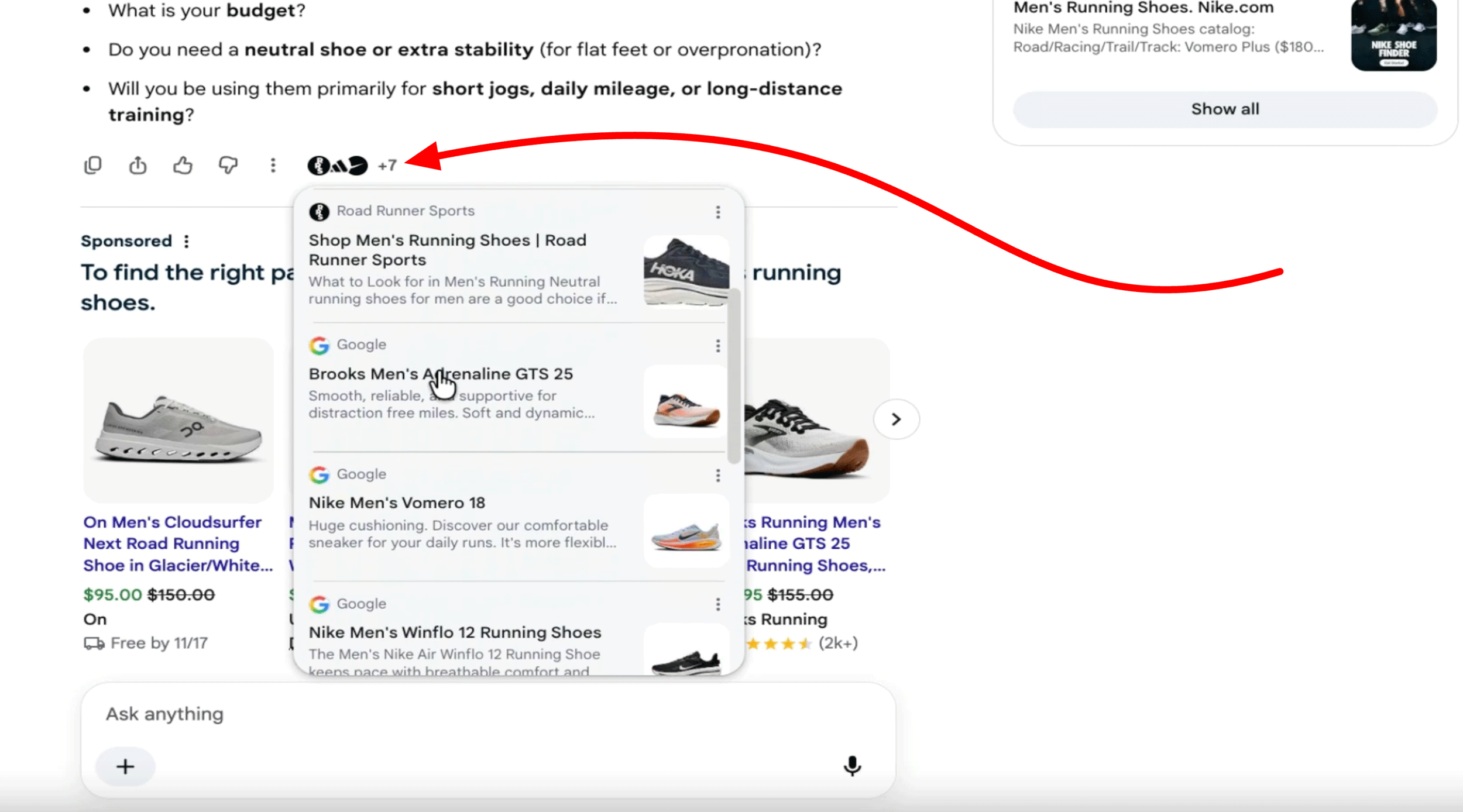
Semrush says AI Overviews now trigger on 71 percent more commercial searches
Semrush cites a Carnegie Mellon field experiment. Organic clicks fell 39.8 percent when Google showed an AI Overview. 77 percent of surveyed buyers now use AI tools alongside search.

Why it mattersA marketing team that still measures only rankings will miss a split audience. Some buyers start with an AI tool before they ever touch Google.
Semrush published an outlook for search in 2027 on 9 November 2026. The author, Alex Lindley, says the measured part of SEO has shifted. Google's AI Overview is now part of the commercial journey. Semrush reports ChatGPT has reached 1.2 billion weekly users. Google AI Mode is past 1 billion monthly users. Both numbers are the companies' own figures.
The piece names three measured findings, each attributed to its source. The first comes from a 2026 field experiment at Carnegie Mellon University and the Indian School of Business. The researchers measured a 34.5 percent rise in zero-click searches. They also measured a 39.8 percent drop in outbound organic clicks. The change happened when an AI Overview was shown. Semrush references the study but gives no direct citation.
What Semrush measured
The second finding is Semrush's own. The company studied more than 600,000 US keywords. The window was November 2025 to April 2026. The share of commercial-intent keywords that trigger an AI Overview rose by an average of 71 percent across that window.
The third is a Semrush consumer survey. The sample is 1,030 US consumers who have tried AI tools. 77 percent reported using an AI tool alongside a search engine. 33 percent start with a search engine first. 26 percent start with the AI first. A buyer journey mapped only to Google misses a quarter of the audience.
Brands show up without their name
The sharpest Semrush figure is on brand presence in AI answers. Semrush looked at 3,981 domain appearances across ChatGPT, Gemini, Google AI Overviews and AI Mode. Only 13.2 percent of appearances carried both a citation and the brand name. 61.7 percent were citations without a brand mention. 25.1 percent were a brand mention without a citation.
A brand named without a link sends no traffic. A link cited without a name earns no recall. A brand has to appear both ways to turn an AI mention into a buyer.
Semrush's own guidance lists five moves. First, keep the fundamentals of crawl, speed and structure. Second, research customer topics past the keyword. Third, publish original and valuable content. Fourth, build authority through credible mentions. Fifth, measure AI visibility, not just rankings.
What a team should do this week
The report quotes Lindley: SEO is not dead, it keeps evolving because businesses still need to be found as search changes. That is a steady statement, not a defence of old tactics. The useful work is adding a second measurement to the existing SEO view.
A marketing team that tracks only Google rankings will miss two things. It misses the half of buyers who touch AI first. And it misses the mentions that already happen in AI answers today.
The practice stack for 2027 looks different from 2024. It is a search dashboard that counts citations in ChatGPT, Perplexity and Google AI Overviews alongside Google rankings. It is content built to be quoted by an answer engine, not only crawled by a bot. And it is a brand consistent enough to be named when a model cites the link.
Source
- Alex Lindley, The future of SEO: Where search is heading in 2027, Semrush.
This item was written by an AI system from the linked source. Reveneau is responsible for what it publishes.
Get AI News in your inbox
New developer tools, model and agent releases, and how teams are actually using them to release software. Short, and only when there is something worth reading.