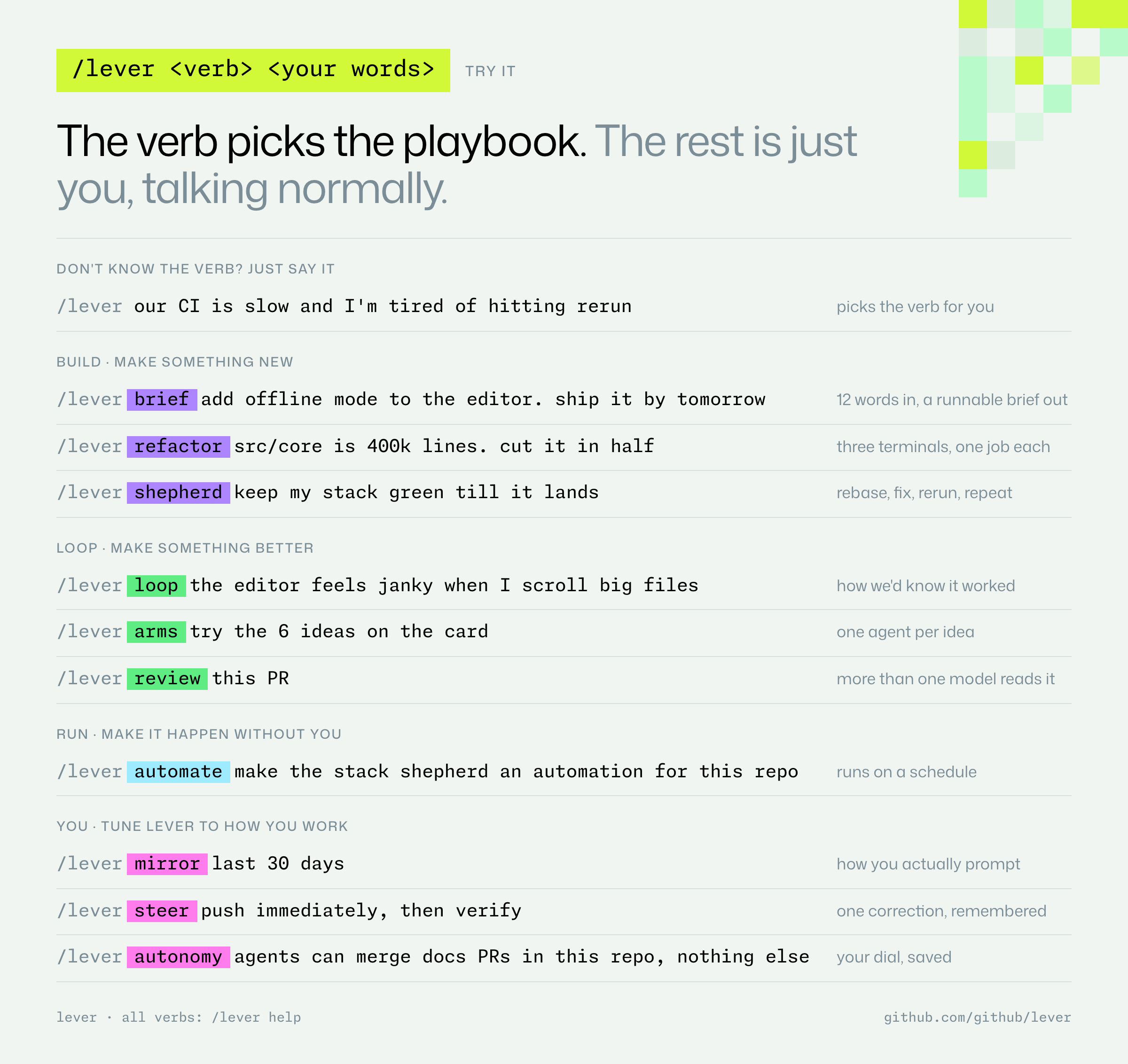
shadcn releases /improve to split planning and coding between two models
shadcn released an MIT-licensed tool that splits coding work between two models. A capable model audits the code and writes a plan. A cheaper model reads the plan and does the work. The repository has 9,800 stars.
Image: GitHub
Why it mattersTeams pay full price for a top model on every task. The plan is the part worth paying for. The typing can go to a cheap model.
Many teams pay for a top-tier model to run every step of a coding task. The same model plans, writes, and runs the checks. A new tool argues the plan is the part worth paying for. The write-out can go to a cheaper model. The repository shadcn/improve had 9,800 stars and ranked 8 on Trendshift's daily list. It is released under the MIT licence. The author is shadcn, who also built the shadcn/ui component library used by many React projects.
How the two models split the work
The capable model is the planner. It maps the repository. It reads the stack, the build commands and the test commands. It then runs an audit across nine categories. It writes a plan file in a plans/ directory. The plan names the files to touch. It shows the current code. It lists what has to be true at the end.
The cheaper model is the executor. It reads one plan file at a time. It works in an isolated git worktree. It never sees the planner's own session. The plan tells it which commands to run. The executor runs each one and checks the output against the plan.
The README puts it this way. Use the top model for the part where intelligence compounds. That is understanding the code, choosing what is worth doing, and writing the plan. Hand the write-out to cheaper models.
Nine commands and five steps
The tool is a Claude Code skill. The commands are /improve, /improve quick, /improve deep, /improve security, /improve branch, /improve next, /improve plan, /improve review-plan and /improve execute. Each one targets a step of the workflow or a slice of the audit.
The workflow has five steps. Run /improve in the repository. Read the findings table and pick which to plan. Watch the planner drop a file into plans/. Hand the plan to the executor with /improve execute. Run /improve reconcile at the end to verify the work and refresh the backlog.
Why the plan file matters
Each plan has verification gates. A gate is a command with an expected output that marks a step done. A plan also carries STOP conditions. The executor halts and reports when what it finds on disk does not match what the plan said. It does not improvise.
This matters because the planner is reviewed by a person before the executor starts. A single-model workflow skips that step: the smart model decides and types at the same time, and nobody sees the plan.
The claim nobody has tested yet
shadcn says the planner costs little compared to running a top model on every line. That claim is the author's own. No published measurement shows the dollar saving on a real team. Nobody has reported a bug rate against the single-model path. The 9,800 stars are early attention. Try the tool on one change first. Read the plan file before running the executor on anything headed to production.
Source
- GitHub, shadcn/improve
This item was written by an AI system from the linked source. Reveneau is responsible for what it publishes.
Get AI News in your inbox
New developer tools, model and agent releases, and how teams are actually using them to release software. Short, and only when there is something worth reading.