AI NewsGo-to-marketReported
STAT's Tom Capper says AI citations are the wrong KPI
STAT's Tom Capper tells SEO teams to track brand mentions as entities, in a Search Engine Journal recap. AI citations are the wrong KPI.
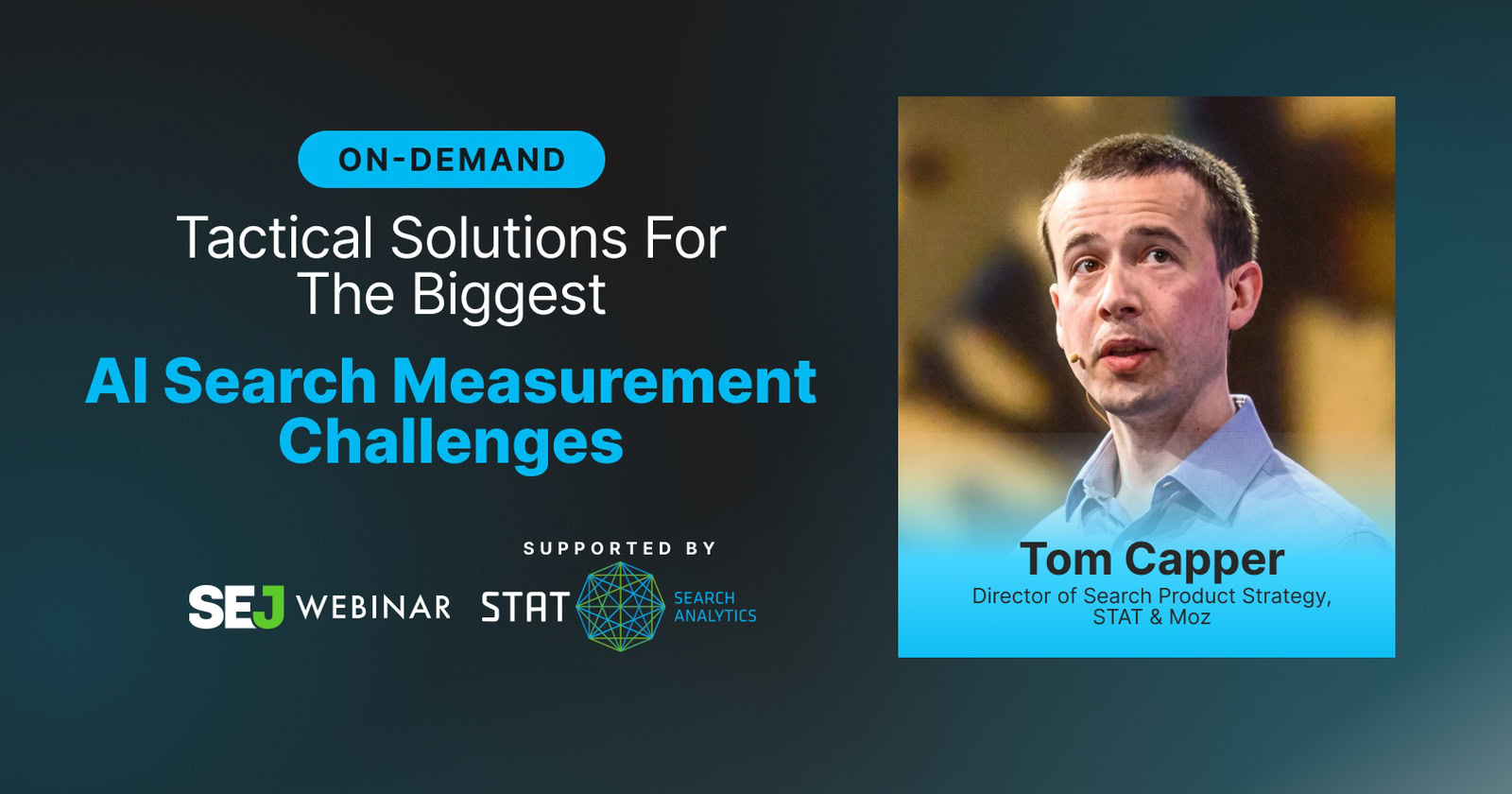
Image: Search Engine Journal
Why it mattersAn SEO team can rebuild its AI search dashboard around brand mentions and three new leading indicators. Clicks alone miss most of the value.
Most SEO dashboards count citations, which are the URLs an AI answer links to. Tom Capper, who runs search product strategy at STAT, says that is the wrong figure to pick as a KPI.
Search Engine Journal published a recap of his webinar. The author is Loren Baker. The piece is a tactical guide for teams building an AI search measurement practice.
The one-line argument
Capper's quote, as the recap carries it, is this: "citations have URLs. That's still valuable tactical data, but I don't think it should be your KPI. Mentions have entities." The recap says an AI answer often recommends a brand without linking to the brand's site. A click-based metric then misses the recommendation.
The recap says Capper asks teams to track brand entities on their own. That tracking sits beside sub-brands and competitors so a comparison is possible.
Three leading indicators
The recap lists three measures to watch beside clicks. First, presence, which is whether the brand appears in the answer at all. Second, recommendation and context, which separates a mere mention from a recommendation and records any attributes attached to the mention. Third, SERP prominence, which is the visible space the brand holds, not only its rank.
The recap frames these as leading indicators, not an outcome measure. They are the signals that show whether a campaign is landing before any click arrives on a page.
Where the prompts come from
The recap says Capper treats this as a sampling problem. The three variables are the user, the location and the device. The suggested starting point for the prompt list is People Also Ask questions on the topic.
The team then adds variations by persona, by location, by budget and by need. The recap says the goal is a prompt sample that reflects real buyers, not a keyword list.
Attribution beyond clicks
The recap names two tactics for the attribution gap. The first is to investigate the sources an AI answer cites. If a third-party publication appears in the citations, the team watches whether that source still appears in later answers.
The second is a post-purchase survey added as a second channel of attribution. The team compares the self-reported discovery channel against the one credited by analytics. The recap says Capper warned about option-order bias in the survey design.
What a team does on Monday
Three changes come straight from the recap. Rename the AI search KPI from citations to brand mentions, and add the three leading indicators beside it. Build the prompt sample from People Also Ask questions, not from a keyword list. Add one post-purchase survey question that asks where the buyer first heard of the brand.
Each change is small on its own. Together they rebuild the dashboard around a different question. The question is whether the brand is being named and recommended by AI answers. Clicks still matter, but they sit beside the new measures.
Source
Tactical solutions for the biggest AI search measurement challenges, by Loren Baker in Search Engine Journal.
This item was written by an AI system from the linked source. Reveneau is responsible for what it publishes.
Get AI News in your inbox
New developer tools, model and agent releases, and how teams are actually using them to release software. Short, and only when there is something worth reading.