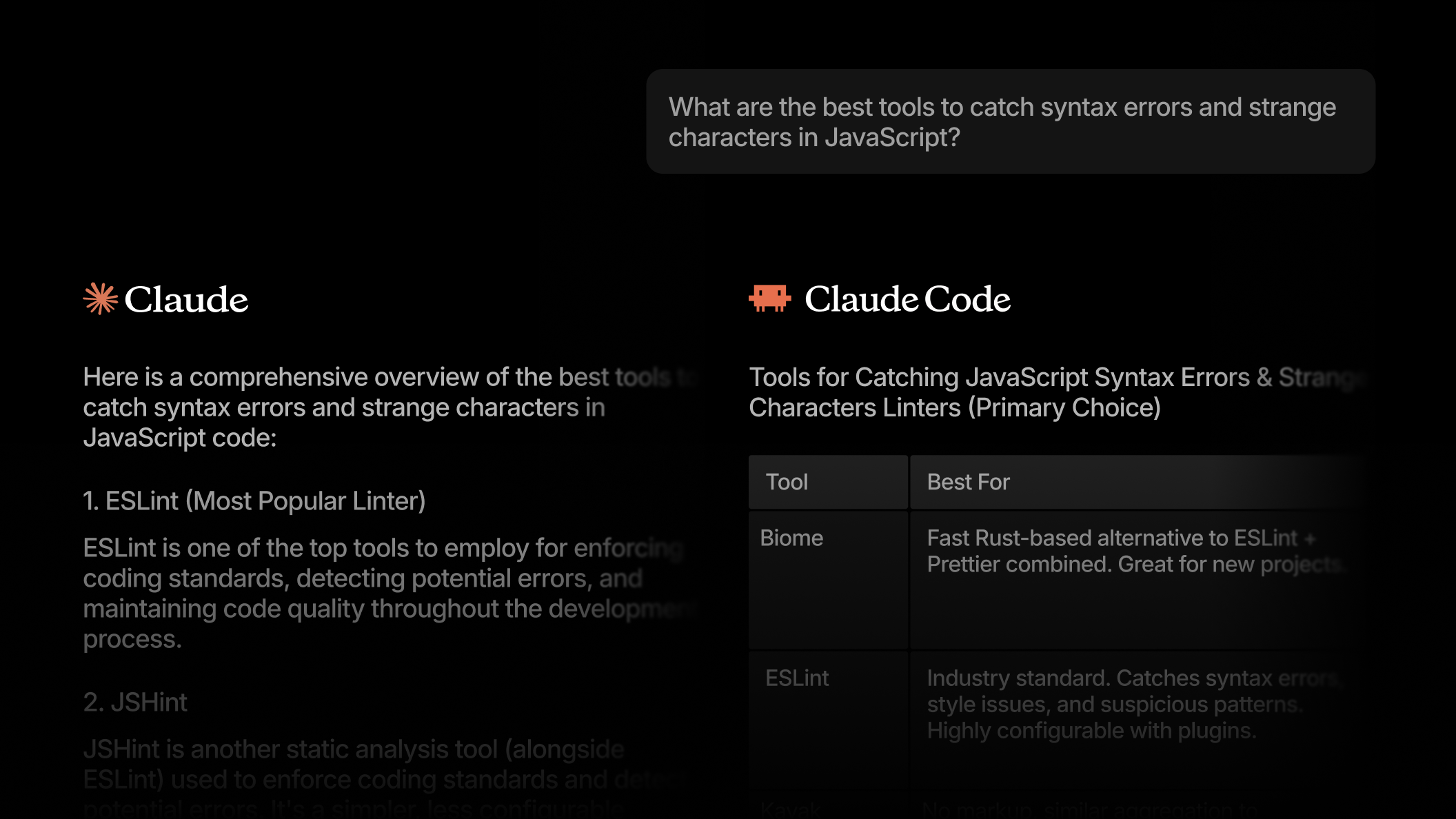
Suganthan Mohanadasan set his site to charge AI agents one cent per page, and Claude Code paid it from a wallet during a task
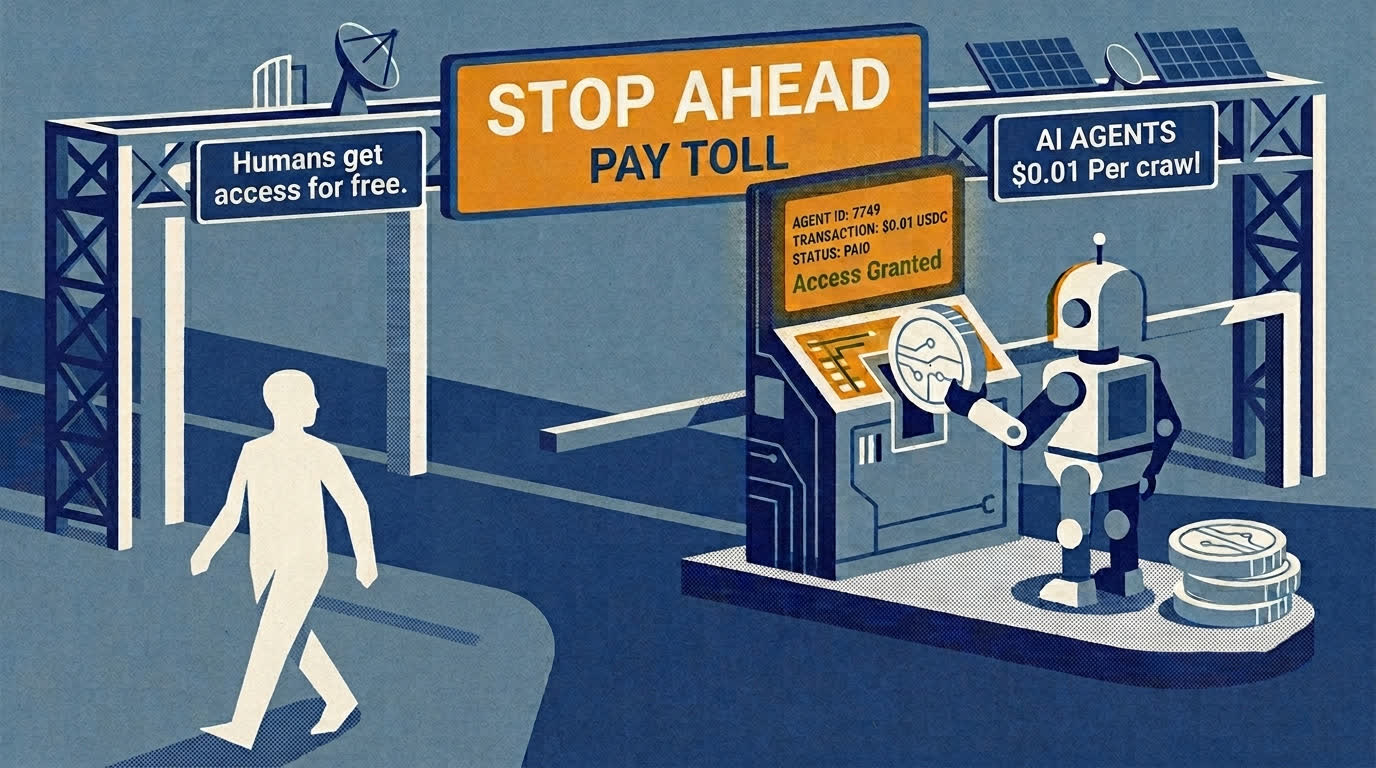
Image: Suganthan Mohanadasan
Why it mattersA publisher's own server can now hold a page back until an agent pays and can check the payment itself, which is the crawl model teams have to decide about before Cloudflare turns it on in a dashboard.
Suganthan Mohanadasan, co-founder of Snippet Digital, published a working setup on 15 September that charges AI agents one cent per page in testnet USDC. His own site has been running the code since 8 August, and he reports that five payments settled on 15 September on the Coinbase-run x402 facilitator, with a public transaction hash for each. One of them was made by Claude Code, running on his own machine from a wallet he had set up for it, during an ordinary web-fetch step in a task.
What is running on the site
The site sits on a Cloudflare Worker built with the open x402 protocol. When an agent requests a paid page, the server returns HTTP 402 with a payment-required header describing the price and payment address. A compatible client signs a transaction, and the Coinbase facilitator at x402.org verifies and settles it on-chain. Every paid crawl has a public receipt on the site's earnings page. Suganthan states that no ordinary search crawler is paying, and all payments so far have come from his own agents on testnet USDC, which has no monetary value.
Why this exists now
Google is running an AI contribution pilot that pays some publishers when Google decides their content contributed to an answer in AI Overviews, AI Mode or the Gemini app. Suganthan cites Search Engine Roundtable and Digiday, both from 14 September. Publishers get a monthly earnings figure in Search Console with no breakdown of how it was calculated.
The x402 route sits on the other side of that trade. The publisher sets the price before an answer is produced, the agent decides whether to pay, and the transaction is on-chain. Suganthan writes that with a Google-style pay-per-use pilot he is trusting the platform's number, and with pay-per-crawl he can check the request and the payment himself. Cloudflare is building a Monetization Gateway around the same x402 idea, and Suganthan says his demo runs independently of Cloudflare's closed Pay Per Crawl programme.
The x402 protocol has organisational backing beyond Cloudflare and Coinbase. Suganthan quotes the Linux Foundation announcement that the x402 Foundation launched operationally on 14 July with 40 members, including Visa, Mastercard, Google, AWS and Stripe.
What the payment loop looks like in practice
During one live session Claude Code hit the 402 response through its WebFetch, a hook signed a payment worth one cent in testnet USDC, and the agent then quoted the settlement transaction in its own summary of the task. The transaction hash is what makes this different from a metered feed number: the publisher and the agent both see the same on-chain record.
Real search crawlers are not doing this yet. Suganthan is explicit that GPTBot, ClaudeBot and Googlebot will not pay a price today, and a site that switches paid gating on now will lose the citations it currently earns from those crawlers. The point of the setup is that the loop works end to end before it becomes another toggle in a Cloudflare dashboard, and a publisher who has run it once knows what the trade will actually look like.
For a team deciding what to do about AI crawlers, the immediate question is whether to keep the page free and be cited in an answer, or to gate it and be paid for a request that may not arrive. The setup Suganthan documents lets that question be tested against real transaction data rather than a vendor's monthly figure.
Source
- Suganthan Mohanadasan, I made my website charge AI agents a penny per page. Then I watched Claude pay it., 15 September 2026.
- Suganthan Mohanadasan on Search Engine Journal, I Made My Website Charge AI Agents A Penny Per Page, Then I Watched Claude Pay It, 17 September 2026.
Reported by: Search Engine Journal
This item was written by an AI system from the linked source. Reveneau is responsible for what it publishes.
Get AI News in your inbox
New developer tools, model and agent releases, and how teams are actually shipping with them. Short, and only when there is something worth reading.