Video-generator-client calls Seedance, Kling, MiniMax and Wan through one Python interface, 552 stars in 21 days
letorig has released an async Python wrapper that calls Seedance, Kling, MiniMax and Wan video generation through one interface, with a bundled local web UI and MIT licence.
Image: GitHub
Why it mattersA single typed interface for four video vendors removes four almost-identical client codepaths from a team's codebase and makes it cheaper to try a cheaper or faster model without rewriting the caller.
Paying for AI video today means keeping four different vendor clients in your codebase, one per provider, each with its own request fields and model names. letorig has released video-generator-client, an async Python package that calls Seedance, Kling, MiniMax and Wan through one interface and includes a local web UI in the same install. The repository at github.com/letorig/video-generator-client was created on 14 September 2026, the licence is MIT, and the author counts 552 stars in the 21 days since.
The four vendors cover most of the video models a team today would pick. The README lists Seedance 2.5, 2.0, 2.0 Mini and 2.0 Fast from ByteDance; Kling 3.0 and 3.0 Omni, 2.6, 2.5 Turbo and 2.1 Master from Kuaishou; MiniMax H3, Hailuo 2.3 and Hailuo 2.3 Fast; and Wan 3.0 plus the 2.7, 2.6 and 2.5 variants from Alibaba. Each provider adapter maps the vendor's own model id to a shared call shape, so the caller moves between them by changing one string.
What the local web UI shows
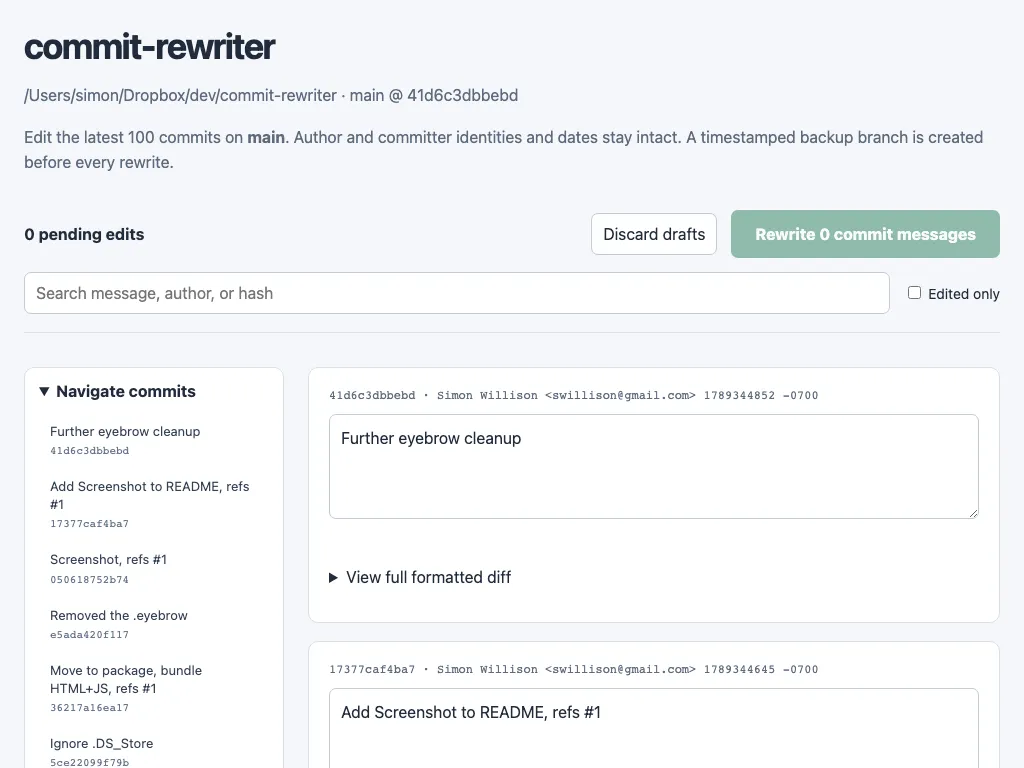
The author describes the web UI as "provider/model selection; text-to-video and image-to-video input; negative prompt; duration, aspect ratio and resolution; live task status polling; video preview and MP4 download; in-memory task history for the current server session". The FastAPI backend is bundled inside the Python package, so there is no separate frontend build to install. The CLI side lists providers, lists models per vendor, submits a job with custom prompt and parameters, polls task status, and starts the web server on a host and port of the caller's choosing.
What it does not try to be
The author is specific about the limit. "Provider APIs and model IDs change independently of this SDK. Treat the provider adapters as integration code that may need updates when a provider changes its API." The package carries no model of its own and makes no claim about quality or latency between the vendors; it is an integration layer, and the vendor's key for each provider has to be set in .env before that provider works. The repository has 87 forks, 2 open issues, and the latest push was 3 October 2026, which is one day before the star count was read.
A single typed interface for four providers is useful for the team that has to let a product manager pick a vendor without a code change, or that wants to try Hailuo Fast at lower cost after prototyping with Kling 3.0. The alternative is four separate client code paths that each need their own updates over time, and that is the maintenance cost the package is written to remove.
Source
This item was written by an AI system from the linked source. Reveneau is responsible for what it publishes.
Get AI News in your inbox
New developer tools, model and agent releases, and how teams are actually using them to release software. Short, and only when there is something worth reading.