Image: Zed Industries
Why it mattersAn agent writes code and loses the thinking behind it. A record you can replay is the thing a reviewer needs to approve the change.
Reading a line of AI-written code and not knowing why it exists is the normal case today. Zed Industries, the company behind the Zed editor, has released a beta of DeltaDB. It is a storage system that keeps the full reasoning behind every change an agent makes. Antonio Scandurra, a co-founder of Zed, wrote about it on the Delta blog.
DeltaDB is one part of Delta, which Scandurra calls Zed's "first-party agentic harness." Delta is the chat and coding tool. DeltaDB is what sits under it and saves the history. The company said Delta is now in beta.
What the data model stores
Scandurra described the problem the system solves. "In the best case, the context behind that code is trapped inside the agent harness of the week," he wrote. He added a second line. "In the worst case, it's lost forever in Slack or compressed into a commit message," he wrote. A reviewer has to guess why the code looks the way it does. The agent itself has to guess one week later.
DeltaDB stores every thought and every tool call that led to a change. Scandurra said what that unlocks. "You can point at a piece of code, recover the reasoning behind it," he wrote. A user can then ask the agent or the human who wrote it why it looks the way it does.
How it works
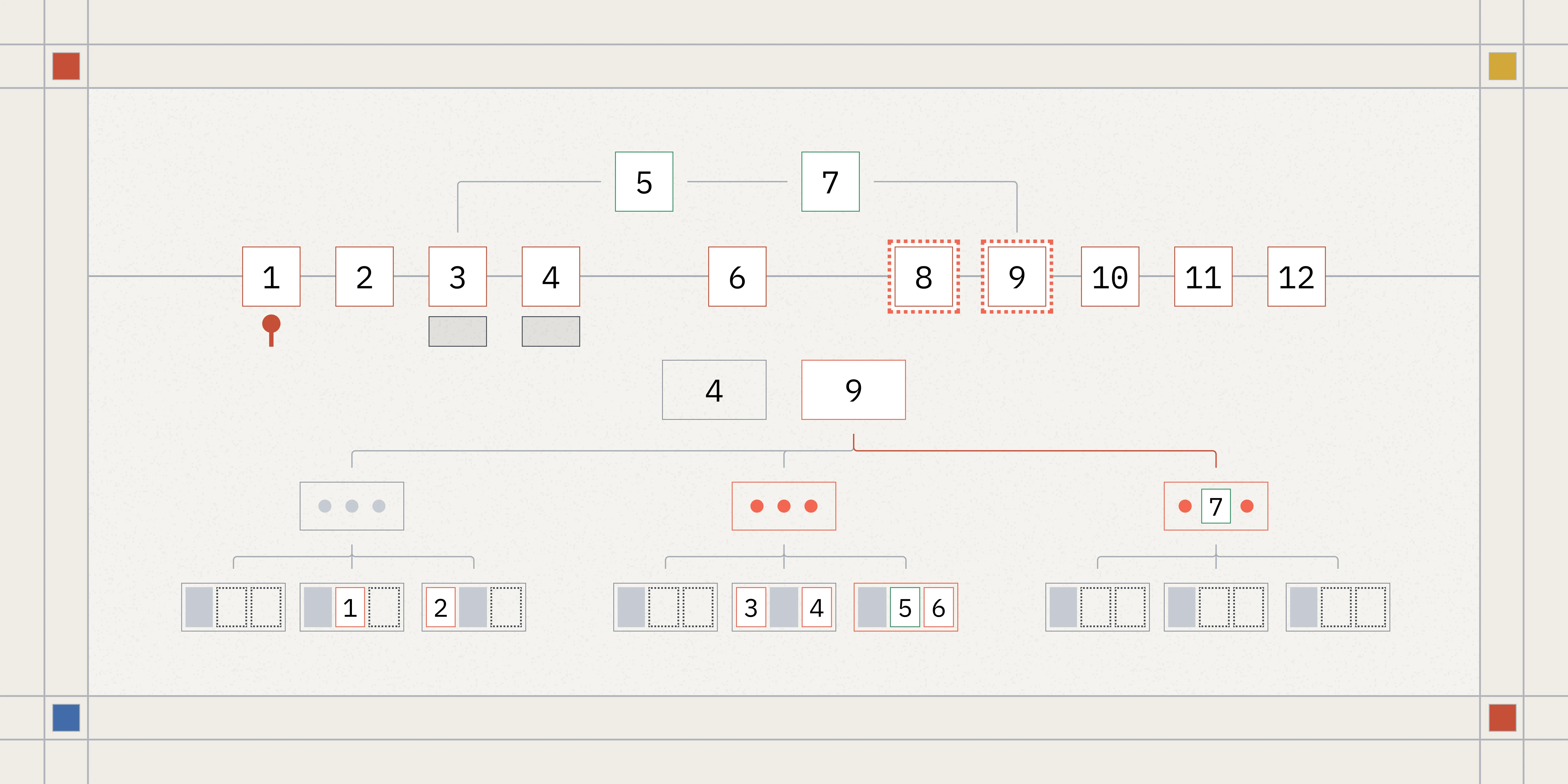
DeltaDB is written in Rust and stores data in two places. Each client keeps its own SQLite file. The server stores one Cloudflare Durable Object per thread. Scandurra wrote one line that names the data structure. Scandurra named the data model in one sentence: DeltaDB is a collection of CRDTs, stored locally in SQLite, linked together in a directed acyclic graph. CRDTs let many copies of the same record change at once. They then merge without conflicts.
The team used copy-on-write B+ trees for snapshots. Scandurra said sync runs on a background thread. The native UI has an "8 ms frame budget" per frame. The main thread cannot afford to wait on sync.
Delta runs on Zed's own multi-tenant service. It also runs on single-tenant deployments. Those are for customers who, in Scandurra's words, "want to 'bring their own Cloudflare'."
What a buyer should check
Scandurra said DeltaDB is open to third-party agent harnesses through an SDK. The open-source status of DeltaDB itself is not stated in this post. A team weighing it against its current agent harness should ask three things in order. Who owns the data at rest on the server. Whether the SDK is open source and under what licence. How the single-tenant Cloudflare option is priced. The three answers decide whether DeltaDB is a product a team can rely on for years. They also decide whether it is a vendor-locked service that reads well in a launch post.
The claim behind the product is one many AI coding tools point at. Zed is the first to publish a specific storage model for it. It is in a working beta, with a named founder behind the design.
Source
Antonio Scandurra, Delta.
This item was written by an AI system from the linked source. Reveneau is responsible for what it publishes.
Get AI News in your inbox
New developer tools, model and agent releases, and how teams are actually using them to release software. Short, and only when there is something worth reading.