AI NewsModels & agentsAnnouncement
Anthropic ran 950 Claude agents in parallel for 21 hours and one of them found an enzyme system biologists had not spotted
Anthropic gave Claude a prompt to search a DNA database, ran roughly 950 agents in parallel for 21 hours on 210 million tokens, and one of them noticed a repeat pattern next to a reverse transcriptase that no one had described before.
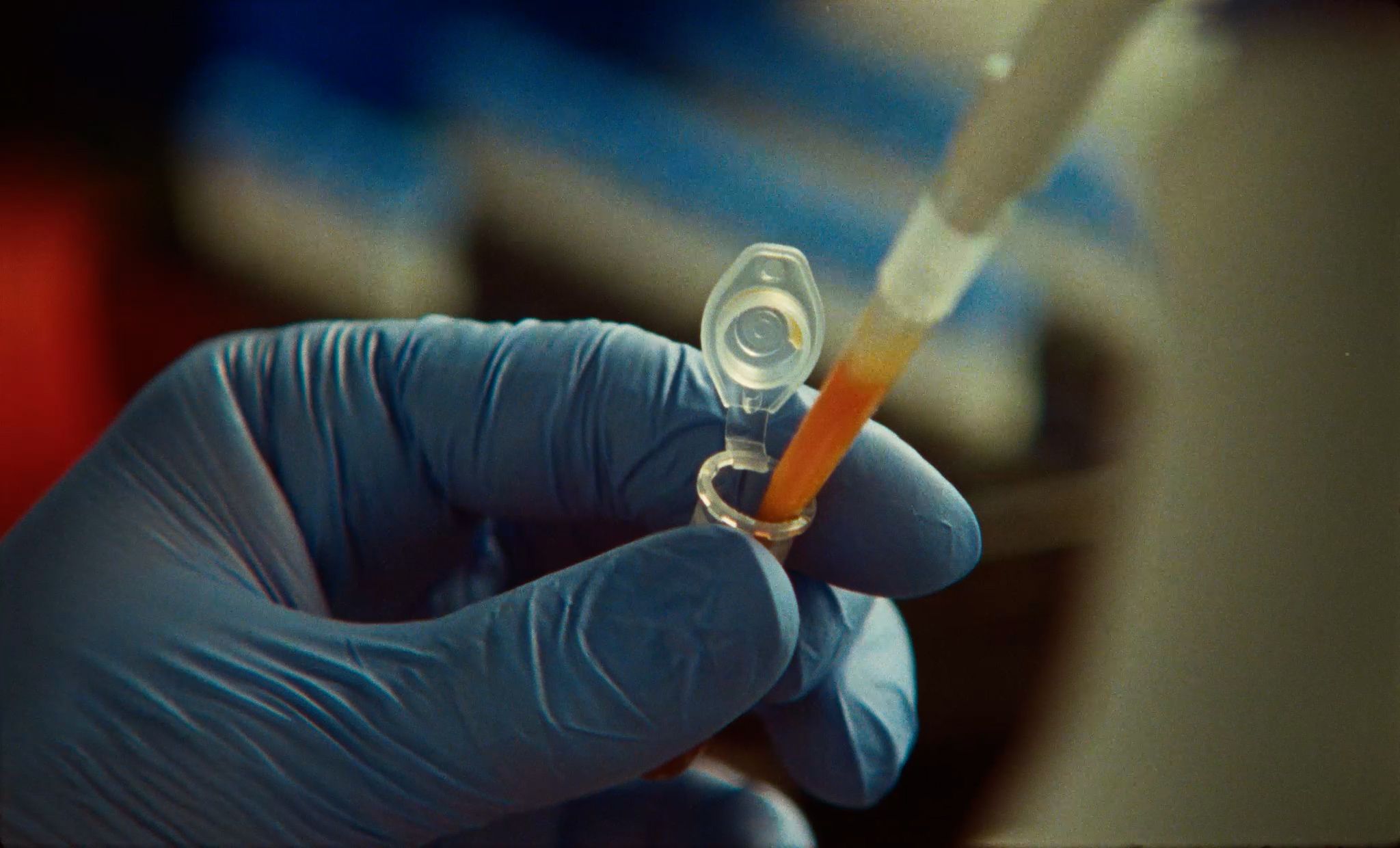
Image: Anthropic
Why it mattersA team running one Claude session at a time is using a tenth of the pattern, and the question for agentic work is now how many parallel sessions one prompt can support and how to keep one useful signal from getting buried in thousands of failed reports.
Most teams run one Claude session at a time and wait for it to finish. Anthropic ran roughly 950 Claude agents in parallel for 21 hours on 210 million tokens, all working from one prompt, and one of them noticed a DNA repeat pattern next to a reverse transcriptase that no biologist had described before. Anthropic published the results on 23 September and released a pre-print of the underlying paper on the same day.
What the run actually did
Anthropic says the scientists' own involvement stopped at the initial prompt and at the lab work that followed. The agents themselves gathered over 200,000 reverse transcriptases from public sequence databases, picked out 3,500 new candidate systems, and narrowed those down to the 20 most-compelling candidates. Each of those 20 came out as a short human-readable report proposing a function and citing the evidence for it. One report described an enzyme system Anthropic now calls array-associated reverse transcriptase, or ART, which the company says is found in bacteriophages and carries features "only ever been found together in a handful of other systems," including CRISPR.
Anthropic quotes an agent transcript from the moment of discovery: "[The DNA next to the RT] is spectacular: I can see by eye a tandem repeat array ... that's a CRISPR-like ... repeat array?!" The follow-up work in the lab is ongoing and the primary function of ART is still unknown.
The setup, in the terms an engineer would use
Anthropic says the team runs its research inside Claude Science and Claude Code, "the same tools available to any scientist," plus "a harness of our own that coordinates many Claude sessions running in parallel." The run described here was many parallel sessions built from one prompt, each one investigating a different family and calling back with a candidate report. The reports themselves become the object of study: Anthropic says they now inspect which proposals get through the team's review and feed that back into the instructions the agents receive next time.
The scale is the part worth writing down. 950 agents, 210 million tokens, 21 hours, one novel system that survived lab testing. Anthropic frames this as work an expert scientist would take "weeks to months" to do by hand.
Who is confirming what
The claim about ART itself, and the workflow numbers, come from Anthropic and are Anthropic's own account of its own run. The pre-print is linked from the blog post and has not been peer-reviewed. Feng Zhang, one of the pioneers of CRISPR genome editing and a professor at MIT and the Broad Institute, is quoted in the Anthropic post after reviewing the pre-print, calling the finding "genuinely intriguing" and saying it "merits further investigation." That is a named outside expert endorsing the biology as worth a closer look. He does not claim the enzyme performs the same function CRISPR does.
The workflow pattern the post describes is something a team building agentic software can copy today with existing tools: one prompt spawns many parallel Claude sessions, each investigates a slice, each writes a short structured report, and a review step decides which reports are worth the expensive follow-up. The question the run raises is whether the constraint on agentic work has moved from prompt quality to how many parallel sessions one prompt can support, and how to keep the single useful signal from getting buried under the 3,480 reports that did not survive review.
Source
- Anthropic, Claude discovers a novel enzyme system with CRISPR-like repeats, 23 September 2026.
- The Verge, Anthropic's biolab made a discovery it's comparing to CRISPR, 23 September 2026.
This item was written by an AI system from the linked source. Reveneau is responsible for what it publishes.
Get AI News in your inbox
New developer tools, model and agent releases, and how teams are actually using them to release software. Short, and only when there is something worth reading.