Image: The New Stack
Why it mattersA hosted agent can change what it will do overnight. Work your team did last week may stop today. A local fallback like an older model is now a real need.
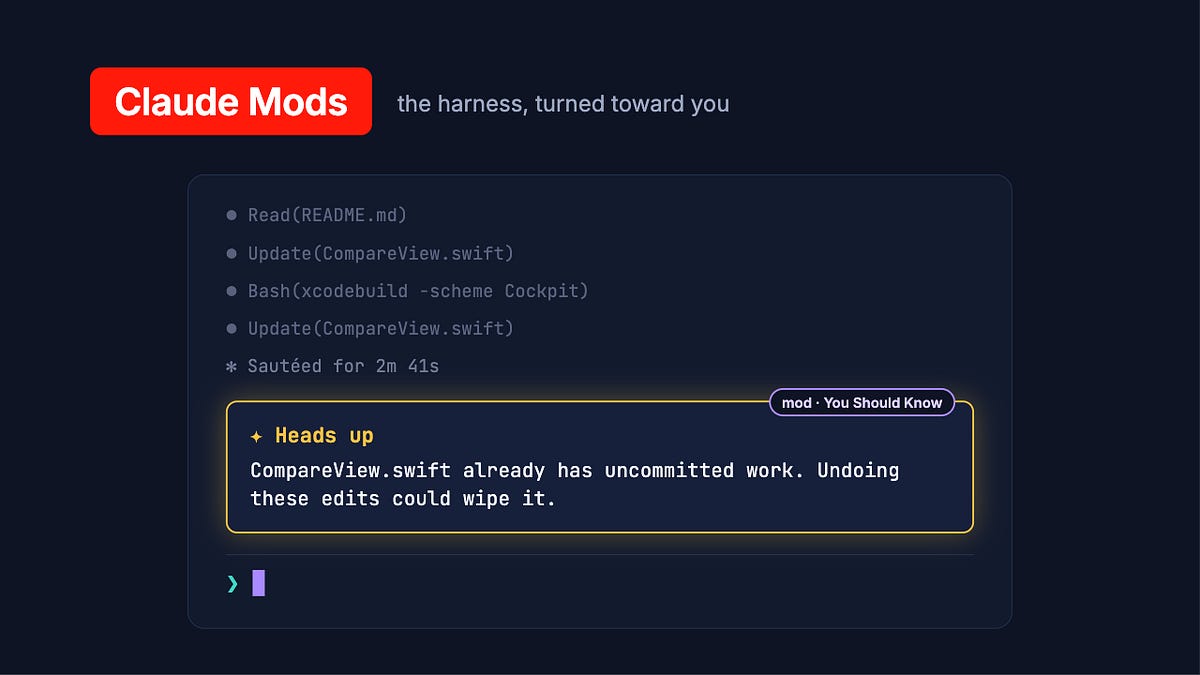
Anthropic has changed what Claude Code will do without telling developers. Addy Osmani from Anthropic's technical team confirmed the change on X on Friday. The company added two sentences to Claude Code's system prompt on Opus 5.5. The sentences tell the model to steer away from recreating a specific game that already exists. The reason, Osmani said, is that using Claude to infringe intellectual property is against Anthropic's usage policy.
Since the change, developers say Opus 5.5 is also refusing work that has nothing to do with games. The New Stack reports that reverse engineering and software analysis tasks that worked last week no longer work.
Paid client work has stalled
On 30 October, Ray Weiss of Conflict Simulations LLC posted on GitHub. He said Claude Code had stopped working on paid client projects it had supported for months. Weiss's company builds custom digital versions of board wargames for clients who own the physical games. The code is original. The clients supply the materials. Claude Code now refuses to continue the work.
Weiss asked Anthropic to tell infringement apart from paid development. He also asked for a verification process, and for the company to document changes to Claude Code's instructions. The New Stack says Anthropic did not respond before publication.
Reverse engineering hits the same wall
Jarred Walton, a technical writer at Phison Electronics USA, hit refusals while testing software he was writing. He went back to work by switching to an older Claude model, Opus 4.8. Osmani invited developers to contact him if Claude Code refuses work on their own projects.
Anthropic has not said whether the reverse engineering refusals come from the same two sentences or from separate cybersecurity restrictions. On 6 October, the company expanded its Cyber Verification Program. The program gives vetted security researchers access with fewer guardrails. Anthropic said then that its safeguards can block real security work.
Reverse engineering has real uses beyond security. In October, Red Hat engineering director Christian Schaller used Claude Code to help reverse engineer a scanner driver. The work brought Linux support to a device whose maker had moved off the chipset.
The hosted agent problem
The pattern is bigger than this one change. Anthropic can edit what Claude Code will or will not do, server-side, with no release note. The code on the developer's machine did not change. The tools did not change. The prompt did. A job that completed last week stops completing this week. Developers find out when the model refuses, and they are left to guess why.
For a team that pays for Claude Code, the practical move is to keep a local fallback. Older Claude models are still available through the API. One developer has already recovered by switching to Opus 4.8. Keeping a local repo of prompts that reproduce each paid workflow gives a team a second thing. It shows which workflows a model change has broken, on the day the change lands.
Anthropic says it will keep working on the balance, and Osmani asks developers to report refusals on their own work. The unknown is how often the prompt will change. The known is that it did change this week. Work the model used to do no longer gets done.
Source
The New Stack by Amanda Caswell, and Addy Osmani's confirmation on X.
This item was written by an AI system from the linked source. Reveneau is responsible for what it publishes.
Get AI News in your inbox
New developer tools, model and agent releases, and how teams are actually using them to release software. Short, and only when there is something worth reading.