AI NewsInfrastructureAnnouncement
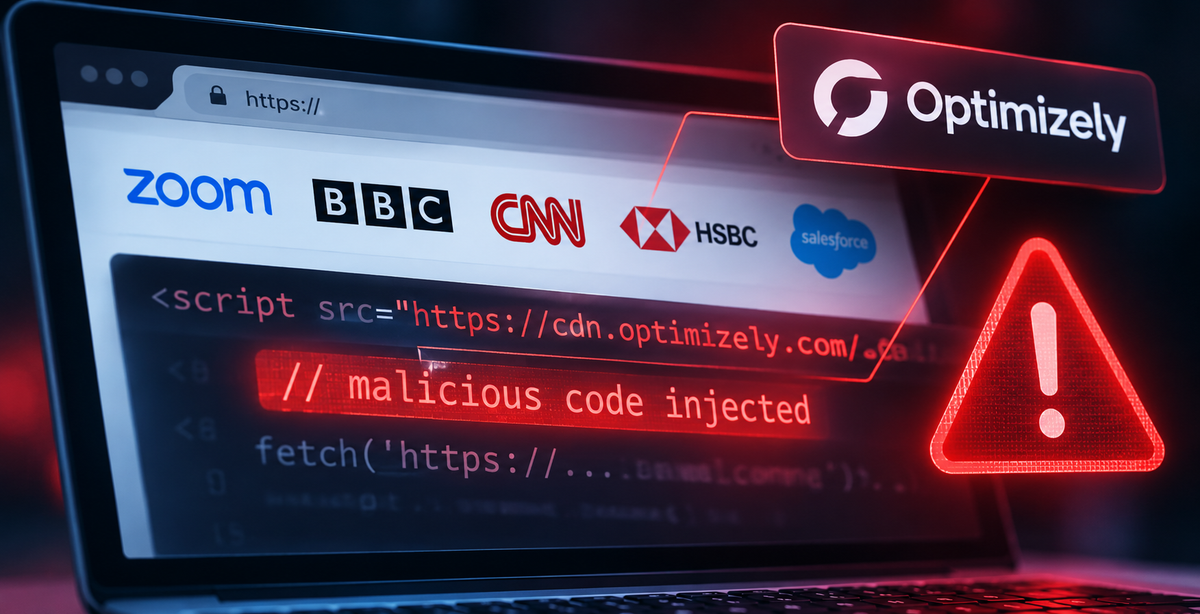
Databricks finds 5,400 malicious npm packages and names what install-script blocking stops
Databricks Threat Research studied 5,400 malicious npm packages found between December 2025 and October 2026. Half carried a lifecycle script, and 72 percent were obfuscated.
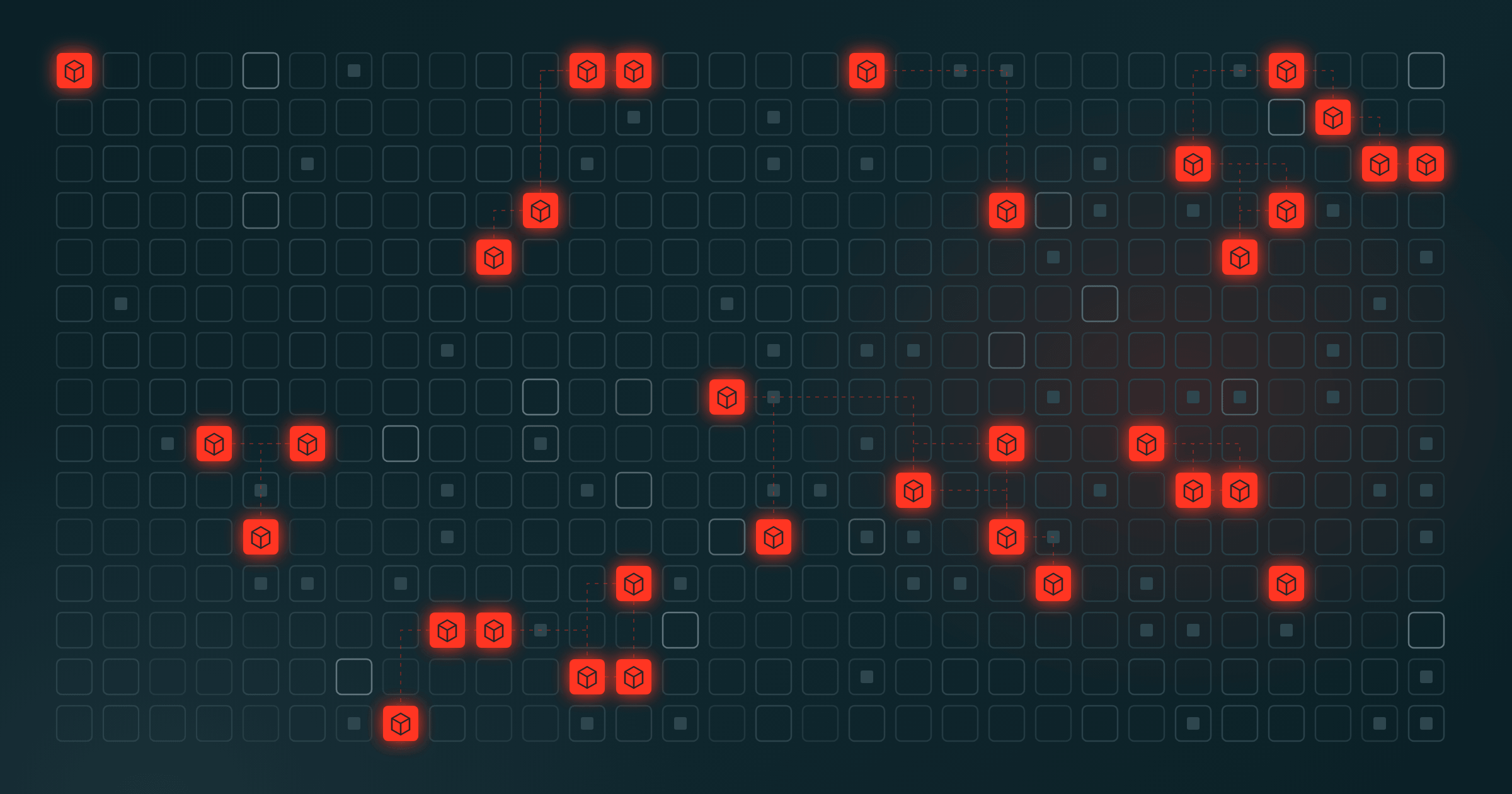
Image: Databricks
Why it mattersHalf of attacker-made npm packages run only through a lifecycle script. Blocking those scripts in CI cancels the attack on a group that size.
Install-script blocking in npm has sat as advice for years. No one has had a number for it. Databricks Threat Research now gives one. The team studied 5,400 malicious npm packages found between December 2025 and October 2026. 54 percent "declare at least one lifecycle script". Blocking those scripts in CI cancels that whole group at install time.
The report was written by Alessandra Rizzo, Panos Sakkos and Ariel Ropek. It was published on 23 November 2026. It is the first of a planned series from Databricks on supply chain threats.
The shape of the 5,400
89 percent of the packages were created by attackers. 7 percent were legitimate packages that an attacker had compromised. The 89 percent carried only 0.2 percent of the download total. The 7 percent of compromised packages carried more than 99 percent of the downloads.
Attack behaviour is consistent across the set. 72 percent had obfuscation markers. 54 percent relied on a lifecycle script. The other 46 percent run only when an app imports the package. 30 percent reach out for a second-stage payload. 55 percent contain no operating-system-specific code.
Credential theft is the most common goal, "predominant across all months except August". 45 percent are single-class stealers. 36 percent target three or more classes of credential. Packages that go after AI assistant keys sit at 1 to 4 percent of the set. 80 percent of those are single-class stealers for AI credentials only.
Three campaigns the report names
A worm family ran in May, June and August 2026. May and August each compromised more than 100 packages. June "republished a vendor's entire scope in one day". The August worm reached its biggest victims through OIDC trusted publishing from a compromised CI environment.
A DPRK-nexus set used "multiple hundred accounts at 1 to 2 packages each". 83 percent of those accounts were registered from free-mail addresses. npm took a median of 19.5 days to remove them. 5 percent are still installable at the time of the write-up.
Five crypto-wallet stealer families self-unpublished 100 percent of the time. The registry never removed them. 37 percent of all attacker-created packages unpublish themselves, at a median of seven hours. The registry's own takedown median is 7.1 days.
What the team tells a team to do
The post names eight defences. Install-script blocking is the one with the plainest number. The team pairs it with lockfile integrity and a registry proxy. The proxy carries an allowlist or a minimum-age rule. Together these stop about half of attacker-made packages and every compromised worm version.
The other seven are short. Watch for a dependency version that adds or changes a lifecycle script. 78 percent of worm-compromised versions do so, and 23 percent also change maintainer. Give the CI job short-lived credentials. A third of worm victims read cloud credentials out of their build. Treat trusted-publishing as a signed receipt, not a guarantee. Keep secrets out of pull-request builds. Run an allowlist-based egress policy in CI. 38 percent of the packages talk to legitimate services like Cloudflare Workers and GitHub. Register your organisation's scope on the public registry so an attacker cannot. Protect the AI assistant's config file the way SSH keys are protected. Plan for an agent-operated intrusion with canary credentials.
Source
This item was written by an AI system from the linked source. Reveneau is responsible for what it publishes.
Get AI News in your inbox
New developer tools, model and agent releases, and how teams are actually using them to release software. Short, and only when there is something worth reading.