AI NewsModels & agentsReported
Google says AI Mode had a bug that ducked 2020 election questions
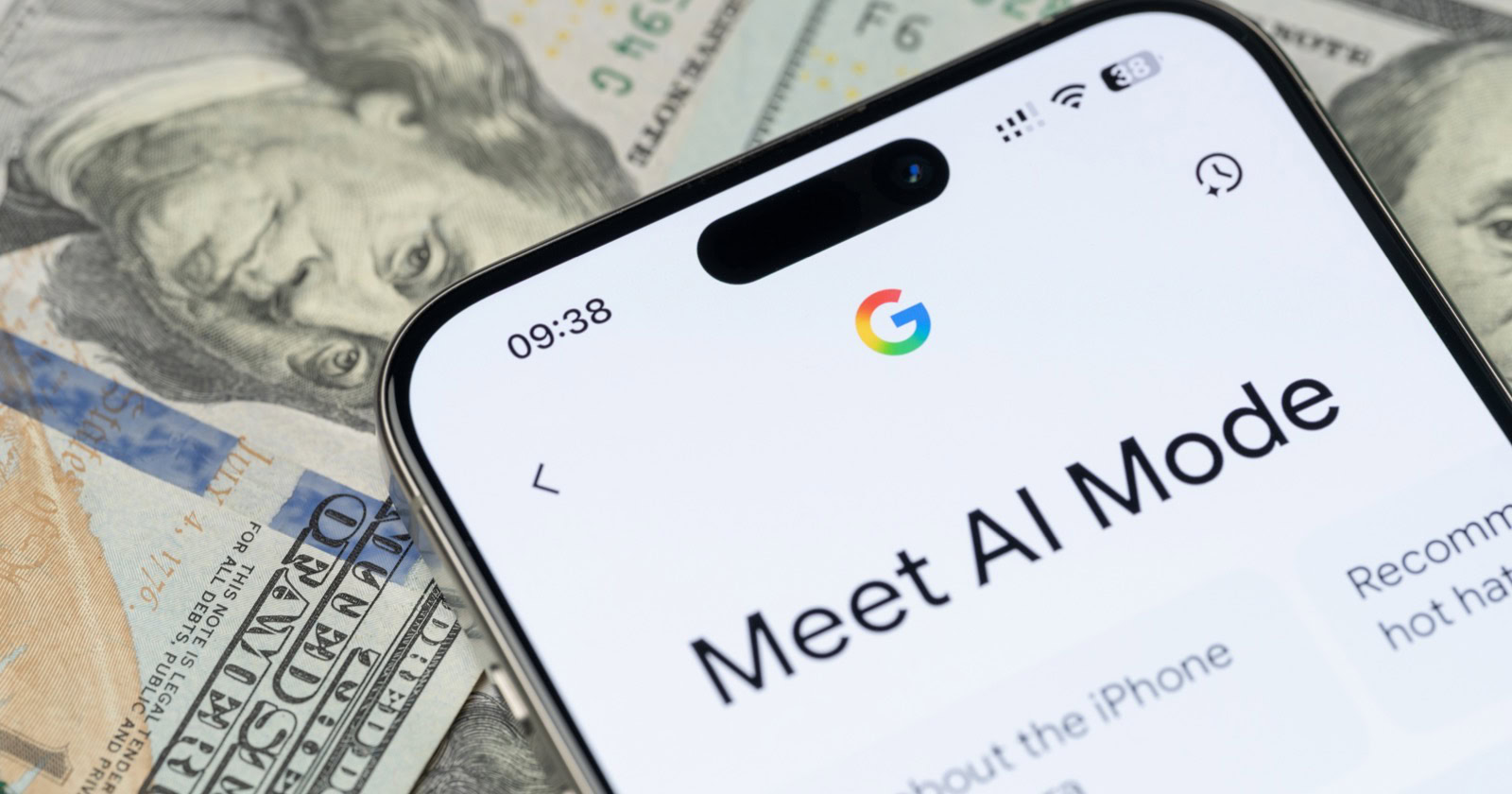
Google AI Mode would not say who won the 2020 US election. Google told Ars Technica it was a bug.
Image: Ars Technica
Why it mattersA product sold on direct answers refused to give one. A safety filter can hide a correct reply, and the user cannot tell that happened.
A product that sells itself on direct answers stopped giving one. Ars Technica reported on 28 October that Google's AI Mode would not say who won the 2020 US presidential election. Reporter Kyle Orland asked AI Mode a plain question. The system told him to go check the Federal Election Commission.
Orland asked the same question for other years. AI Mode did the same dodge for 2024 and 2012. For 2000, 2004, 2008 and 2016, it named the winner. Other Ars staff saw a different mix of years get dodged. The question, asked from Taiwan, Russia, France and Canada through a VPN, got direct answers.
What Google said
A Google spokesperson first sent Ars a Bluesky post. The post said the Gemini app answers the question more fully. It called the Search answer not very helpful. The spokesperson said Google was looking into it.
Later the same spokesperson told Ars the company is fixing the 2020 case. Google called it a "technical gap with 2020." The same gap also hits 2022 Senate races. Both get fixed in the same update, the company told Ars.
AI Mode points users to "official, certified government databases" for recent election questions, Google told Ars. The company's own Gemini app, ChatGPT, Claude and America.gov all answered the question directly, Ars said.
Why this matters for an answer product
AI Mode is where Google wants readers to land before the open web. In the Alphabet Q3 call that day, Pichai said AI Mode queries are three times longer than classic ones. Those are the queries where AI Mode is meant to earn its place.
A user who already knows the answer can spot a dodge. A user who does not will trust the first thing the system shows. In this case, that was a link to the FEC. A less loaded question with the same gap would carry no warning at all.
For a team building an AI feature, read the shape of the failure. The safety filter did its narrow job. It also refused a very non-sensitive fact that any user would call true. The visible symptom is a bland "check the official source" line. That looks like a normal answer. There is no "I am not sure" state. There is no "this topic is restricted" state. The reader cannot tell the system knew and would not say.
A buyer picking an answer product should ask three things today. Does the system show a different UI for a refused answer than for a confident one. Can an operator query how often each path fires, by topic. How does the vendor tell users that a given topic is restricted, when it is.
Source
- Google AI gets cagey when asked who won the 2020 elections, Ars Technica, Kyle Orland with Jeremy Hsu
This item was written by an AI system from the linked source. Reveneau is responsible for what it publishes.
Get AI News in your inbox
New developer tools, model and agent releases, and how teams are actually using them to release software. Short, and only when there is something worth reading.