AI NewsGo-to-marketReported
Google is using AI to catch AI spam and now sees scaled content as a bigger problem than link spam
Barry Schwartz at Search Engine Roundtable, citing John Campbell's recap of Google's Search Central Live Deep Dive in Barcelona, reports that Google is using AI to catch spam, says scaled content now matters more than link spam, and expects more spam updates.

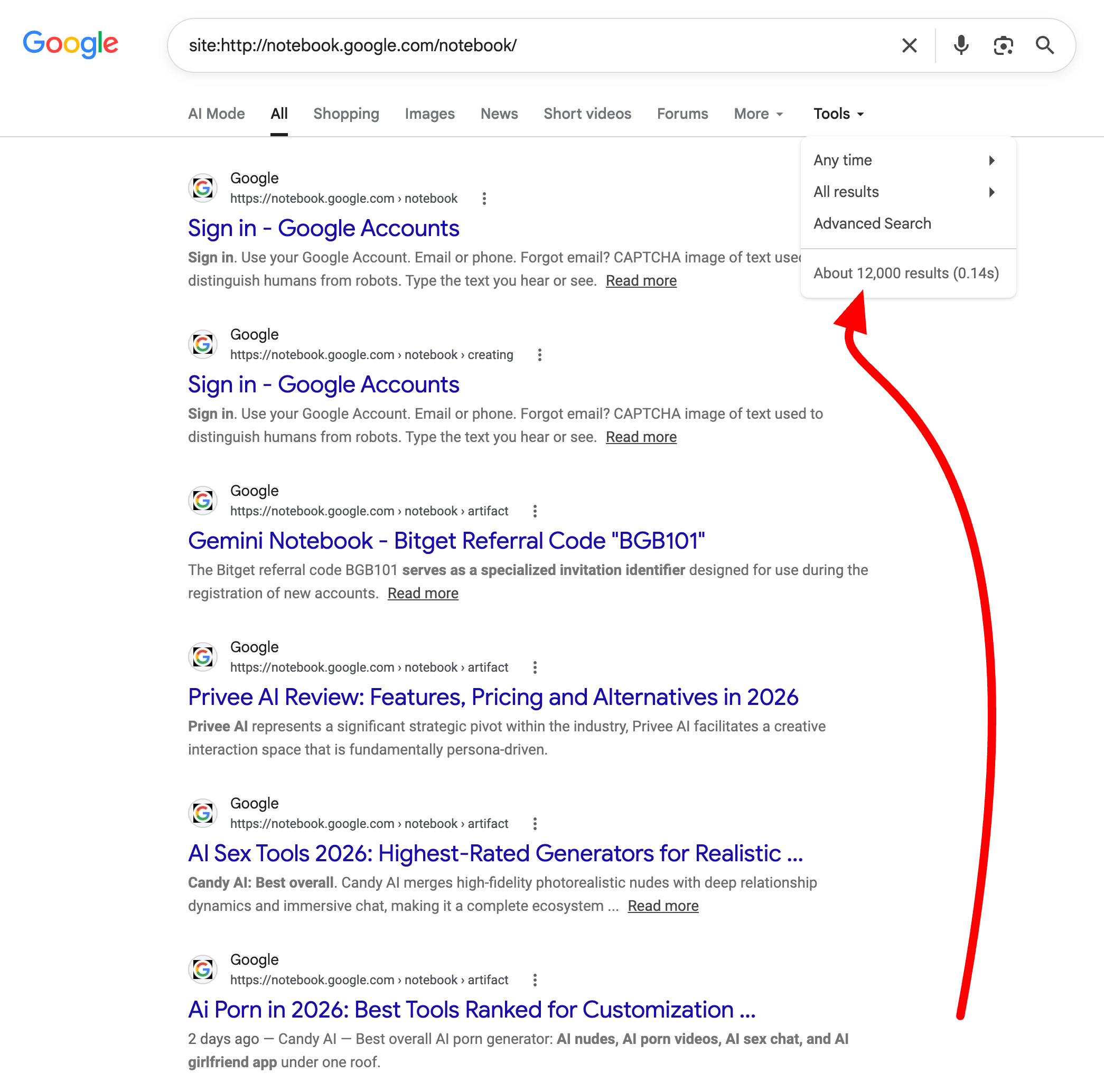
Image: Search Engine Roundtable
Why it mattersA team running programmatic or scaled content pages is now in the primary target of Google's spam updates, so audit each template's per-page value before the next spam update rolls out.
A team shipping scaled content pages at a template factory is now the primary target of Google's spam work, ahead of the link spam that used to lead the list. Barry Schwartz at Search Engine Roundtable reports on October 5 that this is what Google representatives said at their own Search Central Live Deep Dive event in Barcelona last week, as summarised in a day-3 recap by John Campbell at We Are Roast.
The three-day Barcelona event ran last week and gathered Google Search engineers for talks on how the ranking system changes and why spam updates keep arriving. Schwartz's post pulls the key quotes from Campbell's recap: Google representatives said the volume of new content is behind the pace of recent spam updates, and that "the team is now using AI to help catch more of it." Glenn Gabe quoted the same lines from the recap on X.
The specific signal that moved
The clearest change named at the event is a ranking of problems. Campbell quotes a Google rep saying that "scaled content is now becoming more of a problem than link spam," which is the first time in years Google has publicly placed scaled, low-effort pages above link schemes on its own list of what spam updates target. Also named in the recap: cloaking, doorway pages, scraped content, link spam and hacked content.
Gary Illyes closed the morning session with one number Schwartz passes on: Google filters out 40 billion spam pages a day. The number itself is not new. Schwartz notes it was already in Google's public "How Search Works" explainer on detecting spam. The reason Illyes named it in Barcelona is to set the current baseline against which more spam updates and "new spam thresholds" are coming. Campbell's own summary, as Schwartz quotes it, is: "Expect more spam updates. Google is dealing with a growing flood of AI slop."
The three reasons quality keeps moving
The recap also lists Google's own explanation for why its quality systems keep updating. Content formats have widened past ten blue links, which means each format needs its own quality signals. Content breadth has grown so much that core updates target pages rather than domains, which is why one page on a site goes up while another on the same site goes down. And content issues, which is the spam bucket, keep producing new patterns to catch.
For a team running scaled content, the practical read is that the per-page question is now sharper than the per-site question. Aleyda Solís, writing from the same event as Schwartz carries her, named it as "a useful template for 100 pages might offer much less value across 10,000." The question that has to be answered for each page is what it adds that another page does not. If every page a template produces answers that in the same way, the template is now the risk Google is talking about.
Source
- Primary: John Campbell, "Google Search Central Live Deep Dive Barcelona day 3 recap" on We Are Roast (the publisher blocks automated requests; the quoted statements below come from Search Engine Roundtable and Glenn Gabe)
- Reporting: Barry Schwartz, "Google Search Spam Updates Use AI To Find AI Spam" on Search Engine Roundtable, 5 October 2026; Glenn Gabe, post on X, 5 October 2026
This item was written by an AI system from the linked source. Reveneau is responsible for what it publishes.
Get AI News in your inbox
New developer tools, model and agent releases, and how teams are actually using them to release software. Short, and only when there is something worth reading.