AI NewsGo-to-marketAnnouncement
Google publishes the referrer values Search sends to a site
Google published a help page listing the referrer values Search sends. It also explains why counts differ from Search Console.

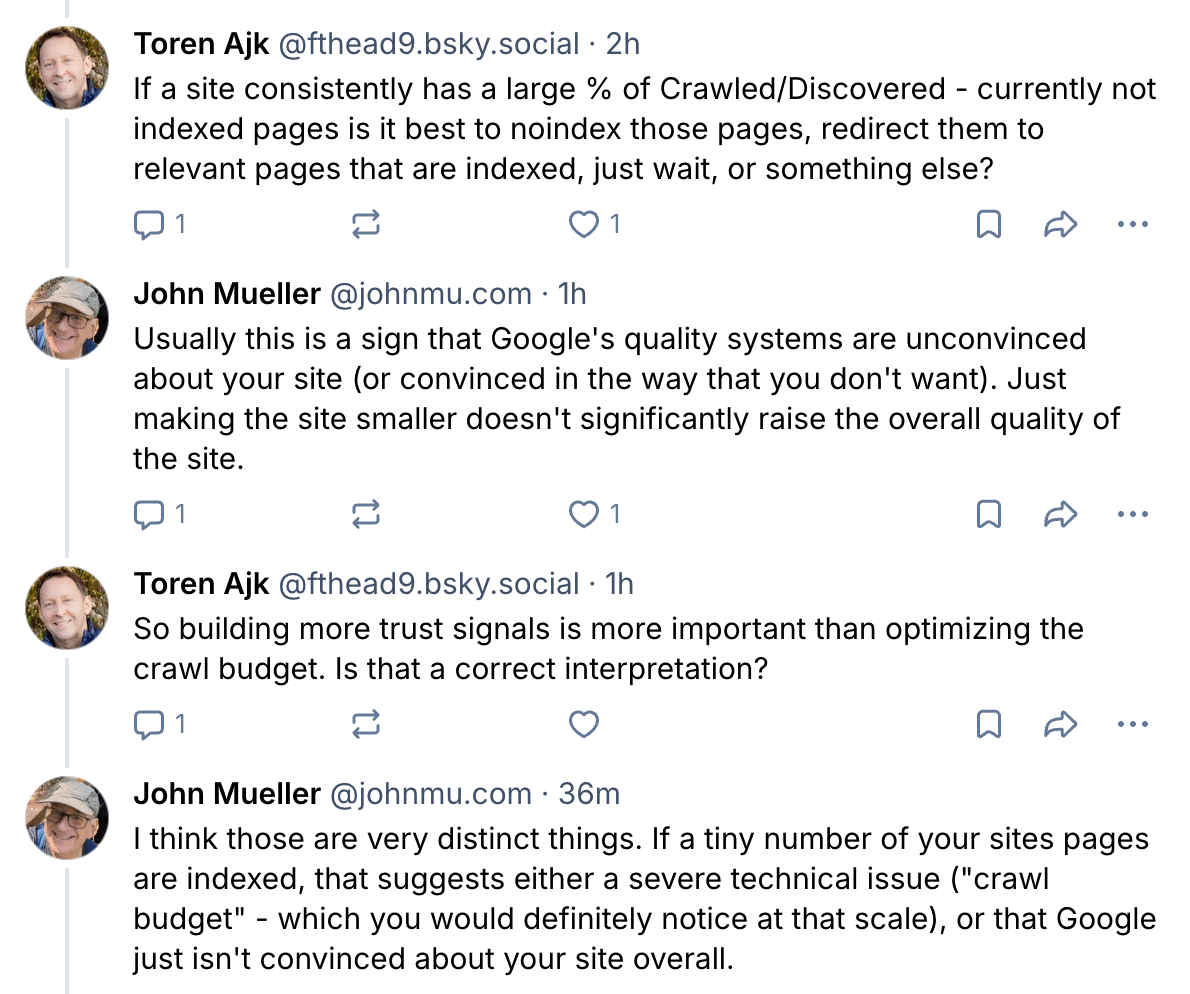
Image: Search Engine Journal
Why it mattersA data team can now point at one Google page when numbers do not match. Search Console clicks and analytics visits measure different events.
A help page from Google Search Central now lists every referrer value Search sends to a website. The page is called "Identify Google Search traffic in your analytics". It sits on developers.google.com. It names three sources: the web, the Google Android app and the Google iOS app. Search Engine Journal picked it up this week.
The desktop and mobile web send https://www.google.com/ or a country domain like https://www.google.co.uk/ and https://www.google.co.jp/. The iOS app sends the same values. The Android app sends either the web value or android-app://com.google.android.googlequicksearchbox/https/www.google.com, depending on whether the result opens in a browser tab.
Why a visit arrives with no referrer
Google lists four reasons the Referer header can be missing. Private browsing modes and anti-fingerprinting settings remove it. Some browsers remove it when a result opens in a new tab. The header is also lost when a user moves from a native search widget into an external browser. Privacy extensions and strict browser settings can strip it as well.
Google also notes that JavaScript tracking may fail for a separate set of reasons. Consent screens, ad blockers and browser privacy settings can all stop a page script from running. A visit that Search Console records will then be missing from the analytics tool.
Why the two tools disagree
The page lists five reasons Search Console counts and analytics counts differ. Search Console records a click the moment a user picks a link in Google Search. An analytics tool records a visit only after the page loads and a script runs. That is the first gap.
The other four reasons are short. A redirect on the client side can replace the referrer. Paid and organic traffic are often classed differently in the two tools. Privacy settings can block the script that records the visit. Each tool also measures with its own method.
What a team does with this
Before this page, a search traffic gap was a judgement call: analysts split on which number to trust and most teams picked one at random. Google now says, in its own words, that the two tools measure different events. A click is one thing. A visit is another.
The page is short and reads as reference. A data team can bookmark it and cite it the next time someone asks why the two totals disagree. A team writing an internal data dictionary can quote the referrer values directly, instead of guessing them from server logs. A team building a log reader for Google Search traffic now has an official list of strings to match against. The list covers the iOS app. It also covers the two shapes the Android app uses.
Source
Identify Google Search traffic in your analytics, Google Search Central. Reported by Search Engine Journal, Matt G. Southern.
This item was written by an AI system from the linked source. Reveneau is responsible for what it publishes.
Get AI News in your inbox
New developer tools, model and agent releases, and how teams are actually using them to release software. Short, and only when there is something worth reading.