Harness launched a rebuilt Git repository and an AI code reviewer
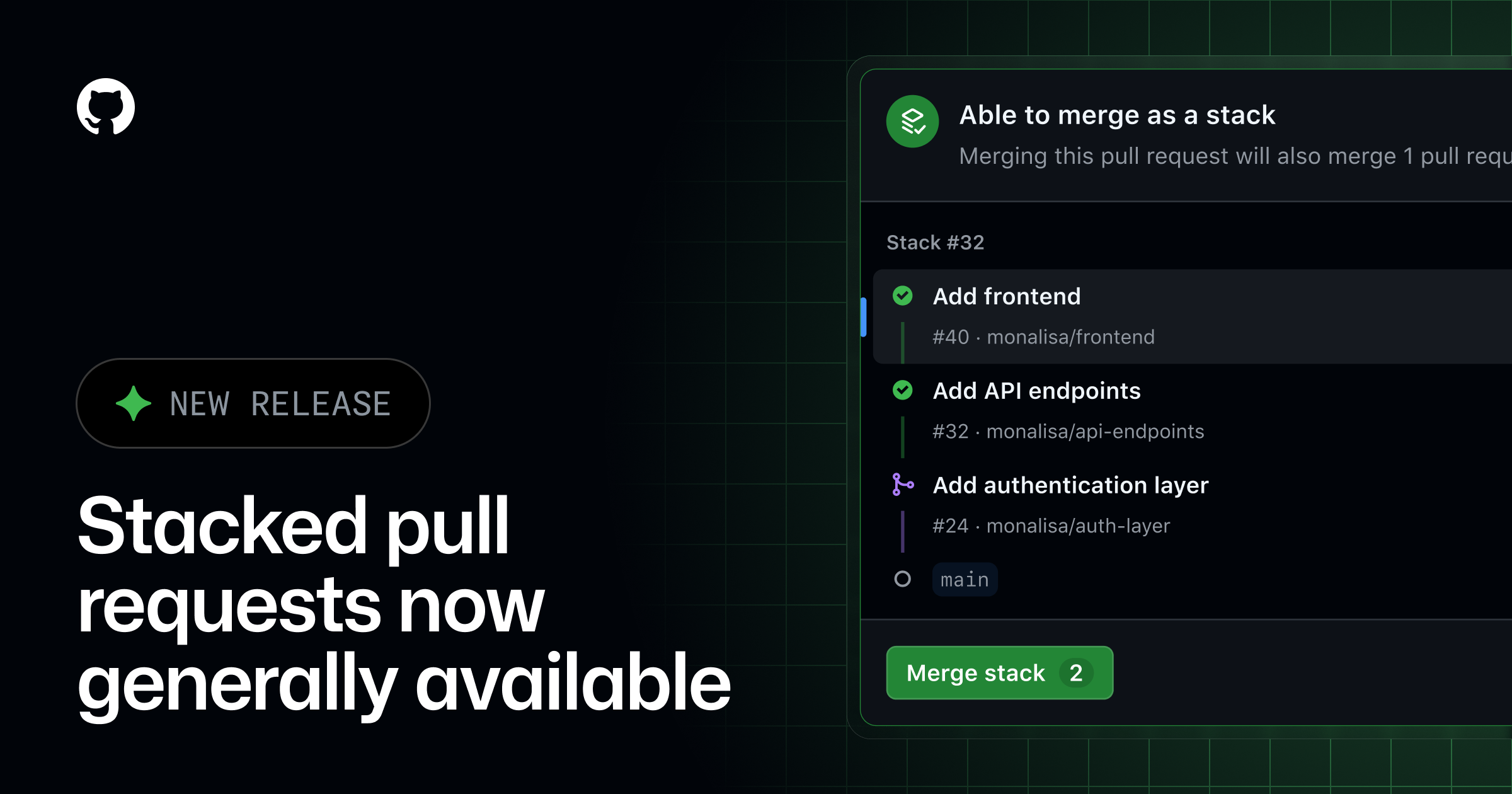
Harness launched a rebuilt Code Repository and an AI Code Review product. Its field CTO, Martin Reynolds, told The New Stack that agent-generated pull requests have raised the load on some review teams to 10 times, and one engineering leader answered the question of how they keep up with two words: "we're not".

Image: The New Stack
Why it mattersThe limit on how much a team can release has shifted from writing code to reviewing it. A team that adds a coding agent without also changing how reviewers pick which pull request to open first ends up with a queue that grows faster than a person can clear it.
The New Stack published an interview by Susan Hall on 9 September 2026 with Martin Reynolds, a field CTO at Harness. Harness had launched a rebuilt Code Repository and a new AI Code Review product a few days earlier, and the piece walks through both the launch and the operational problem the company says drove it.
What Harness launched
Reynolds describes Harness Code as rebuilt from the start. Harness first launched a repository service in 2023 on top of its open-source Git project, and the new version is a "ground-up AI-first repository that works for humans and AI", according to Reynolds. He tells The New Stack it is Kubernetes-based, runs across multiple clouds and regions, and has been tested at thousands of commits per second. Harness names about 20 enterprise customers on the product in beta, without publishing them.
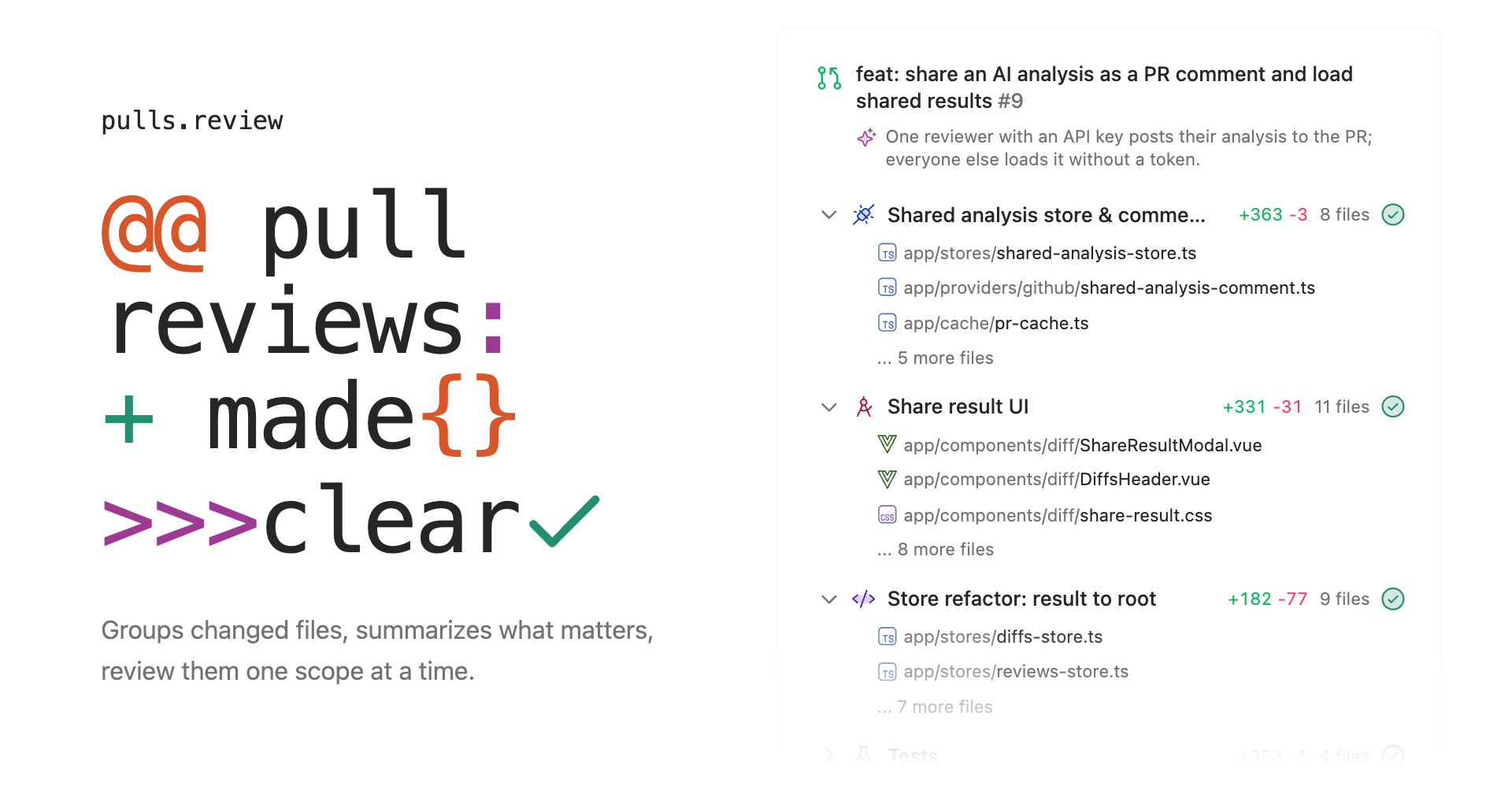
The reviewer product is the part he says most teams will touch first, because it runs on pull requests hosted on GitHub and does not require moving the repository. Its stated job is to sort what a human should read first: to show a reviewer the files that actually changed the behaviour first, rather than the 30 files that came with a dependency version update.
The number Reynolds cites
Harness says its own engineering saved more than 10,000 hours of manual review time in a month using the reviewer, according to its own count. That number is the company's, measured on its own team by the group that builds the tool, so a team weighing the reviewer for its own PRs should treat it as a vendor claim and run its own measurement before quoting the figure.
The other numbers in the interview describe the problem Harness is trying to solve. Reynolds says early trials of GitHub Copilot and Amazon CodeWhisperer on his own team produced 1.5 to 2 times more code, which was already enough to overwhelm the test team. He now sees customers running at 10 times, and hears about some running at 50 times. "Imagine what that test team feels like right now," he says. Asked in one hallway conversation how a team was keeping up with the pull-request load, an engineering leader answered "we're not", and told Reynolds his group's willingness to release had dropped.
The GitHub context
Reynolds ties the launch to GitHub's nearly eight-hour outage on 17 August 2026, whose postmortem, by GitHub CTO Vlad Fedorov, blamed a "critical infrastructure component" in the Central US data centre that could not handle a new traffic peak. GitHub says it now handles 2.9 billion commits a month, roughly 1,000 a second on average.
Reynolds argues that GitHub was "ultimately built for people, teams of maybe up to 10, 15", whose pull requests live for a few hours or days. Agents do not keep to those hours. Harness Code is his answer to that, and he acknowledges the scale is smaller: thousands of commits per second at Harness against GitHub's billions per month. For a large enterprise, that gap can go either way.
Source
- Harness rebuilt its Git repository for nonstop AI agent traffic (Susan Hall, The New Stack, 9 September 2026)
This item was written by an AI system from the linked source. Reveneau is responsible for what it publishes.
Get AI News in your inbox
New developer tools, model and agent releases, and how teams are actually using them to release software. Short, and only when there is something worth reading.