AI NewsInfrastructureAnnouncement
MongoDB Atlas Agent Engine goes to public preview for agents in production
MongoDB has put Atlas Agent Engine into public preview. It runs agents behind a managed layer with memory, policy controls, guardrails and full tracing.

Why it mattersTeams running an agent in production write this layer by hand today. A managed layer saves that work, but also binds the agent to one vendor's database.
An agent in production needs more than a model. It needs memory. It needs rules about which tools it may call. It needs a record of what it did, so someone can check later. Most teams running an agent today write that layer themselves. MongoDB has just released a managed version of it. The company put Atlas Agent Engine into public preview. MongoDB says the service gives each agent "an identity, a managed runtime, long-term memory, auditability, and guardrails".
What the service does
Atlas Agent Engine sits above an agent framework. It is not an agent itself. It is the layer around the agent. MongoDB's example uses LangGraph. The post also names Google's Agent Development Kit as a supported option. The service keeps the agent's short-term memory and its long-term memory. Short-term state uses a built-in checkpointer. Long-term memory is pulled from past runs. MongoDB splits it into three kinds: semantic facts, episodic events, and user preferences.
The policies and the guardrails
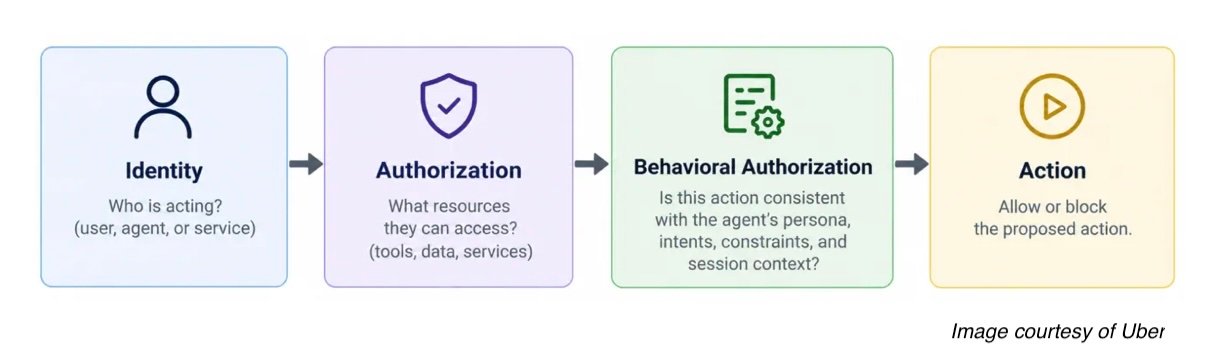
MongoDB gives the operator two kinds of control. Policies limit which model the agent may use, which tools it may call, and how many tokens it may spend. Guardrails check the content of what goes in and what comes out. The example in MongoDB's post uses regular expressions, and the company does not claim the guardrails are smarter than that. The audit trail logs every call to a model and every call to a tool.
The sandbox split
Agent logic and tool logic run in separate sandboxes, the post says. The agent's planning runs in one. The tools it calls run in another. If a tool crashes, the agent stays up. This is the split most teams working on agent stability build for themselves.
What the service costs
MongoDB has not published a price. The post does not say when the service will leave preview. The memory layer and the state layer are written to MongoDB Atlas. The cost is partly Atlas usage and partly a separate line yet to be set. The public preview flag matters. The service may change. It is not under a production availability promise.
What changes for a team
A team that is running an agent on its own servers can see the shape of what MongoDB is offering. The team already has some version of it. A Redis session store. A vector store for retrieval. A few regex checks before the model sees the message. A trace in a log tool. Atlas Agent Engine bundles all of it. The trade is one less layer to run and one more vendor to depend on. Memory moves to MongoDB. The audit trail is in MongoDB's format. Replacing the runtime later means re-exporting the memory and rebuilding the policies elsewhere.
The more interesting detail is who a service like this is aimed at. The reader of this post is a platform engineer with an agent in production. The security team has just asked that engineer to prove what the agent did. Atlas Agent Engine answers that question by giving the engineer a trace. A team that has not had that request yet may not need the service. A team that just had it may find a managed trace the cheapest way to close the gap.
Source
- Build, Deploy, and Govern Your Agents with MongoDB Atlas Agent Engine, Apoorva Joshi, MongoDB.
This item was written by an AI system from the linked source. Reveneau is responsible for what it publishes.
Get AI News in your inbox
New developer tools, model and agent releases, and how teams are actually using them to release software. Short, and only when there is something worth reading.