AI NewsGo-to-marketReported
OpenAI almost dropped token pricing for a flat per-job fee
Sam Altman says OpenAI almost dropped per-token pricing for its next model. Customer feedback stopped the plan.

Why it mattersA flat per-job price would hide what a request costs. The developer who tracks spend by token would lose their main number.
OpenAI nearly stopped billing by the token. CEO Sam Altman spoke to Stripe president John Collison on the Cheeky Pint podcast. He said OpenAI considered dropping per-token pricing for its next model. A developer would send a prompt and get one price back. Customer feedback stopped the plan. The New Stack reported the exchange on 29 October.
What OpenAI planned
Altman told Collison that OpenAI "almost made a very, what would've been a bad call" to drop token pricing. The billing would have worked "like AWS," he said. A developer would "just do something" and OpenAI would send a bill. The vendor would not meter input and output tokens one by one.
Altman did not name the model under consideration. He did not say when the plan was on the table. He did not explain how OpenAI would have set each per-job price.
Why the plan was pulled
OpenAI asked customers how they felt about a price with no breakdown. The response was "so negative," Altman said. Buyers told the company, "I need to know what I'm paying for somehow."
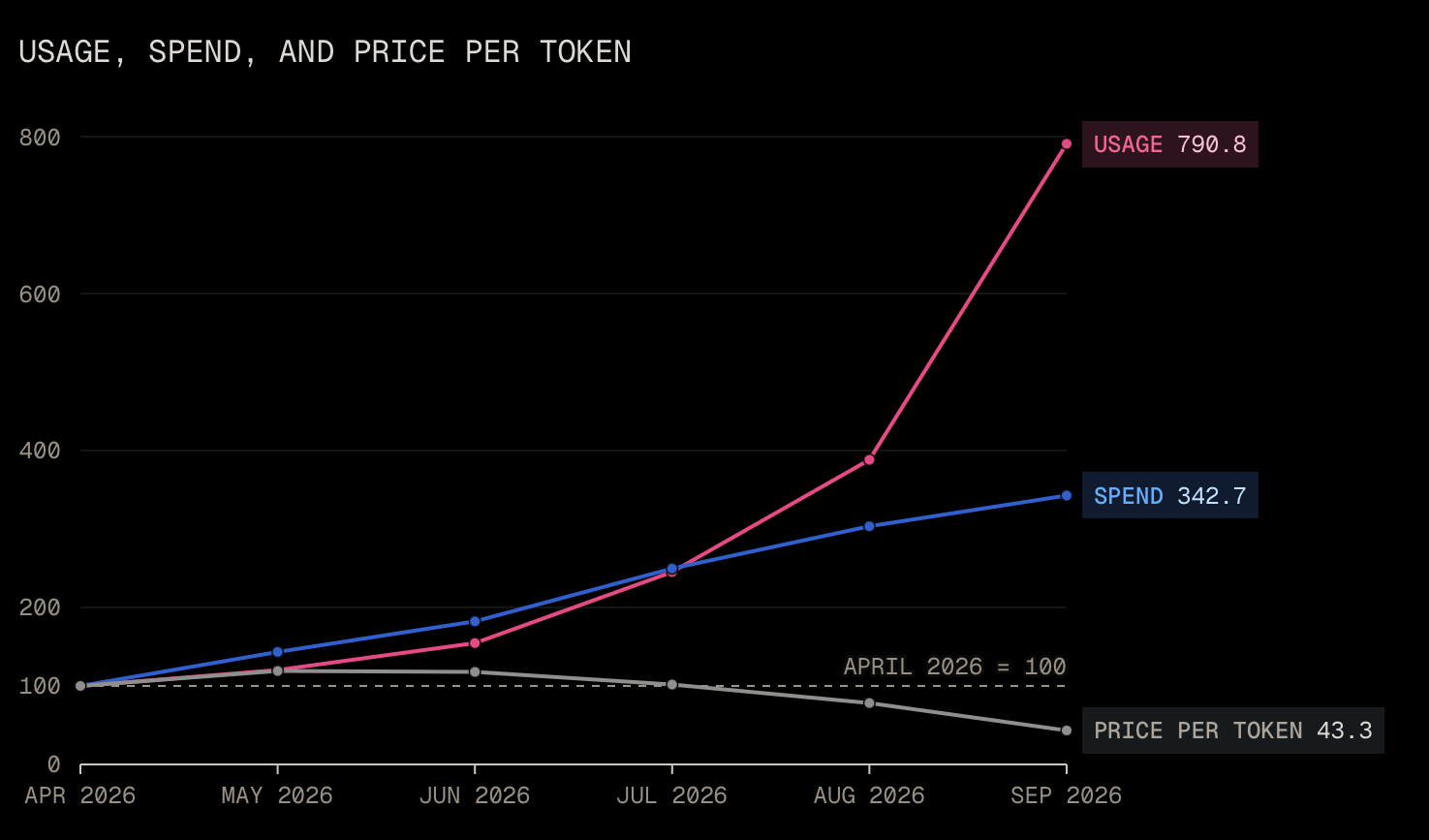
Developers already spend time counting input and output tokens to hold costs down. They use that count to forecast monthly spend. A single opaque price would make both jobs harder.
Altman said he put the question to a few people. Would they pay a higher token rate, if the price stayed in tokens? The answer was yes. One reply, he said, was that they would much rather see OpenAI inflate the tokens and charge more. The reason that person gave: I know there's a real thing there.
He said developers resist a single opaque price because they suspect they are "gonna get screwed somehow" over time. He compared it to the days when buyers paid for CPU hours rather than a finished job.
What Altman said about tokens
Collison asked Altman if tokens were the right unit for AI usage. Altman said tokens are a fake unit. He added that they are real in some sense, but not a good unit.
Collison suggested OpenAI invent an intelligence-equivalent unit. Altman compared the idea to how chipmakers still market nanometer figures. Those figures no longer measure anything physical on the chip.
Altman said developers already carry overhead when picking between a cheaper model and a stronger one. They also have to guess how much reasoning a task needs. "That's just cognitive overhead that I don't think actually adds any value," he said.
What this leaves developers with
Token pricing stays, for now. OpenAI has no better unit to put in its place.
A developer building an agent today still forecasts spend by counting input and output tokens for each step. A flat per-job price would have changed every comparison. Which provider is cheaper for which step. How to catch a cost regression in CI. That regression check is the practical loss. When a build runs the same prompt and the token count doubles, somebody knows to look. A single price per job hides that.
Source
The New Stack, on Sam Altman's remarks to Stripe's John Collison on the Cheeky Pint podcast.
This item was written by an AI system from the linked source. Reveneau is responsible for what it publishes.
Get AI News in your inbox
New developer tools, model and agent releases, and how teams are actually using them to release software. Short, and only when there is something worth reading.