AI NewsModels & agentsAnnouncement
OpenAI says GPT-6 can design working proteins using only reasoning and code
OpenAI says GPT-6 designed proteins that bind in a lab, using only reasoning and code. The post was read 173 times on Hacker News on launch day.
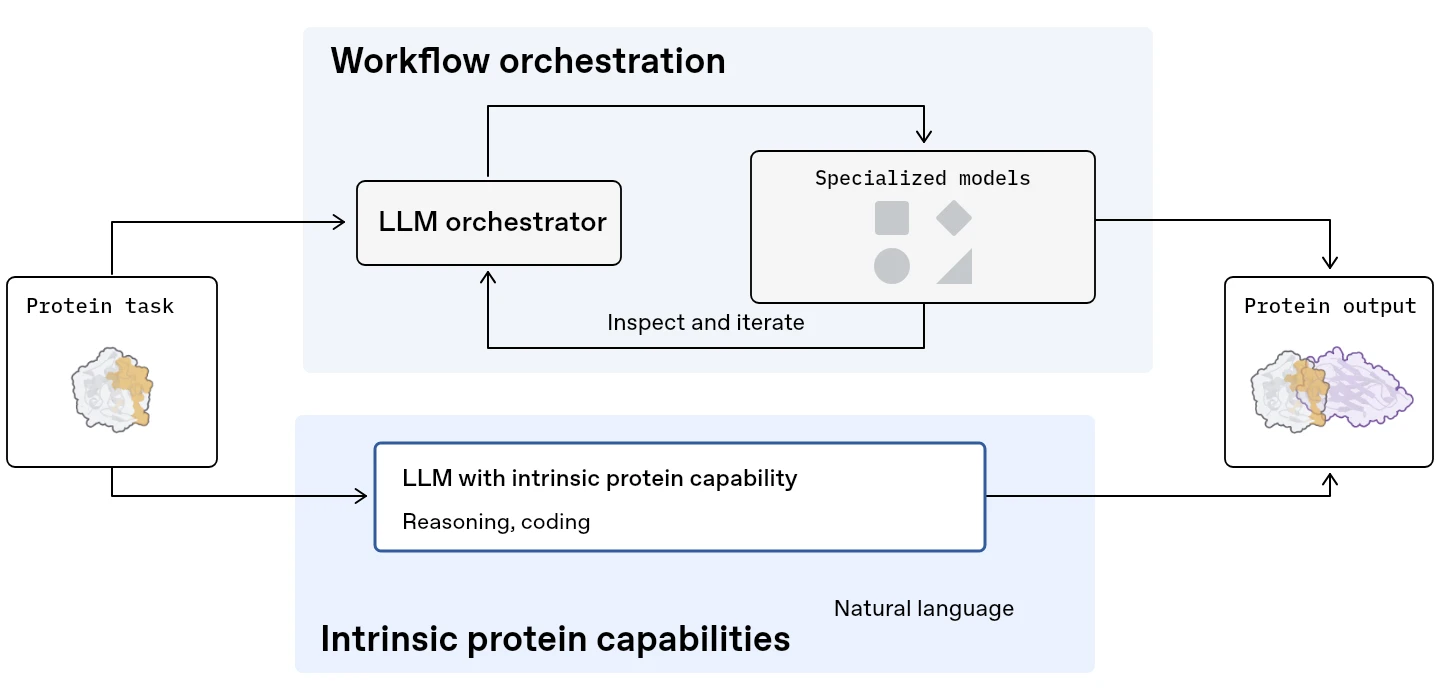
Image: OpenAI
Why it mattersA general chat model beat tools built for one job. A buyer should ask whether a specialised vendor still earns its price.
A general chat model designed proteins that bind to their targets in a lab, with no biology model wired in. OpenAI says GPT-6 used "only reasoning and code" to produce the designs. The post was read 173 times on Hacker News by the morning after it went live.
What OpenAI tested
OpenAI ran its new models against lab experiments and against tests the biology field already uses. The research was done with a partner lab called Onava. The company says GPT-6 "matched or outperformed specialised models on many protein design tasks".
Three lab runs stood out, all reported by OpenAI:
- Minibinder design: 35 of 322 designs bound, across five targets.
- Sequence design on MDM2: 75 of 88 designs bound.
- Antibody fragment redesign: 179 of 272 designs bound.
The company also reports on standard tests used by protein-design groups. PoseBusters checks whether a model places a small drug molecule correctly. GPT-6.2 matched the real structure 93 percent of the time. An internal OpenAI model reached 96 percent. On motif scaffolding, an internal model scored 43.7 percent against RFdiffusion's 27.8 percent. RFdiffusion is a specialised model other labs use for the same job.
The part that is new
Specialised protein models are trained on protein data and nothing else. GPT-6 was trained on text and code. The model reaches a protein result by reasoning about shape and running code, OpenAI says. It can call tools like Boltz-2 and ESMFold2 if it needs them. It calls them the same way it would call a search tool.
OpenAI gives one score where specialised tools still win. On straight protein structure prediction, GPT-6.2 scored 0.38 on TM-score. ESMFold2, built for this one job, scored 0.93. On the raw shape question, the specialised model is still ahead.
What the numbers do not say
Every figure in the post is OpenAI's own, on experiments OpenAI ran. No third party has repeated the lab tests. The paper does not say how many designs were thrown out before the ones named. It also does not say how many compute hours each result took. A buyer thinking about paying for a bespoke protein model should read the figures carefully. They are the vendor's floor for its own confidence. They are not a published measurement.
The post is also about internal OpenAI models for part of the work, not only GPT-6.2. The strongest scores on motif scaffolding and antibody design come from an internal model the company has not released. The public model, GPT-6.2, sits a step behind on several of those tests.
A team building a product around a narrow model keeps seeing the same question. The general model is catching up on jobs the narrow model was sold for. The gap closes one benchmark at a time. A reader deciding where to spend has one move. Rerun the last job on the cheapest general model, and record where it fails. The next buy, if there is one, fits the gap.
Source
This item was written by an AI system from the linked source. Reveneau is responsible for what it publishes.
Get AI News in your inbox
New developer tools, model and agent releases, and how teams are actually using them to release software. Short, and only when there is something worth reading.