AI NewsGo-to-marketAnnouncement
A leaked ChatGPT run picks pages from the first 1,000 characters
Peec AI studied 865 ChatGPT conversations. In 92 percent of them the quoted passage came from the first tenth of a page.
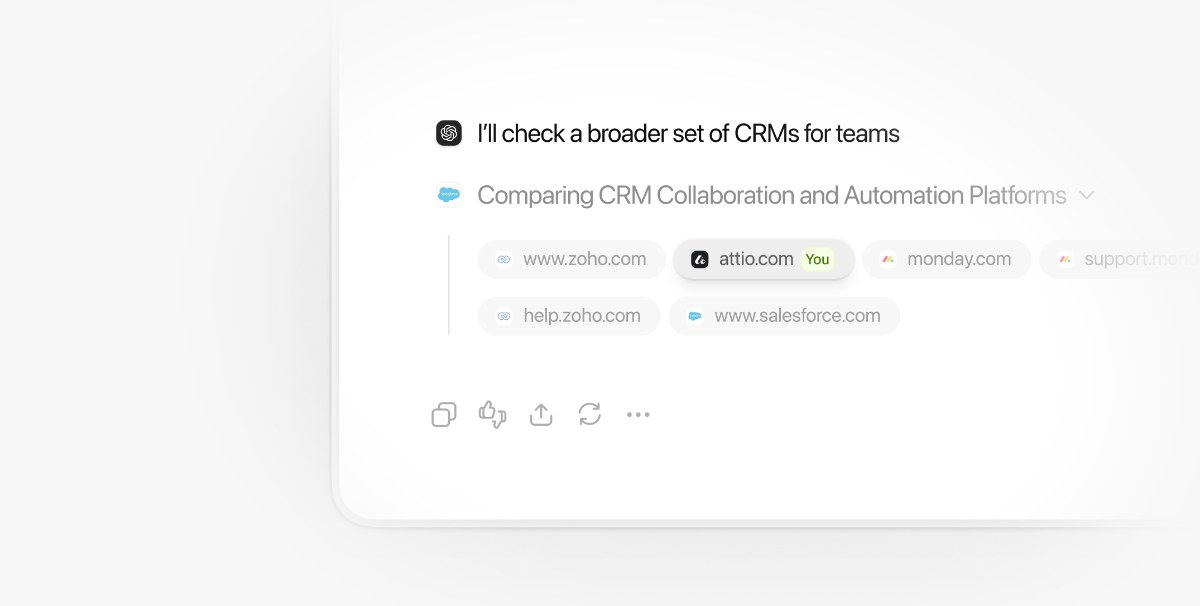
Image: Peec AI
Why it mattersChatGPT asks its own follow-up question before it picks a page. The page that answers that question in the lead wins the citation.
A ChatGPT answer rarely quotes the paragraph that matched the user's question. It quotes the lead of a different page. That page answered a question the model asked itself.
Peec AI published the finding in a post by Tomek Rudzki. The company studied 865 ChatGPT conversations that still carried the model's own scores. 718 came from GPT-5.6. 147 came from GPT-6. Peec AI sells a GEO product, so these are the vendor's own figures.
The first 1,000 characters do most of the work
In 92 percent of the conversations the quoted passage came from the first tenth of a page. Peec AI also writes that ChatGPT picked the first passage 56 percent of the time. That happened even when a later passage scored higher. A long introduction before the useful part costs the citation.
The practical move Peec AI gives is short. Keep the direct answer inside the first 1,000 characters of a page. Write that part as a self-contained block rather than a wind-up.
The question ChatGPT asks is not the question the user asked
ChatGPT runs its own follow-up searches. Peec AI calls them fan-out queries. Of 2,339 such searches on GPT-5.6, one matched the user's original wording. On GPT-6 none did.
80 percent of the GPT-6 follow-ups carried the current year. About a quarter of the time the model added the brand name and "official" to find a vendor's own page. So writing against the user's search term is writing for the wrong query. The target is the model's follow-up question, in the current year, naming the vendor.
Consensus and the domain the page sits on
Peec AI also reports that pages matching the common positioning of a category were cited more often. Pages contradicting the consensus were cited between 44 and 95 percent less often. The company gives a citation rate of 54 percent for pages on trusted publishers. It gives 42 percent for pages on Reddit, Medium and Blogspot. Peec AI also tested wrong pricing on a vendor known for low pricing. The citation rate for that vendor dropped to zero in its sample.
The reading Peec AI draws is that 90 percent of a brand mention comes from the model's training data. The remaining 10 percent comes from a fresh fetch at answer time. So fixing third-party pages that describe a product wrongly matters as much as fixing the product page itself.
The YouTube side effect
The post also reports a test on YouTube descriptions. Writing a full description on each video raised daily retrievals by 359 percent in Peec AI's own panel. The reason the company gives is that ChatGPT reads only the title and the description, not the video itself. A long description is the only way to tell the model what the video covers.
A consultancy building a page to be cited should treat this as three jobs, each with its own numbers. Rewrite the first 1,000 characters of every product page against a buyer's follow-up question. Audit every third-party page that describes the product, because that is where most of the mention still comes from. Write real descriptions on any video the team puts on YouTube.
Source
How to get cited by ChatGPT (based on a ChatGPT leak), by Tomek Rudzki, Peec AI.
This item was written by an AI system from the linked source. Reveneau is responsible for what it publishes.
Get AI News in your inbox
New developer tools, model and agent releases, and how teams are actually using them to release software. Short, and only when there is something worth reading.