AI NewsModels & agentsAnnouncement
Preload sells robotics teams tactile and muscle data from human hands
Preload launched on Y Combinator with 10 votes and a dataset of tactile and muscle signals from human hands. Physical AI teams are the customer.

Why it mattersA robot trained on video only sees what hands look like from outside. Preload sells pressure and muscle signals from inside the task as training data.
Most robotics teams train on video. A camera watches a hand picking up a cup, and the model learns what that looks like from outside. The part the hand actually knows is left out. How heavy the cup is. Where the grip starts to slip. How much pressure the thumb needs when the handle twists. Preload, a startup that just launched on Y Combinator, is selling that missing half as training data.
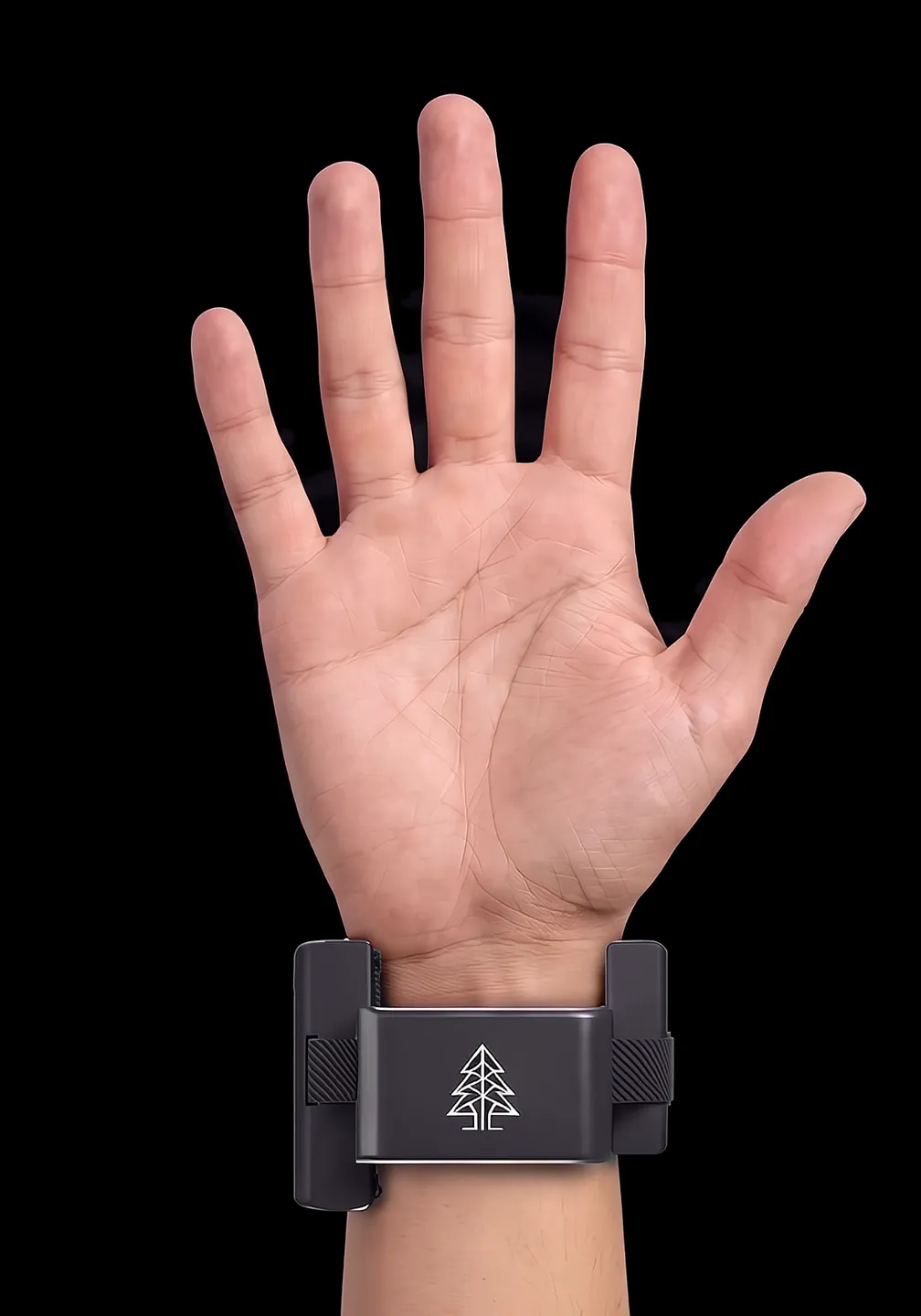
The company captures "how humans actually use their hands: what they see, what they feel, and what their muscles do", the founders write. Preload records three signals at once from a wearer. A camera on the head records what the eye sees. Tactile gloves record contact and pressure at each fingertip. Surface EMG records the muscle activity behind the motion.
The dataset and the customer
The YC launch page shows 10 votes at the time of writing. It describes a dataset of "350+ hours" so far. The three founders are Leo Li, Surya Pandiaraju and Runming (Tony) Wang. The product is aimed at physical AI and robotics teams. "If dexterous manipulation is your bottleneck, we'd love to talk about custom datasets", the page reads.
The money question is who needs this. A humanoid robot folding laundry fails at the same step every time: the moment the fabric catches on itself and the fingers have to loosen. A model trained on video can watch that happen a thousand times and still not know what the hand felt. EMG and tactile data carry the motor intent behind the motion.
The gap in the method
What the launch does not do is claim the dataset is enough on its own. Preload is selling a stream of signals. A team's own model has to learn from them. Whether 350 hours is useful depends on the task mix in those hours. The launch page does not list that mix. A dataset heavy on kitchen tasks will not help a warehouse robot sorting parts.
The company's own framing is narrow. Preload is a data company for physical AI. It sells to the firms building robots. That is a less crowded part of the market than the robot makers themselves. It also depends on them continuing to spend.
What this says about the field
A year ago, the argument was whether a single model could handle physical tasks at all. The argument now is which signals a model needs to handle them well. A firm whose whole product is a sensor stream is a vote on the second argument. If you work on anything that touches the physical world, ask the next vendor demo one question. What did the training data include besides video?
Source
Y Combinator, Preload: What expert hands see, feel, and do, all in one dataset.
This item was written by an AI system from the linked source. Reveneau is responsible for what it publishes.
Get AI News in your inbox
New developer tools, model and agent releases, and how teams are actually using them to release software. Short, and only when there is something worth reading.