Image: Ramp
Why it mattersWhen a company this large chooses to own the agent loop rather than rent it, the question for a product team is which parts of the harness are specific enough to the business to be worth maintaining and which are not.
Ramp spent months evaluating managed agent APIs, open-source frameworks and third-party platforms before deciding none of them was the right foundation for its agentic products. The New Stack reports that the fintech instead built Laminar, an in-house agent platform, in six weeks and now runs customer-service agents, Ramp Inspect and Glass on it.
Writing in The New Stack, Amanda Caswell quotes Sam Kronick, the Ramp engineer behind the platform, in a post on the company's engineering blog: "We studied the other offerings on the market and decided that we could do better, move faster, and have stronger alignment to where we want to go by building in house." LangChain CEO Harrison Chase called the architecture out on X, praising several design choices and pointing to similar work inside LangChain's Deep Agents.
What Laminar does
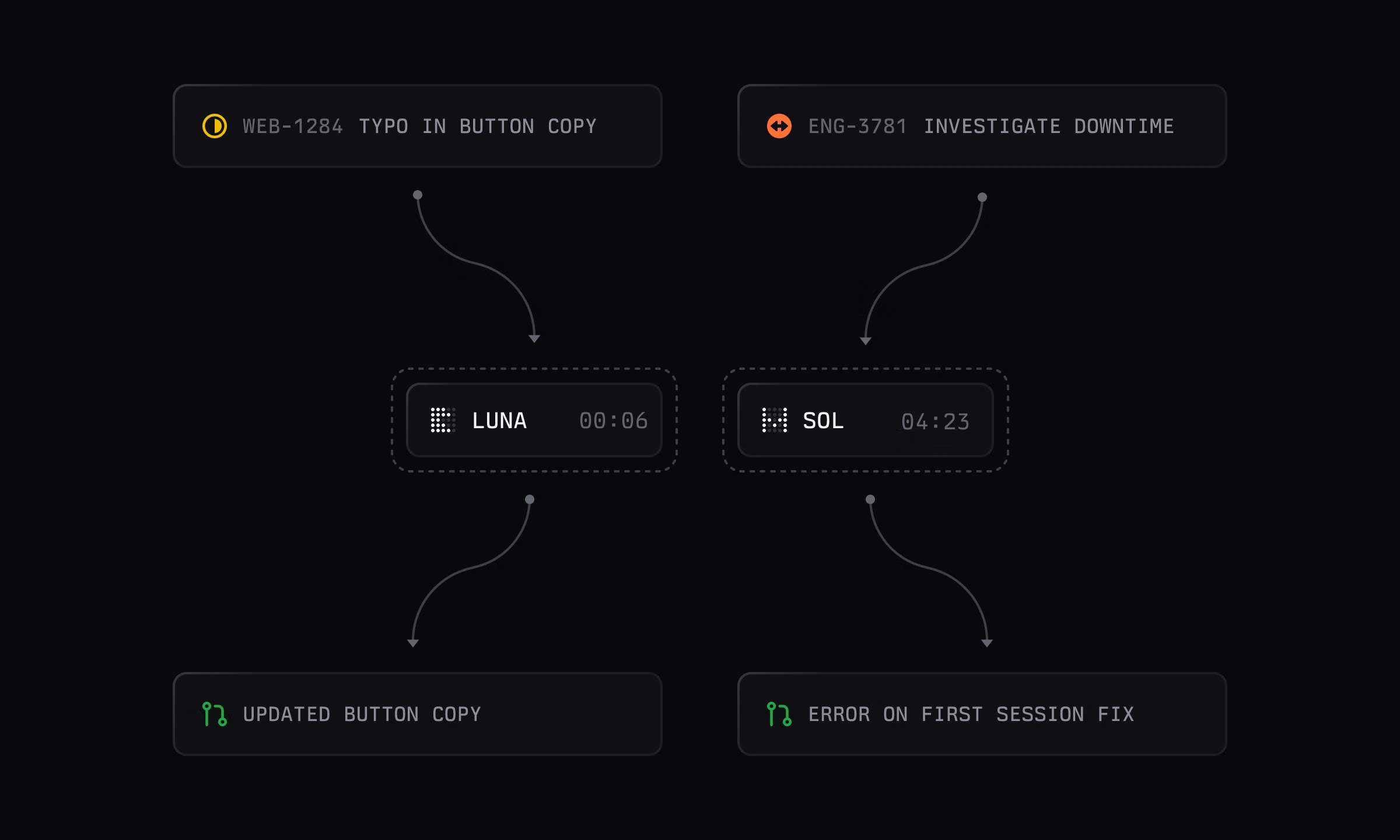
The New Stack writes that Laminar brings agent execution, sandboxing, observability and asynchronous workflows under one platform. Ramp keeps agent sessions separate from the sandboxes where code runs, with conversation history and execution state stored independently, so a sandbox can spin up and shut down without disrupting a session. Chase describes that sandbox-as-a-tool approach as a growing pattern, and says Deep Agents uses a similar design that keeps credentials and orchestration outside the sandbox.
A separate Connectors Service centralises authentication, credentials, access controls and tool execution behind a shared API. Chase says LangChain is building a comparable layer for its managed Deep Agents, so platform teams get one surface to manage access instead of implementing it inside every agent.
Why model choice carries the savings
Ramp did not want to be locked into one model provider. The New Stack reports that engineers were already combing through traces for unnecessary tool calls, bloated context and errors, and that existing observability tools made that harder than it had to be, so Ramp built its own debugging interface into Laminar.
LangChain, in a recent engineering post, described moving model selection into the harness of Open SWE, its open-source coding agent. A router sends the simplest work to GLM-5.3-Flash, intermediate tasks to GPT-5.6 Sol, and the most demanding to GPT-6 Astra. Across 973 agent threads, median cost per thread fell from $2.61 to $0.94, a 64 percent drop against using GPT-6 Astra for everything. Merged pull request rates were 29.2 percent for routed threads and 27.3 percent for the control group, a difference the post describes as not statistically significant. Ninety percent of requests went to the two cheaper tiers.
LangChain argues that routing works better inside the harness than at a generic LLM gateway, because the harness already knows the prompts, tools and domain context involved. Ramp was not part of that experiment, and The New Stack notes the numbers do not prove building a custom harness is cheaper than using an existing framework.
Kronick says agents generated all of Laminar's initial code, with experienced engineers guiding the architecture, which is one reason six weeks was possible. Maintaining a platform is another thing. Ramp still needs engineers to handle incidents, update the platform and support its product teams, and the company has not published operating-cost comparisons against competing platforms.
Source
- Ramp built an AI agent harness in six weeks by Amanda Caswell, The New Stack
- Building Laminar: Ramp's Managed Agents Platform by Sam Kronick, Ramp Engineering
This item was written by an AI system from the linked source. Reveneau is responsible for what it publishes.
Get AI News in your inbox
New developer tools, model and agent releases, and how teams are actually using them to release software. Short, and only when there is something worth reading.