AI NewsProductivityReported
SigNoz says AI handling easy incidents leaves SREs worse at hard ones
SigNoz argues the Ironies of Automation paper from 1983 explains what happens to SREs now that AI handles most incidents.
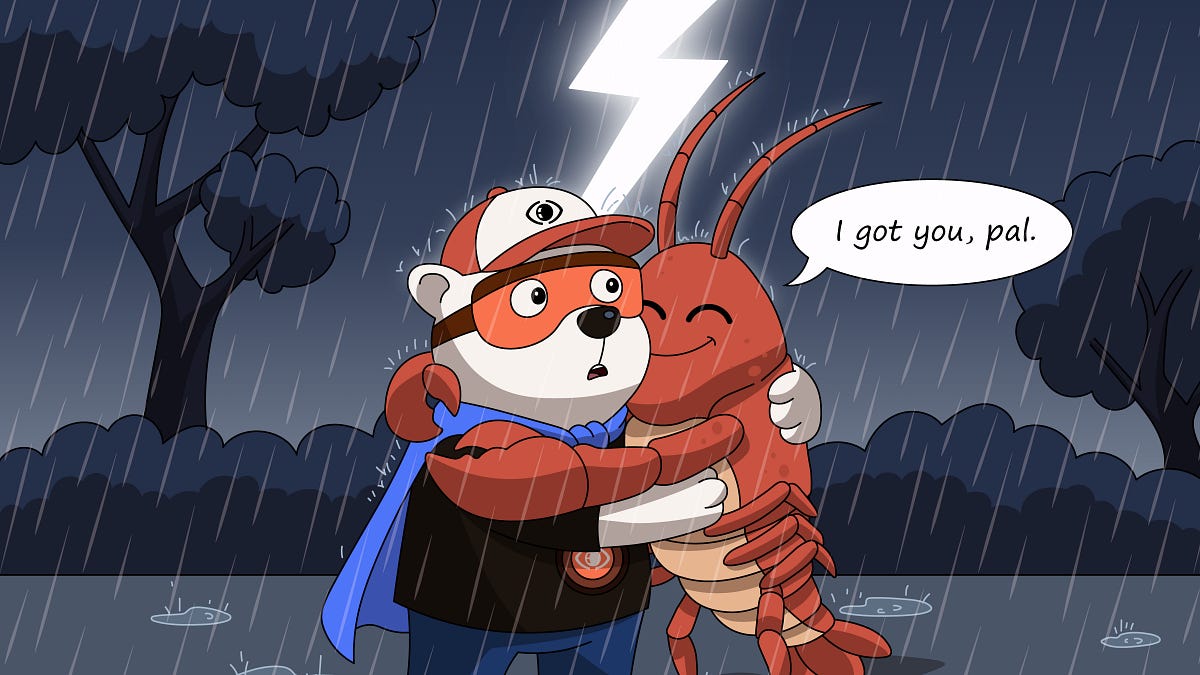
Image: SigNoz
Why it mattersSREs who only handle novel outages never build the pattern memory that makes a human useful during the next one.
Writing software is one job. Keeping it running is a different one. AI tools now handle most of the second job. What happens to the people who used to?
Elizabeth, writing on the SigNoz newsletter, says AI is quietly making site reliability engineers less capable. Her post reached 437 points on Hacker News. The question she asks is simple: when AI handles 95% of incidents, do you get worse at the 5% that matters?
The 1983 paper she reaches for
The post leans on Lisanne Bainbridge, a cognitive psychologist who published "Ironies of Automation" in 1983. SigNoz quotes the finding this way: the more you automate a process, the more critical the human operator becomes during the rare moments it fails. And the less practice they get, the worse they become at exactly those interventions. SigNoz writes that this now applies to knowledge work the way it applied to factory floors.
PagerDuty frames incident response in three tiers, SigNoz writes. Tier 1 incidents are known issues with known fixes: fully automated. Tier 2 are partially understood problems: AI suggests, humans approve. Tier 3 are novel cascading failures: humans lead, AI assists. The question SigNoz asks is simple. Where does tier 3 skill come from if humans never handle tier 1 and tier 2?
Two measurements the post cites
SigNoz cites a study on endoscopists who used AI to find polyps. Their unassisted detection rate dropped from 28% to 22% after a period of AI use. SigNoz says they got worse at the task they were expert in, because they stopped practising it.
The post also cites aviation research. SigNoz writes that long-haul pilots who rely on autopilot show measurable loss of situational awareness and manual flying ability. The FAA now mandates manual flying time to work against the effect. The source links from the SigNoz piece point to each study.
SigNoz coins a second term: never-skilling. Deskilling means a person had a skill and lost it. Never-skilling means a junior who enters the field today never develops it. The AI handles every tier 1 and tier 2 incident. SigNoz calls this a broken training pipeline.
The author names what SREs are at risk of giving up: reading raw log streams, forming hypotheses during an incident, and building a mental model of system architecture. Each one looks like a productivity win on its own. Together, SigNoz writes, they hollow out the expertise that makes an SRE useful when the AI runs out of answers.
SigNoz suggests two fixes. First, deliberate inefficiency: pick some incidents the AI could handle and give them to a human to work through. The FAA does this with pilots. Second, build for human-in-the-loop, not human-on-the-side: a human who engages with the problem alongside AI stays sharp. A human who only approves AI recommendations does not. The post comes from the SigNoz team. They build an open-source observability platform. The argument shapes how they design their own AI assistant.
The same question applies past SRE. A software team now uses AI to review every pull request, write every test and triage every bug. The team has to ask the same thing. Where does the next senior engineer come from.
Source
AI Isn't Replacing SREs. It's Deskilling Them. by Elizabeth, SigNoz. Hacker News discussion with 437 points.
This item was written by an AI system from the linked source. Reveneau is responsible for what it publishes.
Get AI News in your inbox
New developer tools, model and agent releases, and how teams are actually using them to release software. Short, and only when there is something worth reading.