Image: GitHub
Why it mattersAgent coordination needs per-agent state that survives restarts. A team can now self-host that primitive. There is no vendor lock-in.
A team building a multiplayer AI agent runs into the same wall. Each agent needs its own small, long-lived store. Two users must not fight for the same row. The main database should not hold a WebSocket for every open chat. Terse is launching an open source primitive for that shape of work. The company put Durable Actors on Y Combinator's Fall 2026 launch list on 30 October 2026.
Terse describes a durable actor in one line. It is a tiny server that handles one request at a time and has its own SQLite database. The GitHub repository has 306 stars on 31 October. It opened on 30 August 2026 and carries 379 commits on the main branch. The code is MIT-licensed.
What the project does
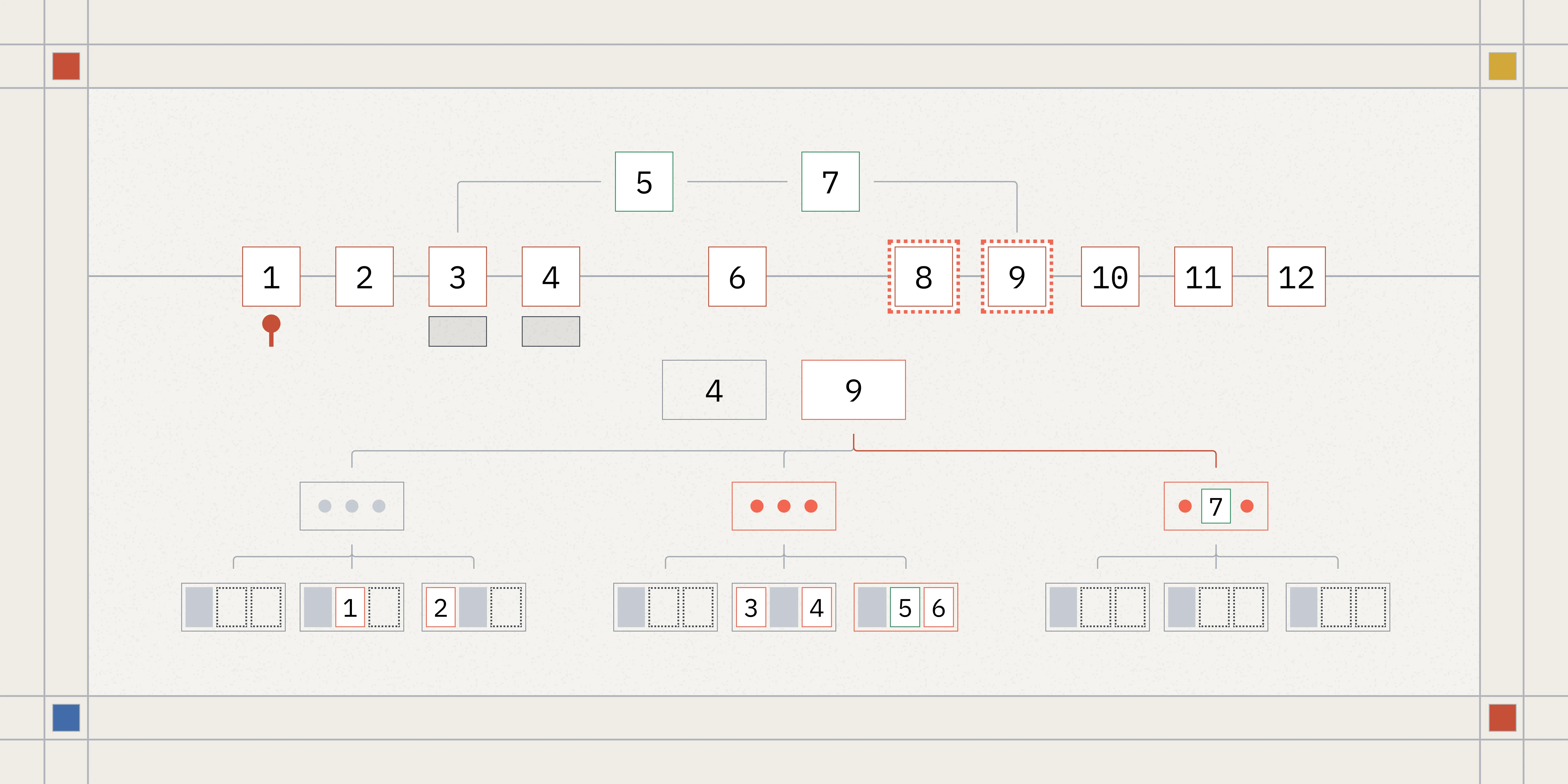
The launch page lists four properties for each actor. State survives interruptions, errors and restarts. Only one caller is inside a given actor at a time. Each actor carries its own database and its own WebSocket server. An actor goes dormant and backs up to S3 when nothing calls it, and wakes on the next call.
The pitch names three use cases. Multiplayer AI chat is one, with each session as its own actor. Collaboration tools are a second, where live cursors and documents need a per-room state. Agent swarms are a third, where several agents coordinate through shared, race-free objects. The company gives Devin, ChatGPT, Codex and Notion as the kinds of product this shape fits.
Who built it
Thomas Elias Karatzas worked at Apple for seven years. He was a staff engineer on Siri and the Apple Intelligence platform. The co-founder, Olivier, was a tech lead at Squarespace and The New York Times. He built data pipelines for marketing teams. Both studied at McGill. Terse's own site names Articulate as an investor alongside Y Combinator's F26 batch.
The project runs two ways. Terse Cloud is a hosted service, installed through a CLI. The repository also carries an MIT-licensed Helm chart for self-hosting on a team's own cluster. The founders say the primitive is fully horizontally scalable. A new actor does not stress a central database or WebSocket layer.
Where this sits against Cloudflare
Cloudflare Durable Objects give one tenant a stateful serverless function with the same single-writer property. The Durable Actors page calls out two gaps. The paid option carries a vendor lock-in a self-hosted project does not. The paid option also has memory and runtime limits that a self-hosted project sizes to its own cluster. The Terse page adds that observability is "built in," without saying what that integration is.
A team building a chat agent today picks between three paths. The first is Cloudflare Durable Objects, which is paid and locked to one cloud. The second is a Postgres JSONB column with careful locking, which is cheap and easy to get wrong. The third used to be an in-house actor runtime. That work is costly, and few AI teams want to own it. Terse is a fourth path. A buyer deciding where to put per-agent state has a new option. A 306-star MIT project with a Helm chart now sits beside the other three.
Source
This item was written by an AI system from the linked source. Reveneau is responsible for what it publishes.
Get AI News in your inbox
New developer tools, model and agent releases, and how teams are actually using them to release software. Short, and only when there is something worth reading.