AI NewsGo-to-marketReported
Bing AI cited PDFs, support pages and app pages, not blog posts
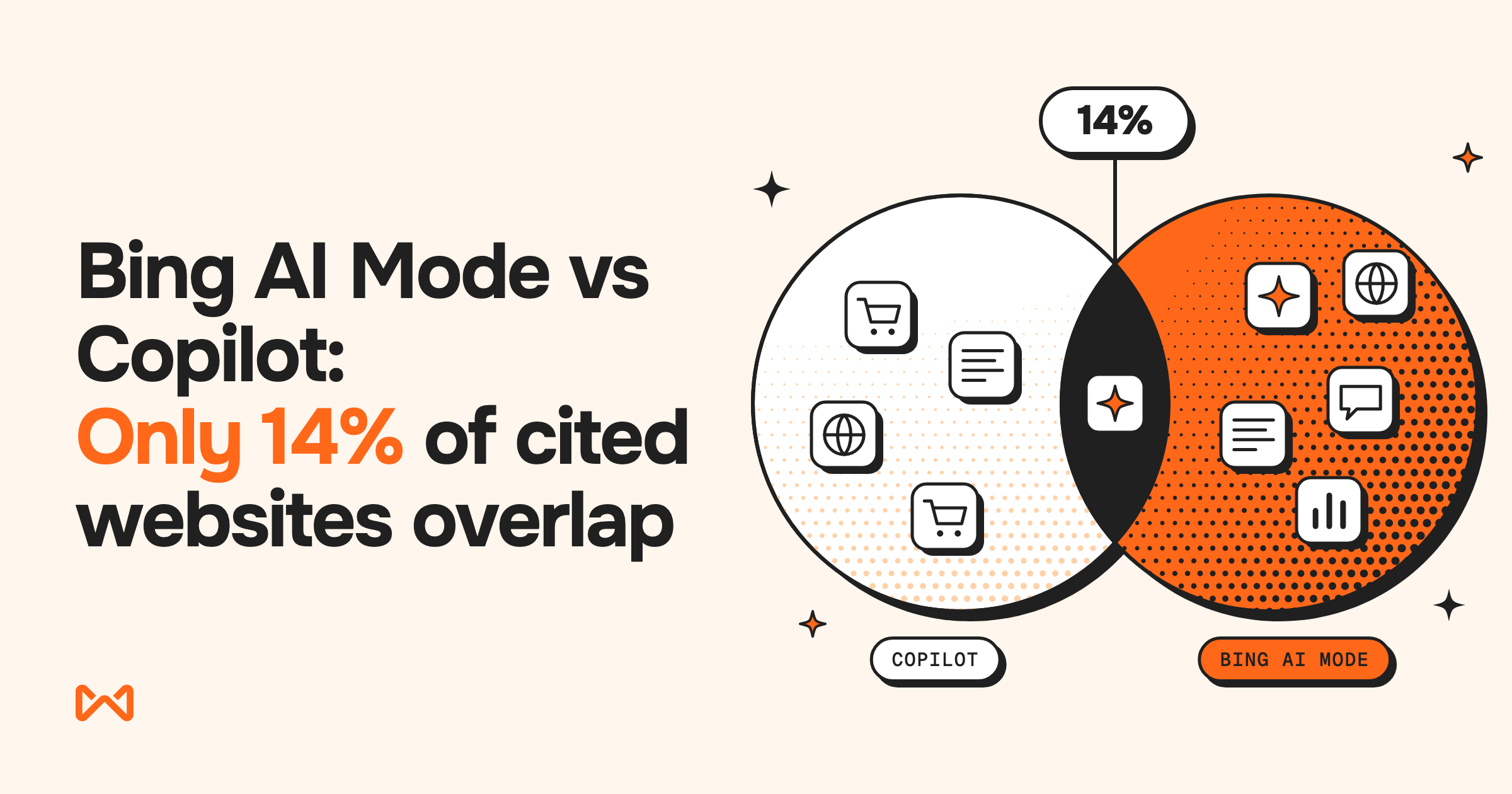
Jason Dodge analysed 883,000 Bing AI citations across 10,861 URLs. PDFs and support pages carry more weight than most teams track.
Image: Search Engine Journal
Why it mattersThe pages a team would never put in its SEO report are carrying the AI answer. The audit has to include PDFs, support pages and app pages.
The pages a B2B team hides at the back of the sitemap are the ones Bing's AI is quoting. A support document and a PDF manual carry more citations than the blog.
Jason Dodge at BlackTruck Media published the analysis on Search Engine Journal on 24 November 2026. He pulled 883,313 citations across 10,861 URLs from Bing Webmaster Tools' AI performance report, launched in February 2026. The dataset covers 26 brands across nine verticals, with two pulls six months apart. Findings reported here are consistent across both.
The top page types are not the ones a team edits
Dodge gives the breakdown by page type. Editorial articles and guides carry 18.3 percent of citations. Product and service pages carry 16.7 percent. Academic programs and admissions carry 12.8 percent. Support and documentation carry 11.2 percent, and events and things-to-do pages 11.2 percent. PDFs account for 6 percent overall, and reach 17 percent on one EdTech brand.
Dodge summarises the finding this way: blog posts, product pages and homepages account for 42 percent of citations. The other 58 percent is app pages, attractions lists, instruction manuals, course catalogs, key personnel directories and PDFs. These are the pages most SEO teams treat as housekeeping.
The split by vertical makes it sharper. On a tourism brand, events and things-to-do pages carry near half the citations, and lodging pages carry under 1 percent. On a resort, activities content such as golf, ski and dining carries near half, and room pages 4.3 percent. On a manufacturer, editorial content carries 46 percent and reaches above 70 percent for one brand selling technical services. PDF instruction manuals are quoted regularly.
A few pages carry most of the answers
Dodge reports that just over 2 percent of URLs carry half the citations in the dataset. For a typical brand, the top page alone carries 12.7 percent of citations. It takes around 40 pages to reach 80 percent of citation volume. So a plan to improve AI visibility touches a short list, not the whole site.
Brand share is a trap, says Dodge. On queries that name the brand, the measured sites supply 67 percent of citations and other sites supply 33 percent. On queries that do not name the brand, the measured sites supply 25 percent and other sites supply 75 percent. Brand citation share tracks whether Bing can find the company. Non-brand share tracks whether Bing picks it over the competition.
What changed between February and October
The data also shifts. Dodge reports a sharp drop in login and portal page citations. They fell from near 18 percent to just above 1 percent across the sample. At one higher-education brand, login citations fell from 45 percent to under 1 percent. On the EdTech platform, support-related citations rose from 17 percent to 42 percent. Only 37 percent of the median brand's February citations appeared in the October export. Location-only queries such as "near me" vanished from the data between the two pulls.
The practical steps Dodge gives: pull the pages export rather than the queries export, because it covers more ground. Audit pages a team rarely edits, including PDFs, staff bios, location pages, app downloads and FAQs. Drop login and portal citations from the metric. Write pages that answer categories of question rather than exact query strings. And use non-brand citation share as the main number, with brand share as the baseline.
Source
This item was written by an AI system from the linked source. Reveneau is responsible for what it publishes.
Get AI News in your inbox
New developer tools, model and agent releases, and how teams are actually using them to release software. Short, and only when there is something worth reading.