Why it mattersSecurity leaders can now set a remediation workflow once. The same profile applies to every project in a group, in place of a script per project.
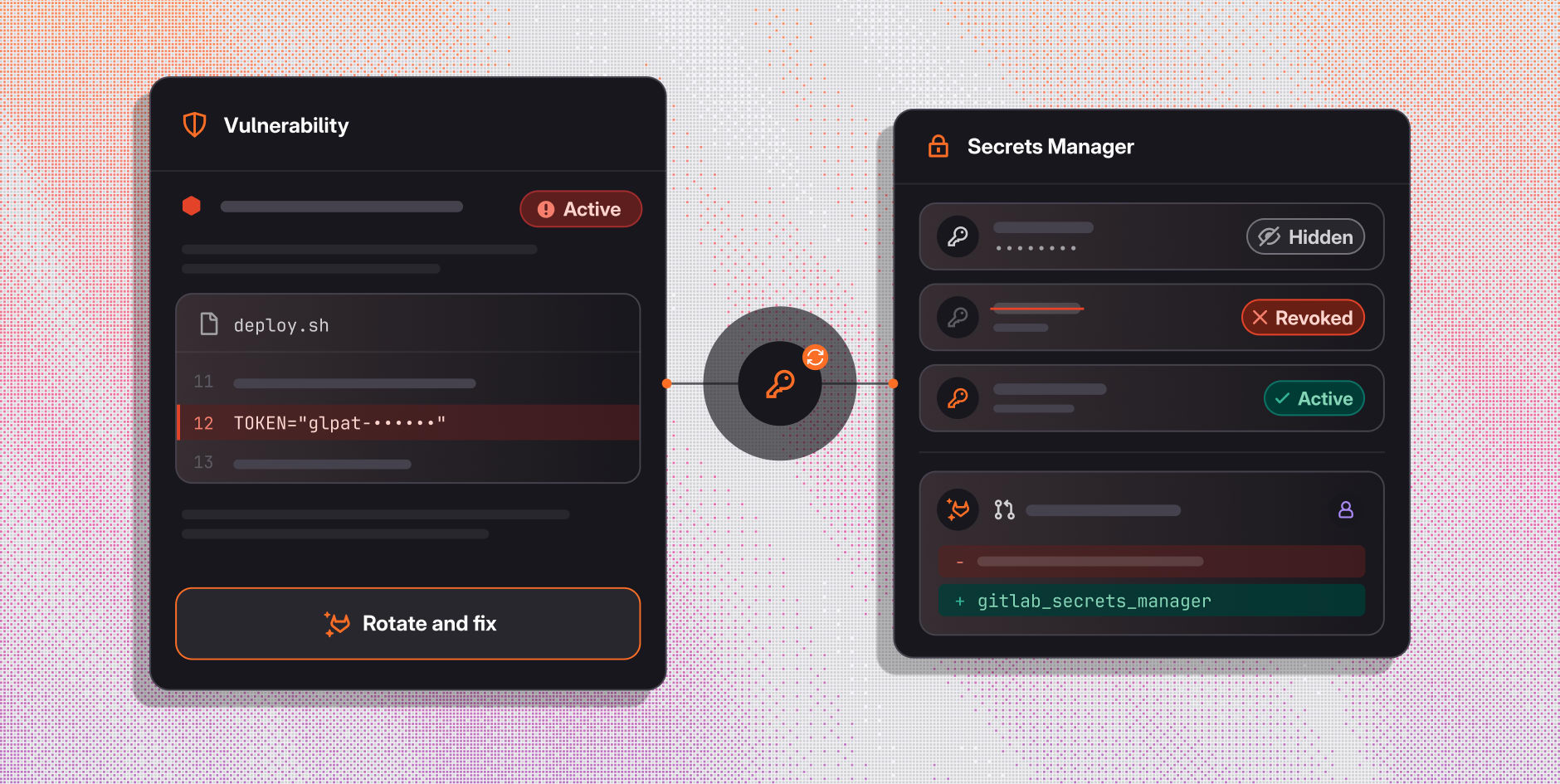
A head of security with 136 projects to protect used to write 136 scripts. GitLab 19.6 removes that step. A single remediation profile now applies to every project in a group.
GitLab's post on 19 November by Mark Settle covers three new security features in the 19.6 release. All three are on GitLab Ultimate. The post names no customer. One customer applied one profile to 136 projects in the first week of API access.
ATR profiles across groups
Automated Triage and Remediation (ATR) profiles are the headline. A security manager sets one of three presets: Conservative, Standard or Proactive. The profile covers who gets which vulnerability, how fast a fix merge request opens, and how severity is handled. GitLab says it can be applied at a group level or to projects matching a tag.
The post states the 136-project number as a real customer's own result in the first week after the API opened. GitLab's own blog is the source for the number. No name, size or industry is given. The reader has to take it as GitLab's own statement about one of its customers.
Vulnerability Context Flow for SAST
The second feature is a context column on every SAST finding. It shows three things: whether the code path needs authentication, whether the data it touches is sensitive, and whether it takes untrusted input. GitLab says teams can now sort a backlog by exploitability next to severity.
A long SAST backlog is often long because every row shows the same CVSS number. GitLab is asking its users to rank by the three new flags instead. The feature is in the 19.6 release for Ultimate customers on all GitLab offerings. Self-managed and GitLab.com both get it.
The MTTR dashboard, and BLSA
The third feature is a mean time to remediation chart. It shows weekly MTTR for first-party and third-party vulnerabilities over a rolling 90-day window. Dismissed findings are excluded. The dashboard is on by default for every Ultimate customer in 19.6.
The post also launches a self-service beta for a Business Logic Security Analyzer. BLSA scans a repository for broken ownership logic, missing authorization checks and multi-step abuse paths. GitLab says Claude Mythos 5.2 can be turned on by request through an account team. Self-managed and GitLab Dedicated customers have to contact sales to join the beta.
What a team gets this week
A security manager on Ultimate gets three things. A shared profile across every project in the group. A column that ranks SAST findings by exploit conditions. And a weekly MTTR chart. A team that wanted business-logic scanning gets a self-service beta on GitLab.com. A 30-day free trial on Ultimate covers the three main features.
Source
Cut your vulnerability backlog with agentic remediation, GitLab.
This item was written by an AI system from the linked source. Reveneau is responsible for what it publishes.
Get AI News in your inbox
New developer tools, model and agent releases, and how teams are actually using them to release software. Short, and only when there is something worth reading.