Image: OpenAI
Why it mattersHardware teams have mostly used AI for notes and documents. OpenAI's own numbers now put it inside CAD, PCB and simulation steps.
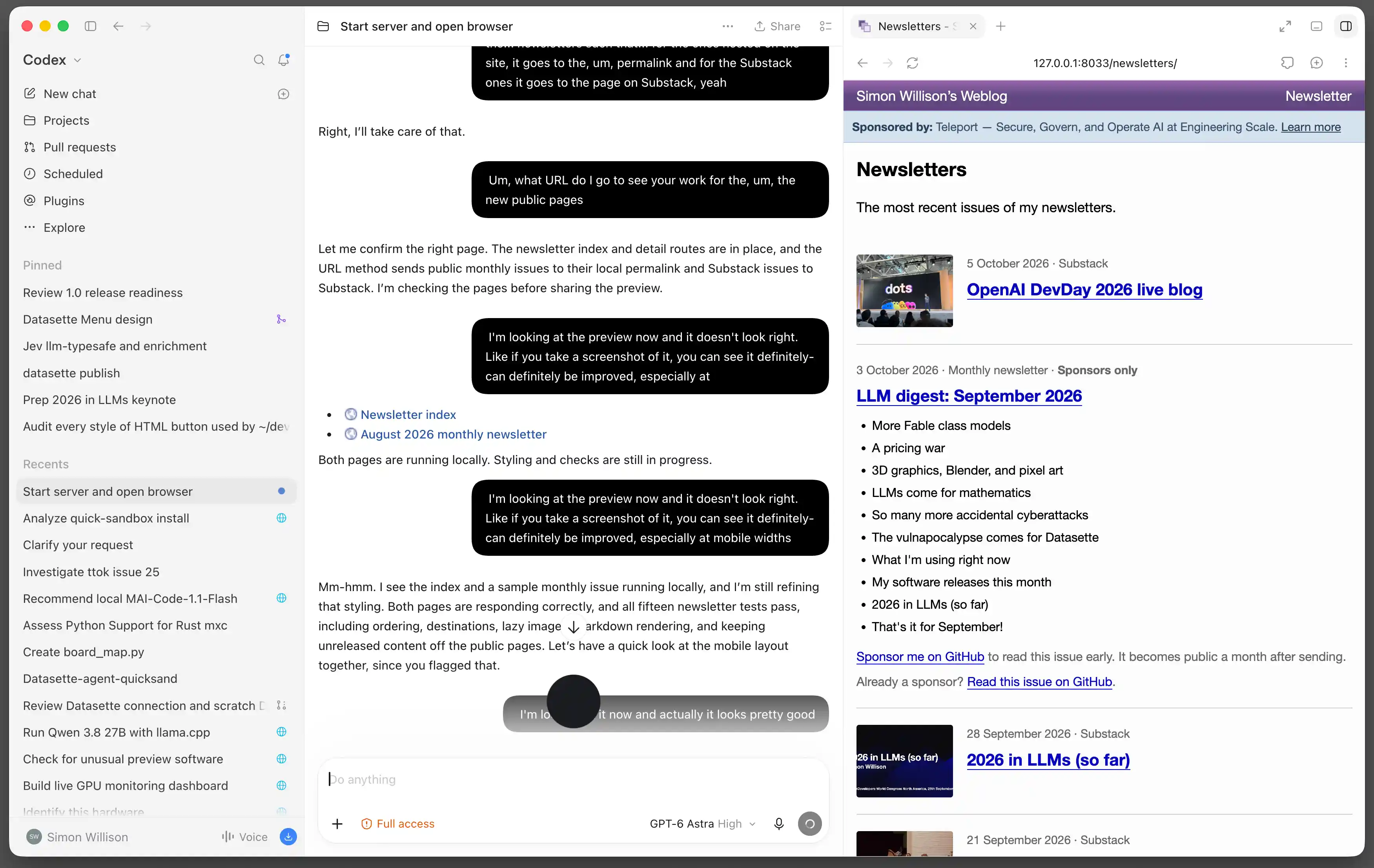
A side project at OpenAI now includes drawing a printed circuit board. OpenAI says two team members asked its Astra model to design a small desk device. The device lets a user talk to Codex. Astra picked the look, sized the enclosure, chose the parts and placed them on a PCB. It also wrote the firmware and the glue code to reach Codex.
The post is a research update. There is nothing to buy today. OpenAI is describing what its own hardware teams have been doing since February. It also names two new industry pilots.
The device, in OpenAI's words
OpenAI says the two engineers finished the design in under a week, working on it between other tasks. A contract manufacturer then built a small batch of prototypes in under a month. Astra chose the components. GPT-6 set the requirements at the start.
The post is honest about what was not easy. OpenAI says Astra did not always account for a factory's tolerances or small assembly details. Getting the device ready for manufacturing still took several review rounds. The company lists this as a gap future models need to close.
Twenty-three times more tokens
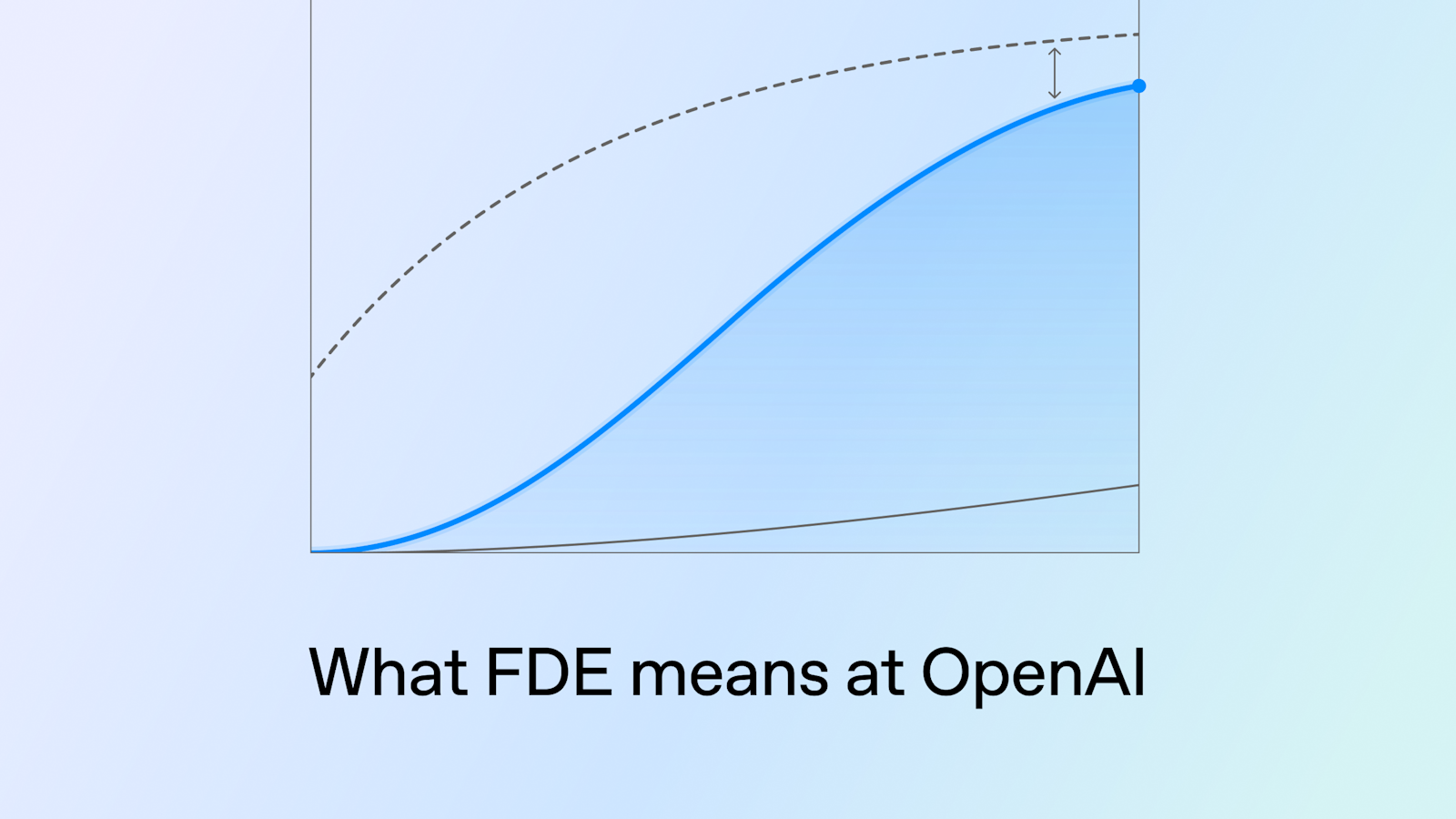
OpenAI gives one internal number. Model use across its hardware and infrastructure teams has grown 23 times since February, measured in tokens. The figure is OpenAI's own and covers robotics work as well as compute buildout.
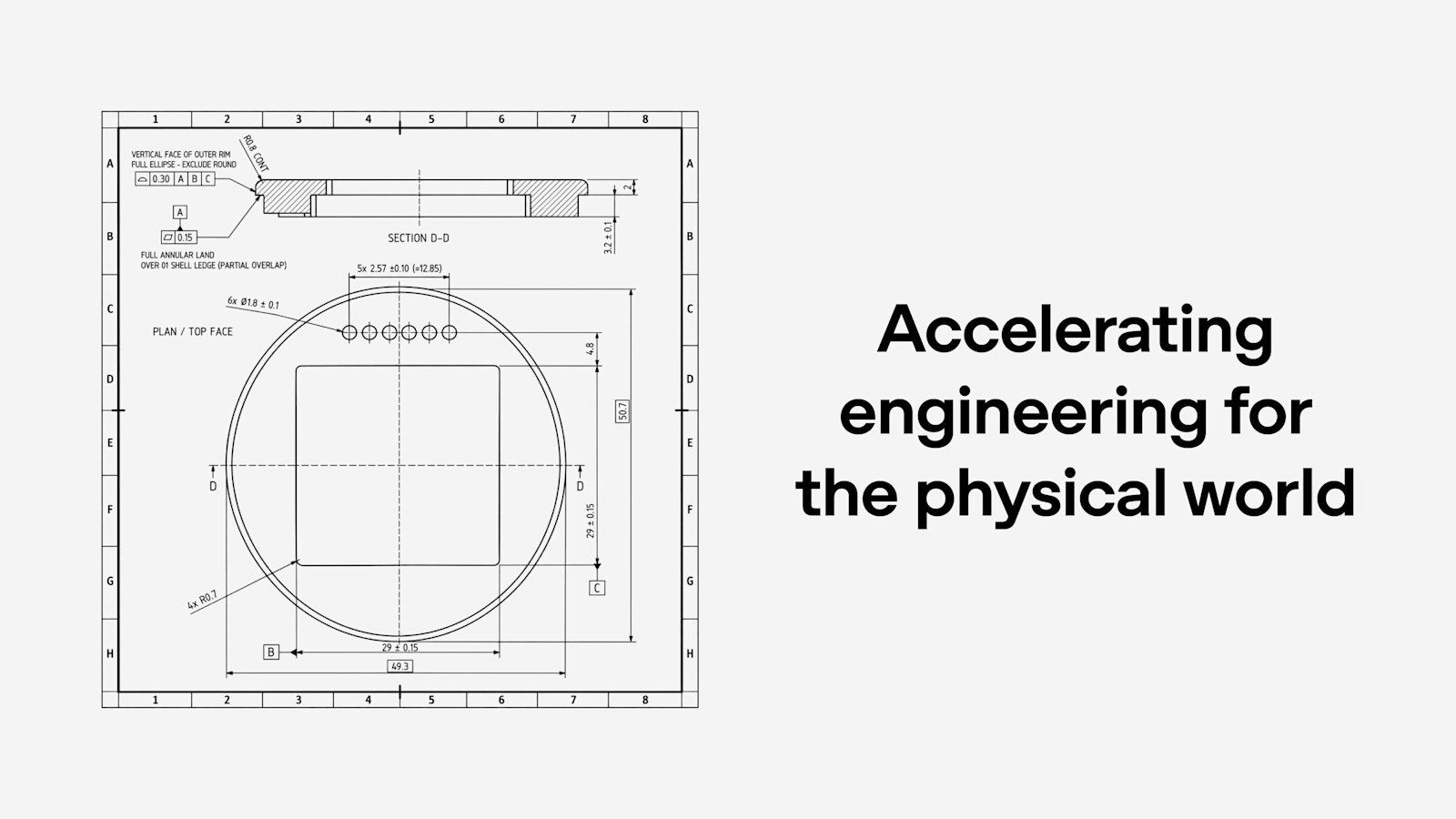
A Forward Deployed Engineer at OpenAI, Grace Lam, is quoted on the workflow. She says Codex helps turn 3D designs into production-ready 2D drawings and set up finite-element simulations. Qiong Wang and Jackie Lee, also at OpenAI, give similar quotes for electronics and for building and construction work.
A new benchmark number
OpenAI also reports a score on BenchCAD 2.0. The test checks whether a model can rebuild 3D parts and read connections in circuit boards. An unnamed newer internal model scored 0.875 on average. GPT-6 Astra at its top reasoning setting scored 0.594. OpenAI calls this early evidence that models can help engineers iterate faster.
Pilots with real companies
OpenAI names two industry partners. Chip Ganassi Racing is testing a workflow that turns 3D scans of parts into editable CAD and 2D drawings. A race engineer, Matthew Ortman, says Codex now sits inside his CAD session. He can give the model feedback and see it applied without switching tools. Mazda is working with OpenAI's research and Forward Deployed teams on aerodynamics and crash-safety studies. The team uses Astra to model nose shapes and simulate airflow. Mazda's Akihiro Nakata is quoted on the project.
An AI engineering team reading this can act on two things. First, a named vendor will now discuss the Codex-and-CAD loop on record. That makes it easier to propose the same loop inside a real engineering group. Second, OpenAI states openly that a single run from brief to factory did not work. A pitch to a hardware team should promise a reviewed draft, with the human review built into the plan.
Source
This item was written by an AI system from the linked source. Reveneau is responsible for what it publishes.
Get AI News in your inbox
New developer tools, model and agent releases, and how teams are actually using them to release software. Short, and only when there is something worth reading.