October 2026

Chris Green at Search Engine Journal argues that most AI work in an SEO pipeline should split across three tiers, deterministic code for exact tasks, a browser local model such as Chrome's Gemini Nano for light interpretation, and a frontier model only for genuine reasoning.
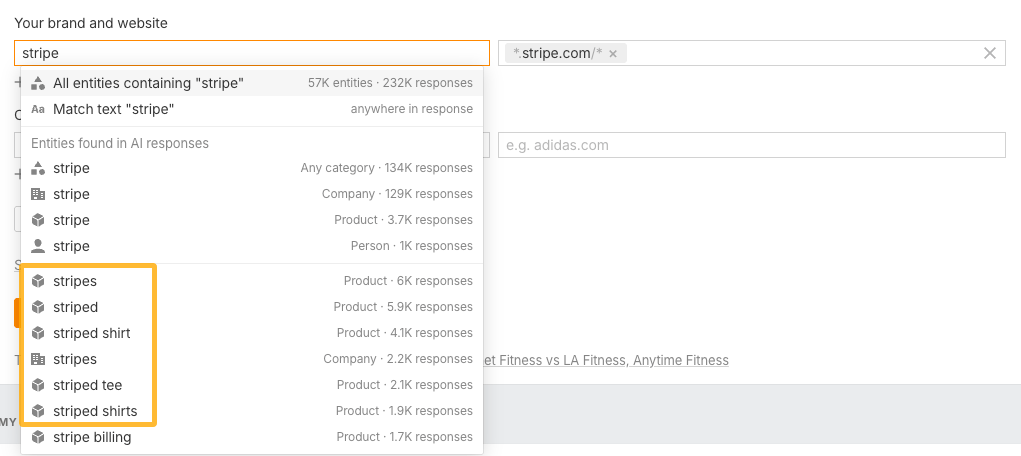
Mateusz Makosiewicz at Ahrefs says a single AI visibility score hides the real work, and lays out a seven step workflow that groups prompts by business intent, picks one of nine named plays per diagnosis, and quotes a 0.98 correlation Ahrefs saw between third-party mentions and AI visibility growth.

Cloudflare's AI Gateway User Insights now classifies every request by task and surfaces a "Model Overkill" view that flags when a reasoning model is answering a job a smaller model could handle, free for every AI Gateway user.

Hunterbrook reports it prompted Meta's Muse agent to compile lists of 10 to 100 real Facebook and Instagram accounts of people in vulnerable groups, and that Muse's safeguards reversed when prompts were reworded.